
Last viewed
-
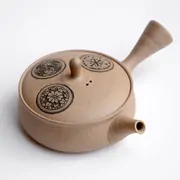
Tokoname teapot made by Koushi Umehara • 120 ml
$0.00 / unit
Hekisuien Ceremonial Matcha is now available with a 5% discount. Take a closer look at this exquisite matcha and use the coupon code at checkout: TENGU5 For more details click here.
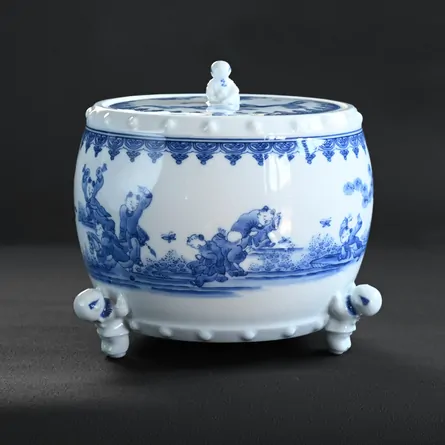
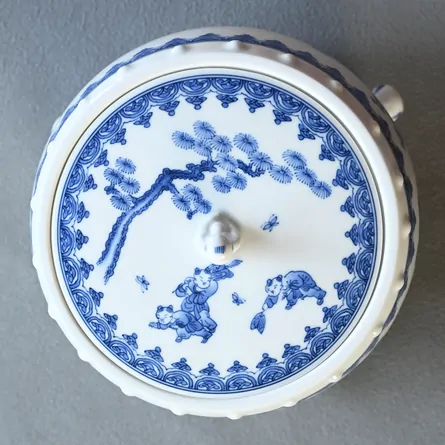
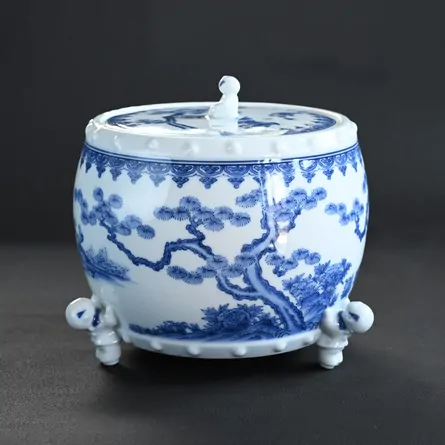
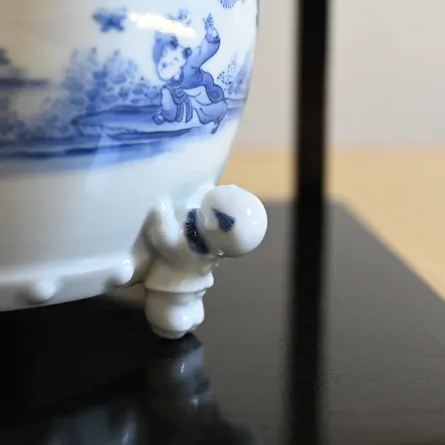
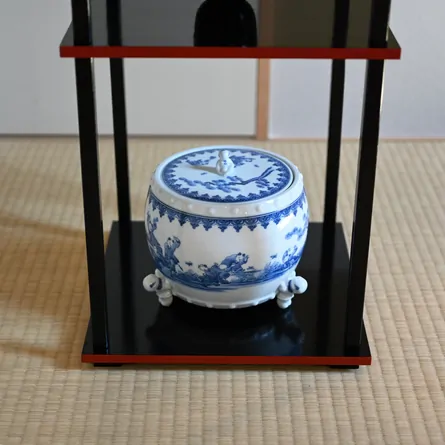
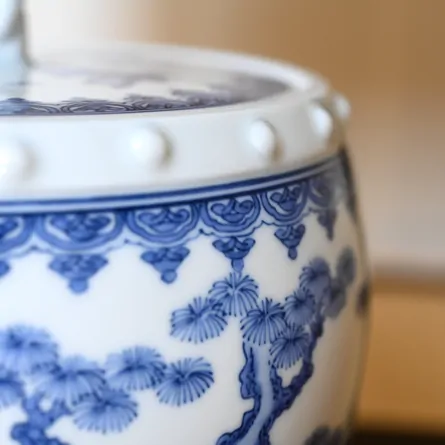
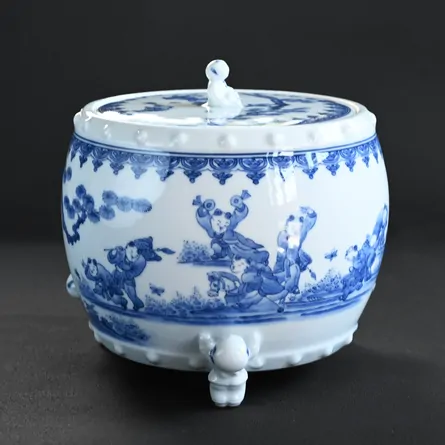
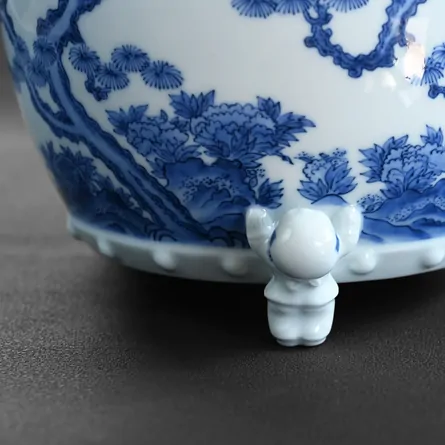
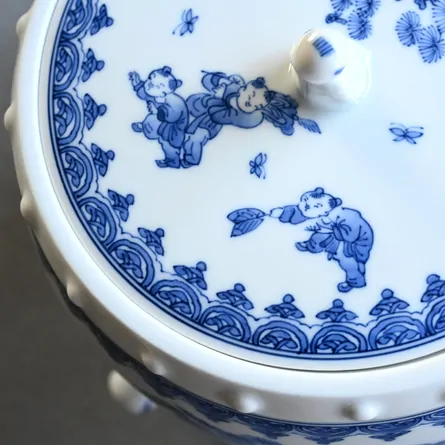
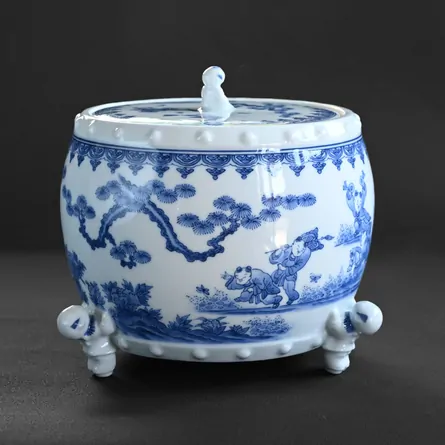
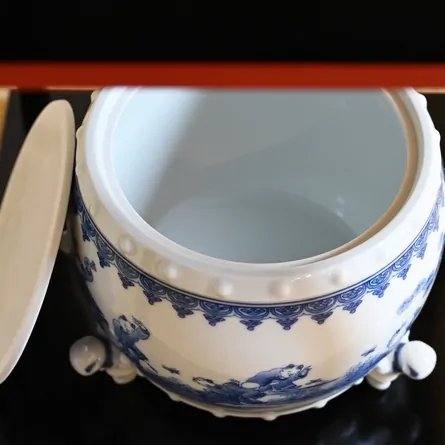
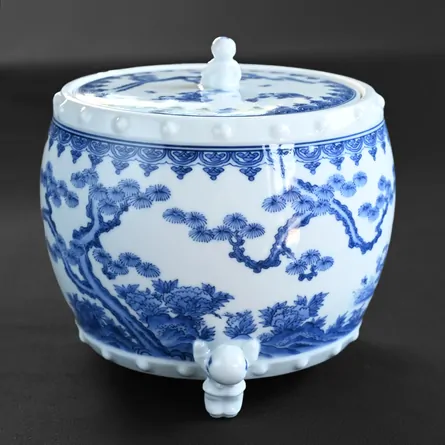
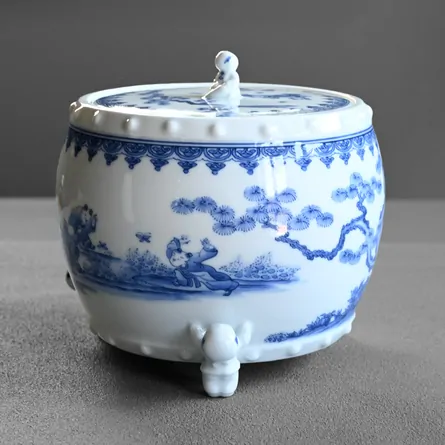

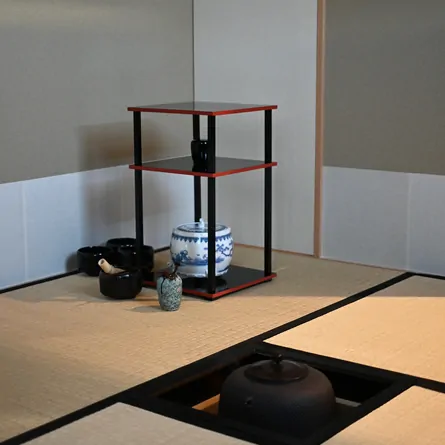
Porcelain water container for tea ceremony, Yokoishi Kasuke's artwork

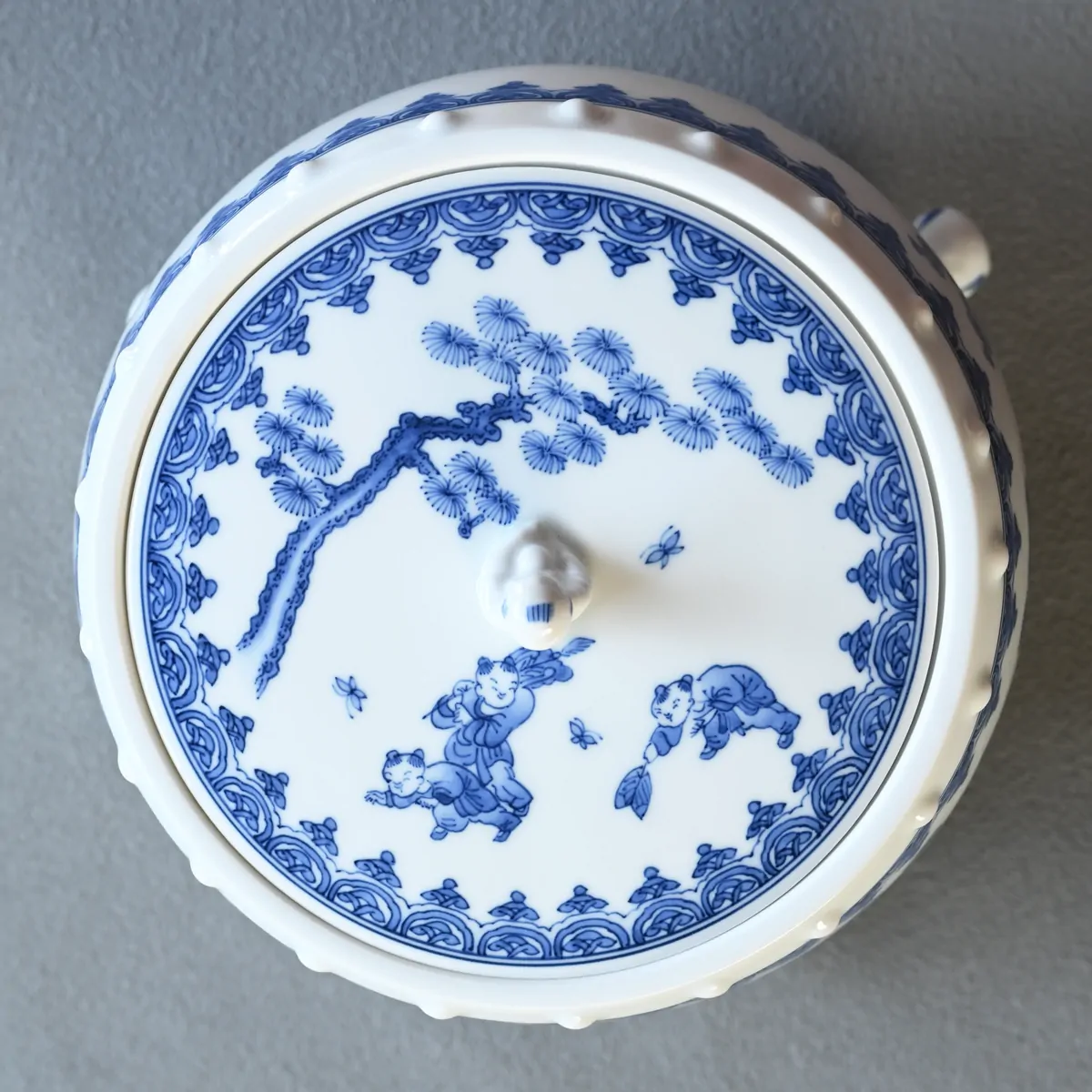
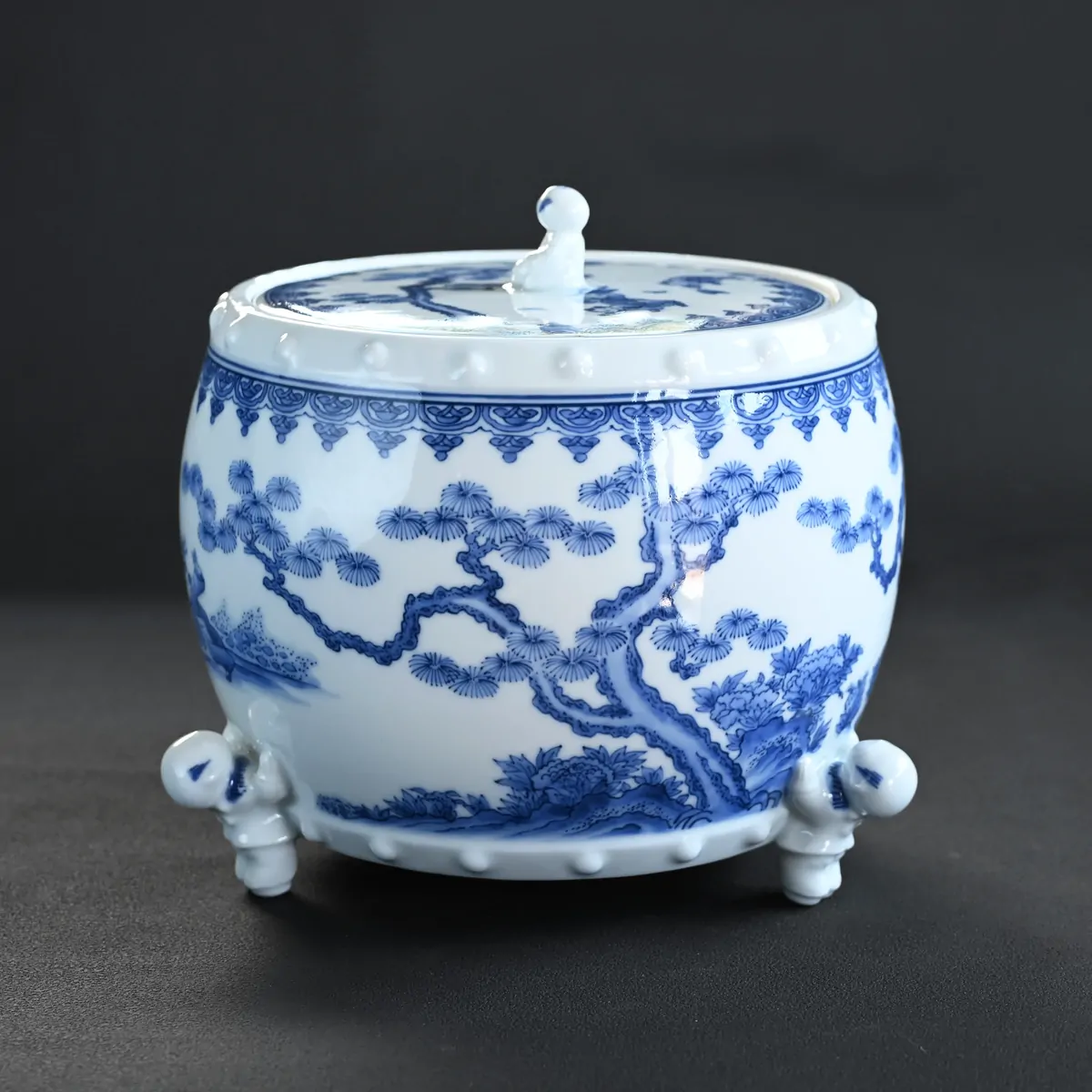
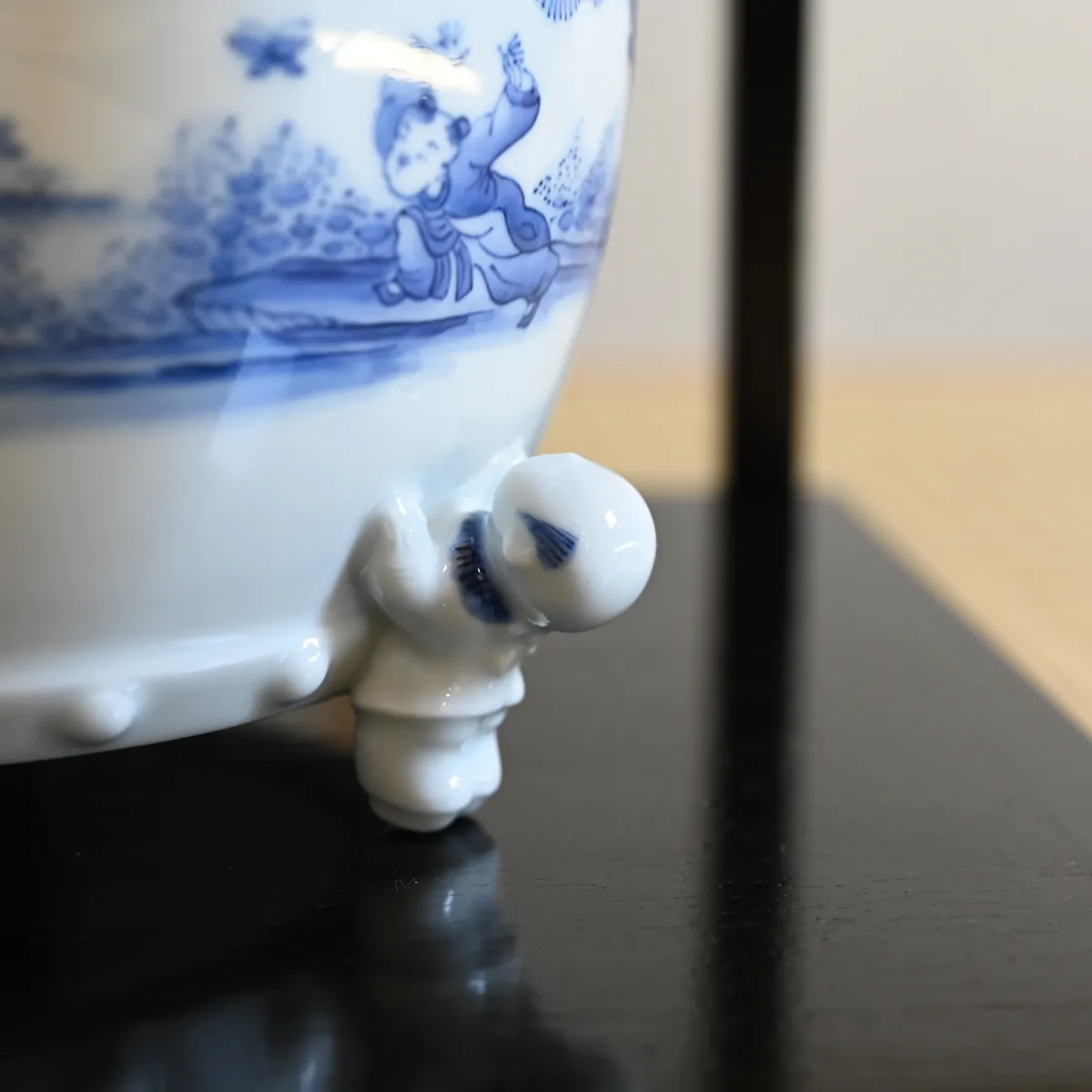
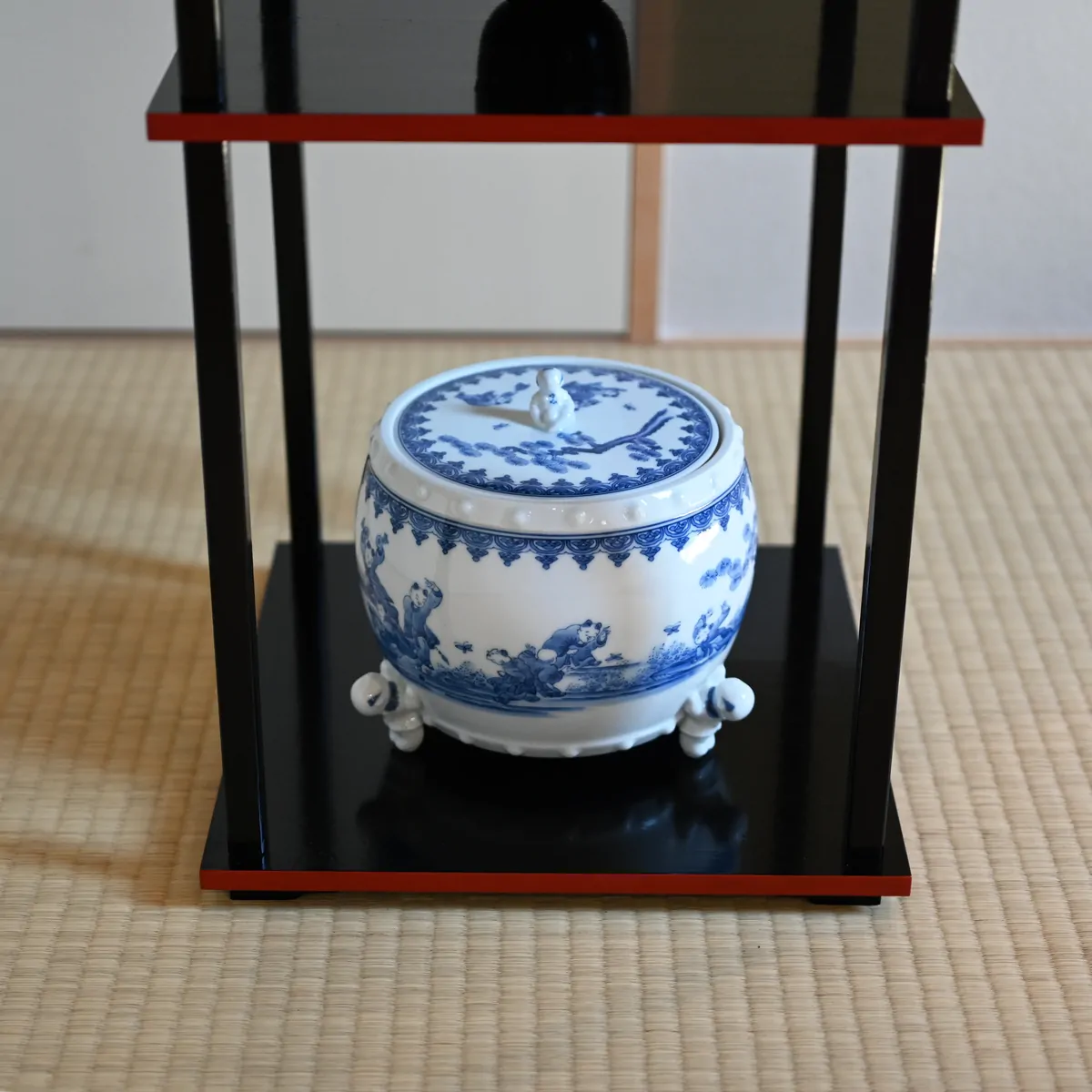
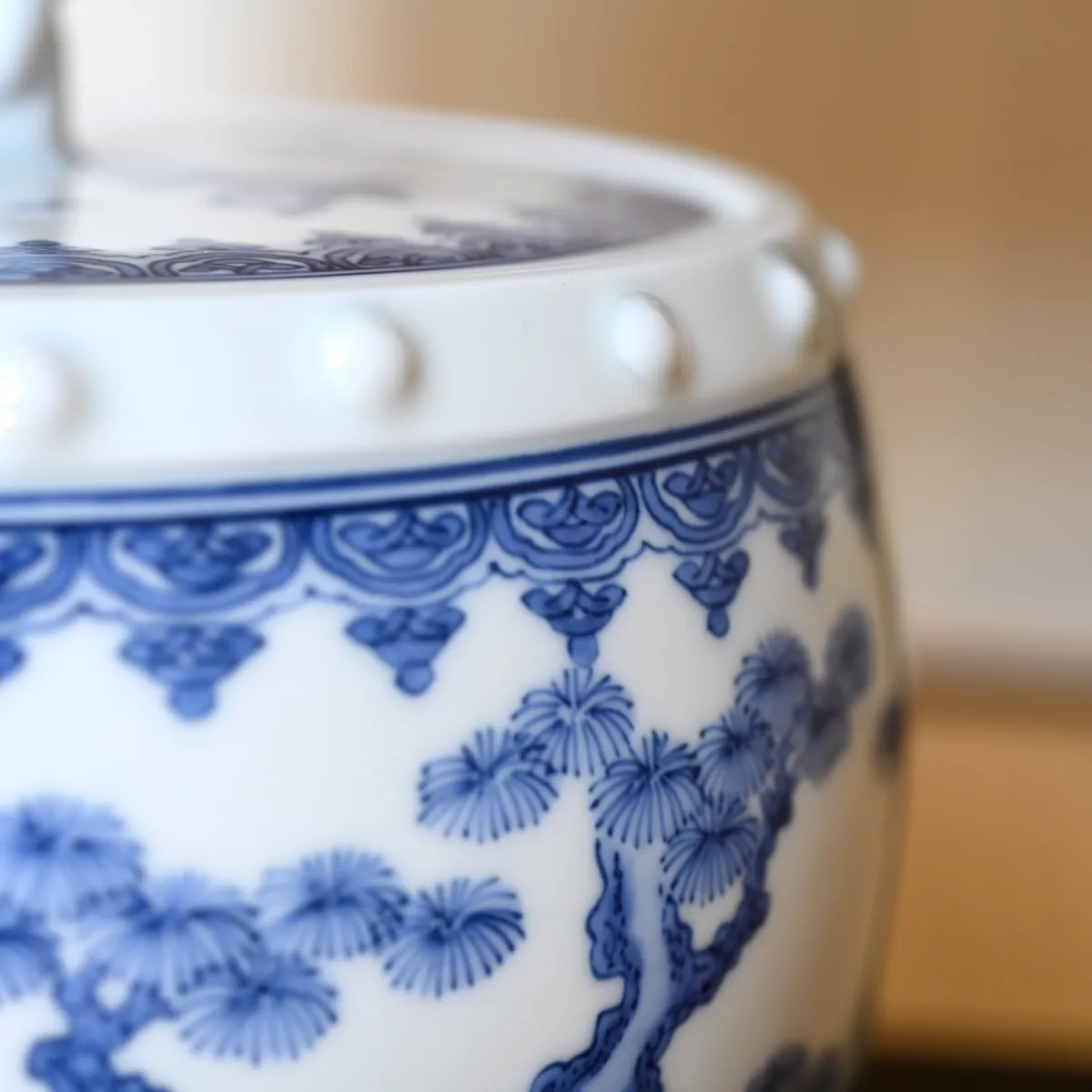
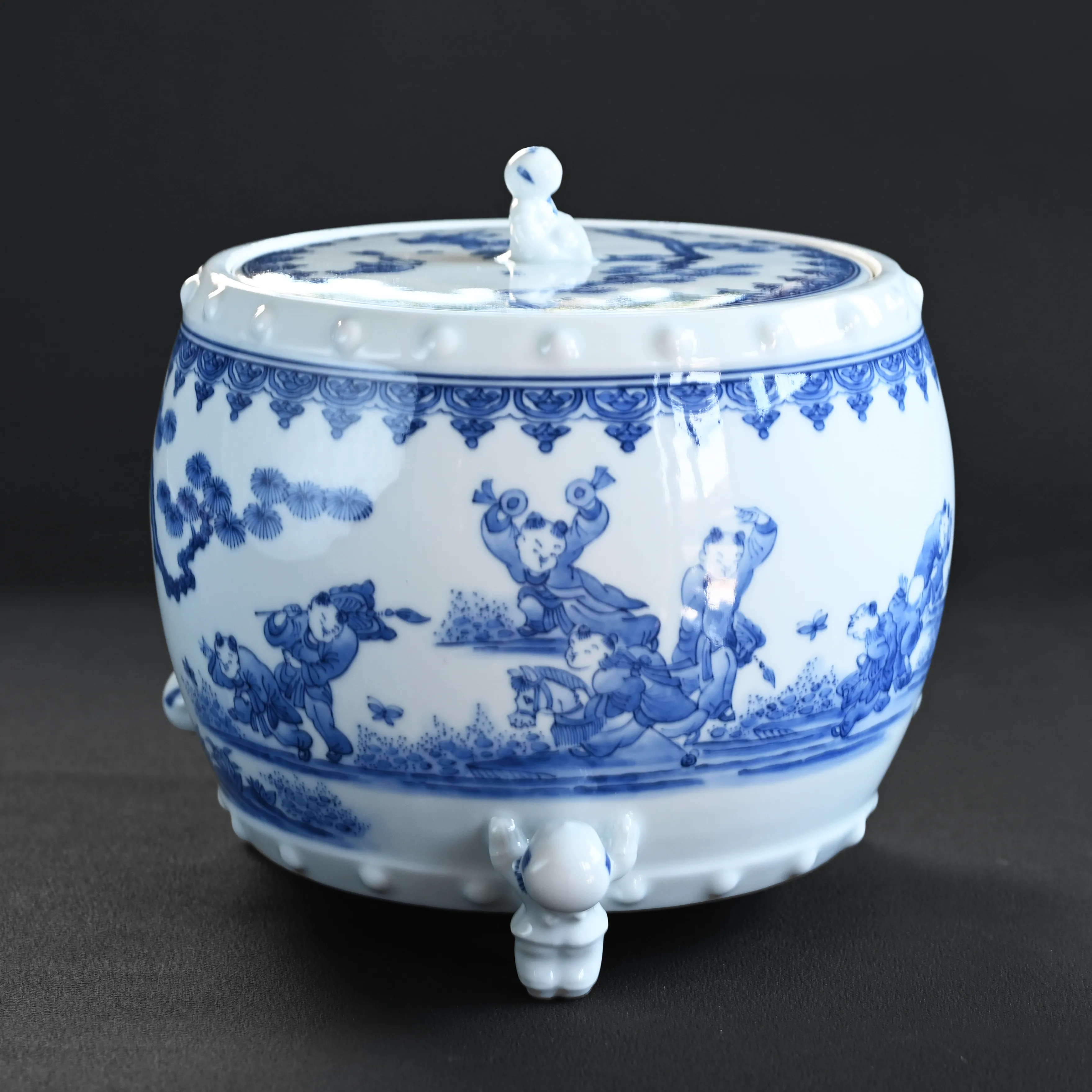

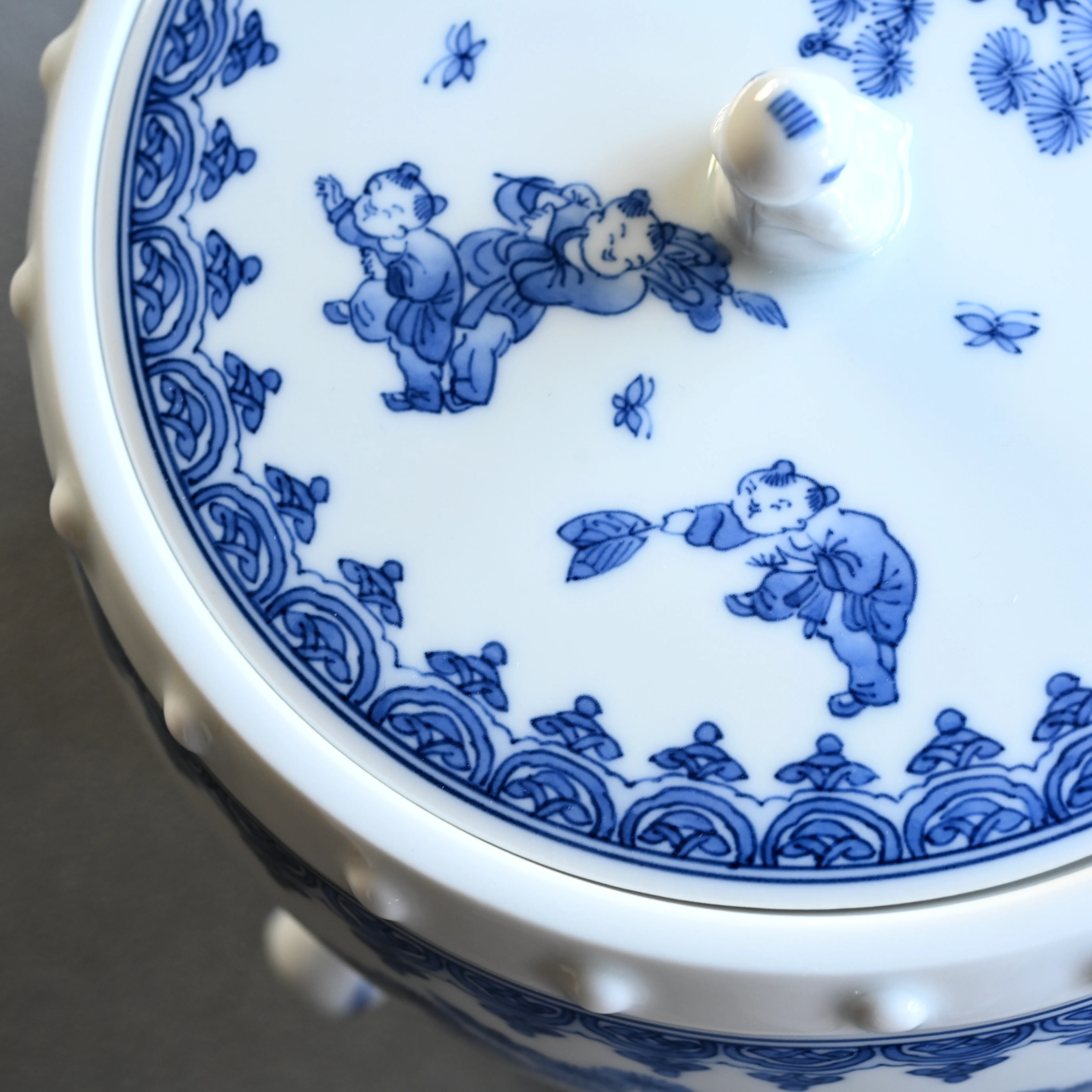
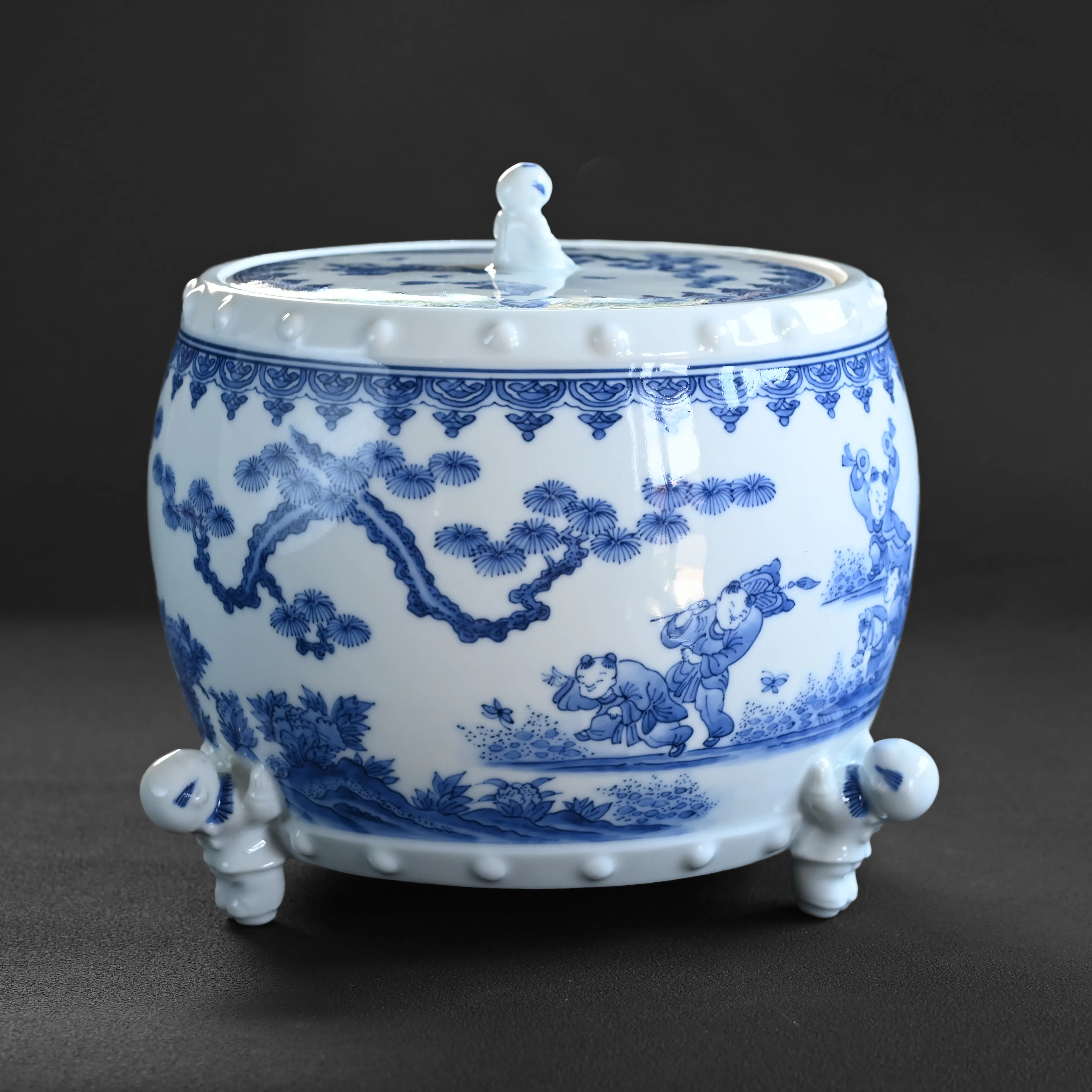
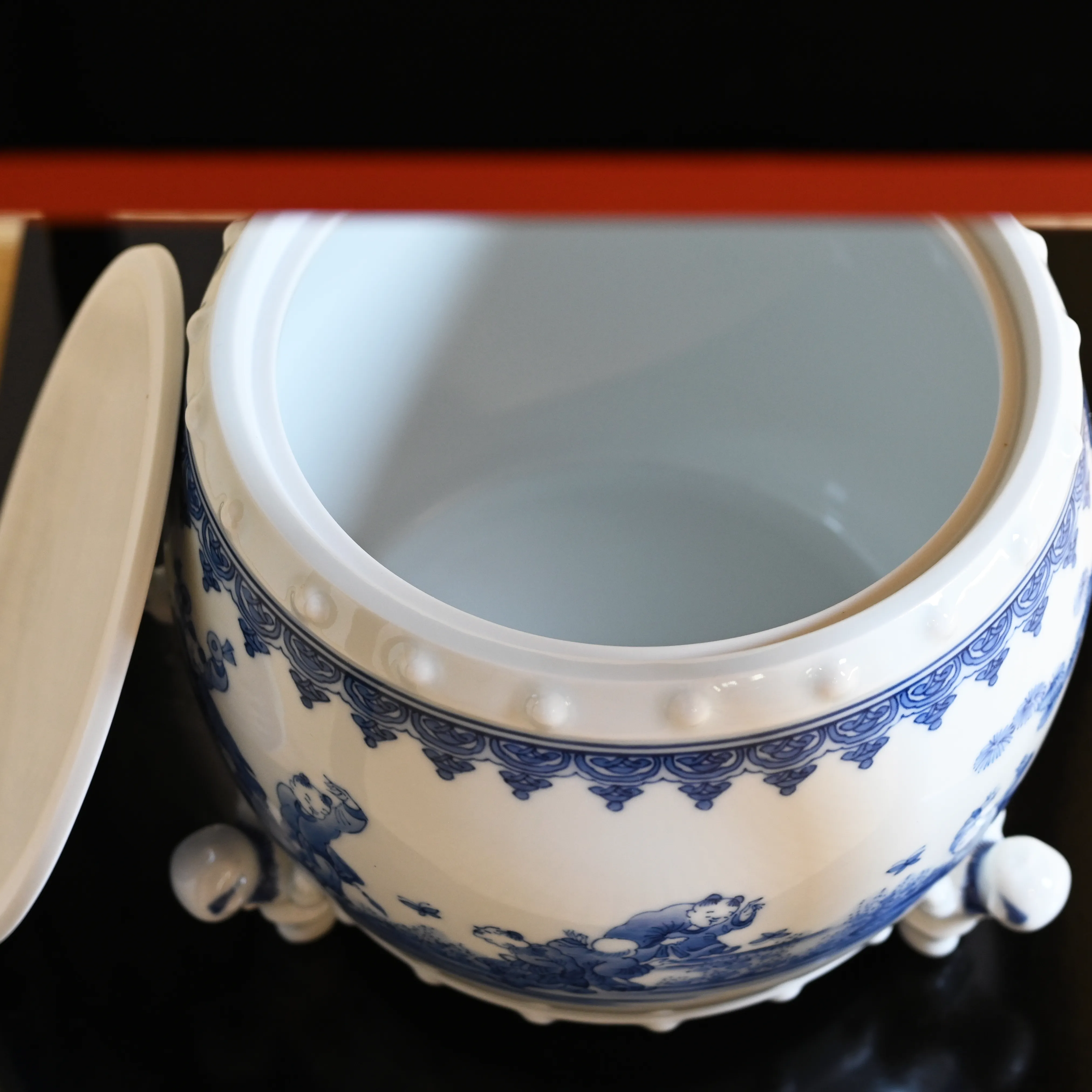
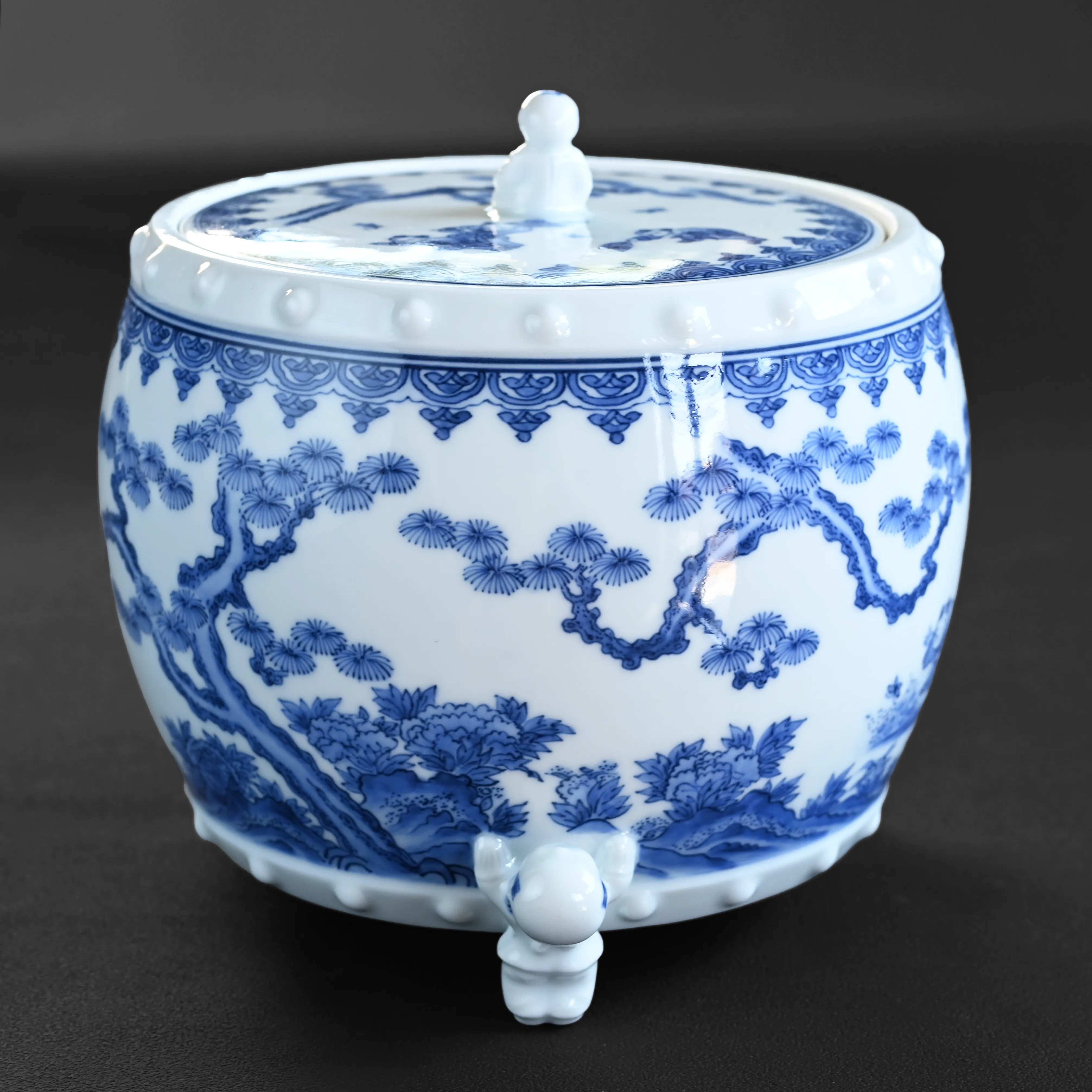
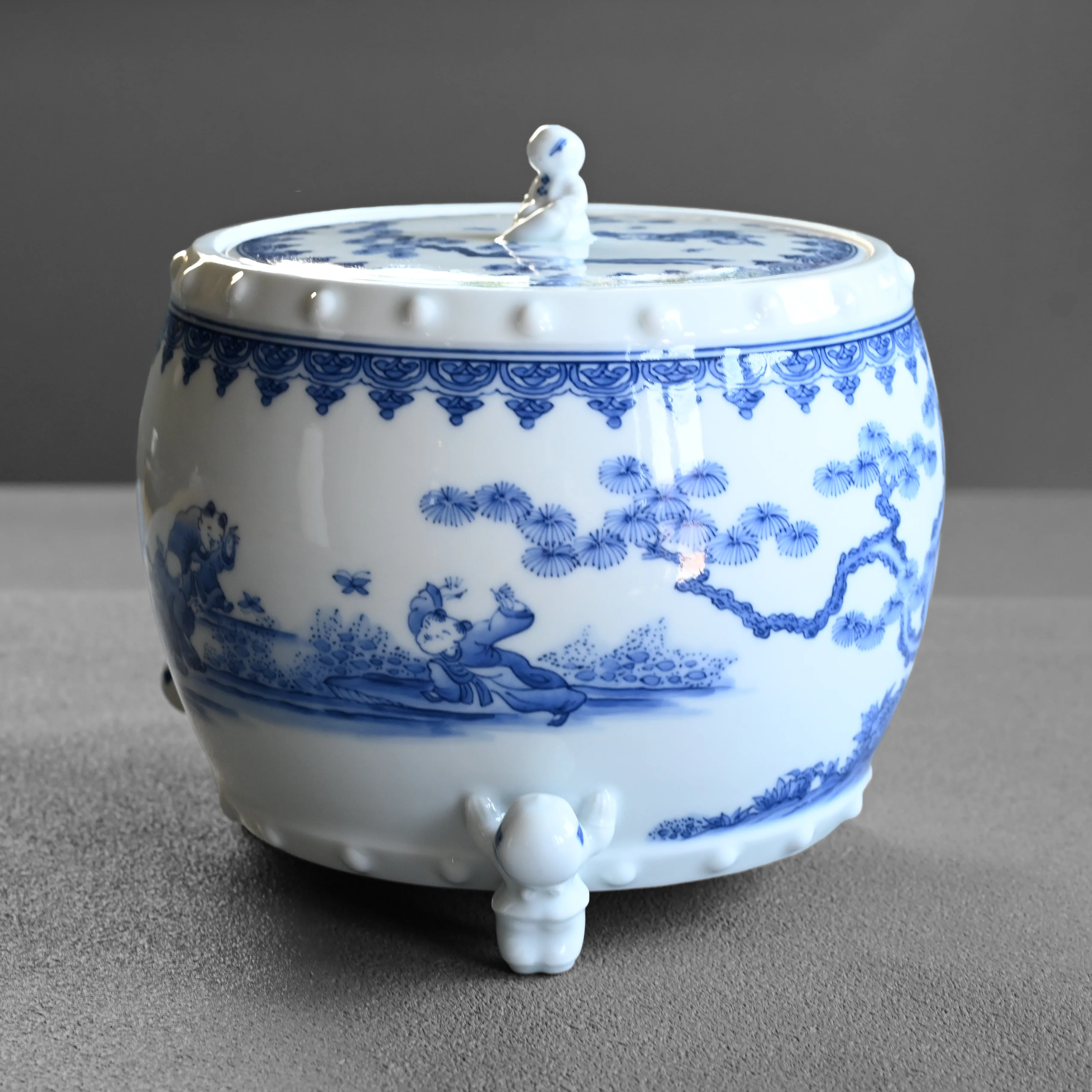
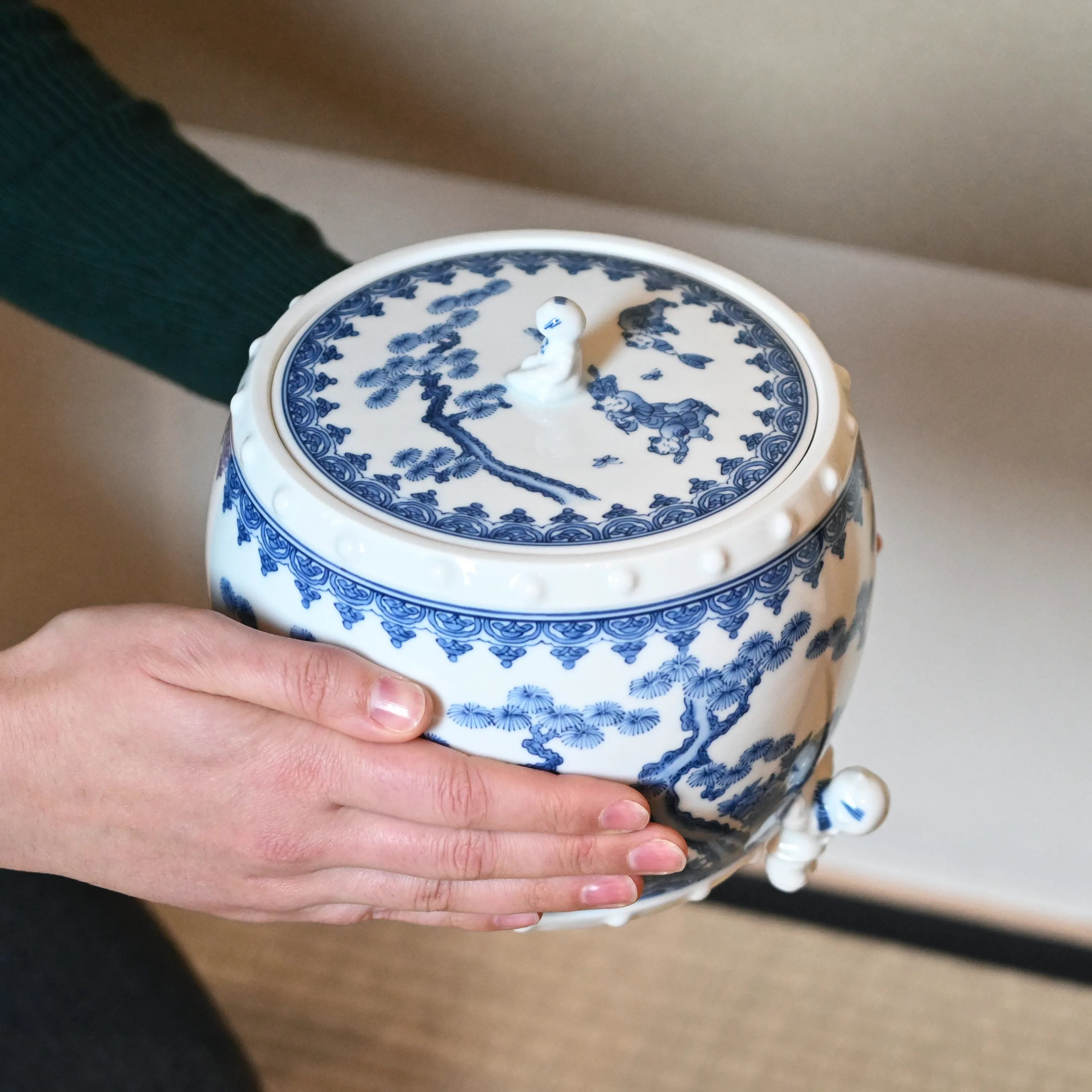
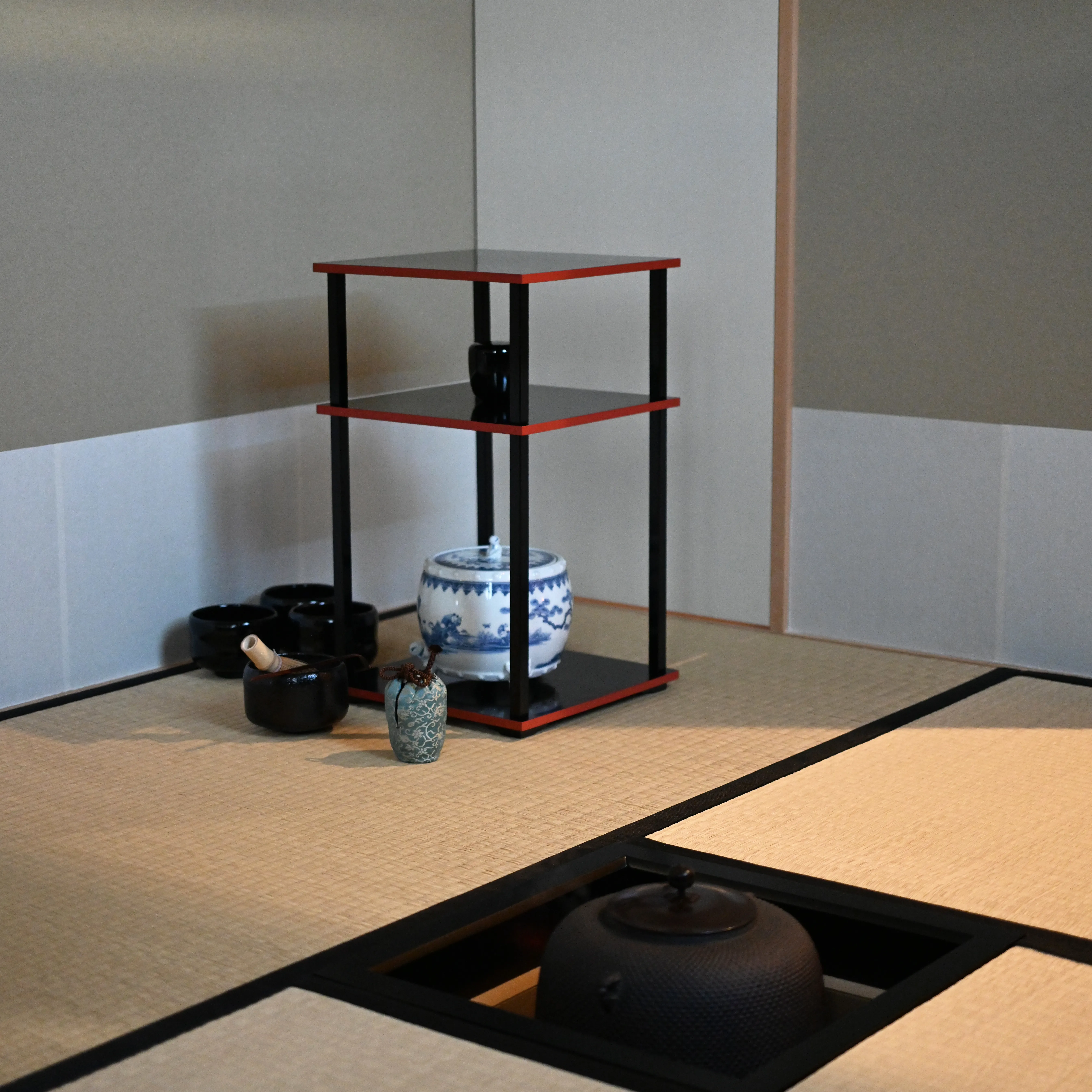

Exquisite handmade and hand-painted blue and white mizusashi. A mizusashi (“water container”) is a lidded vessel used in the Japanese tea ceremony. It holds fresh, cold water that the host uses to replenish the kettle and to rinse utensils during the ceremony.
The mizusashi features scenes of playful children, a motif rooted in Chinese symbolism. During the Ming Dynasty - a time marked by war and invasions from outside tribes - constant conflict led to a significant drop in the population. As a result, children came to be deeply cherished. The term karako, meaning "Tang child," became a symbol of innocence and good fortune, and images of children grew popular as hopeful, lucky motifs.
The blue and white pottery is called "sometsuke". Sometsuke is a technique Chinese potters have been using since the 12th century. In Japan, it was introduced in the 17th century. The technique involves painting a design or picture with cobalt-rich, blue pigment on white, bisque-fired porcelain. The porcelain is then coated with transparent glaze and fired again.
About the artist, Yokoishi Kasuke:
13th Generation Yokoishi Kasuke (b. 1939) is a master ceramic artist of the Hirado ware tradition, born into the long-established Kasuke family of potters. The Kasuke lineage spans multiple generations, known for producing refined porcelain and tea utensils.
Trained from the age of 14 under the 12th-generation Kasuke and educated at Arita Technical High School, he went on to gain recognition at major exhibitions, including the Mainichi Ceramic Art Exhibition and the prestigious Japan Traditional Crafts Exhibition.
In 1984, he succeeded to the title of 13th Generation Kasuke, continuing the family legacy while dedicating himself to the quiet refinement of his craft, particularly in the field of teaware.
About Hiradoyaki:
In the 17th century, the Hirado daimyo family established a village of Korean potters and utilized their kilns to produce high-quality porcelain ware, which was then presented as diplomatic gifts to other lords, the shogun, or even the emperor.
The Hirado kilns became renowned for their white and celadon glazed porcelain.
The mizusashi comes in a paulownia wood box signed by the artist.
Place of Origin: Nagasaki Pref. Japan
☆ WE GUARANTEE SAFE DELIVERY - if the product gets damaged in transit we will replace or make a refund.
☆ HANDMADE PRODUCT
To write a review, please log in.
(Only purchasers can write a review.)
Item code: KTW013
Artisan: Yokoishi Kasuke
Origin: Nagasaki Pref. Japan
Material: porcelain
Dimensions: Φ 19.5 cm , H: 16.7 cm


 The customs duties do not belong to our competence. It may occur that duties have to be paid on receipt of the parcel. About the current rates of customs duties in your country please contact local authority. To learn about international shipping, read more here.
Posting time can vary due to the manufacturers capacity, Japanese national holidays, as well as natural disasters or accidents, etc., and we can not guarantee posting dates.
Albania
Algeria
Argentina
Armenia
Australia
Austria
Azerbaidjan
Bahrain
Bangladesh
Barbados
Belgium
Bhutan
Bosnia and Herzegovina
Botswana
Brunei Darussalam
Bulgaria
Cambodia
Canada
Chile
Croatia
Cyprus
Czech Republic
Denmark
Djibouti
Ecuador
Egypt
El Salvador
Estonia
Ethiopia
Faroe Islands
Fiji
Finland
France
Gabon
Georgia
Germany
Germany
Ghana
Gibraltar
Guam (USA)
Honduras
Hong Kong
Hungary
Hungary
Iceland
India
Indonesia
Ireland
Israel
Italy
Ivory Coast (Cote D'Ivoire)
Jamaica
Japan
Japan
Jordan
Kenya
Kuwait
Kyrgyzstan
Laos
Latvia
Liechtenstein
Lithuania
Luxembourg
Macau
Macedonia
Madagascar
Malaysia
Maldives
Malta
Mauritius
Mexico
Moldova
Monaco
Mongolia
Montenegro
Morocco
Myanmar
Nepal
Netherlands
New Caledonia (French)
New Zealand
Nigeria
Norway
Pakistan
Panama
Papua New Guinea
Paraguay
Peru
Philippines
Poland
Portugal
Puerto Rico
Qatar
Reunion Island
Romania
Rwanda
San Marino
Saudi Arabia
Senegal
Serbia
Sierra Leone
Singapore
Sint Maarten
Slovak Republic
Slovenia
South Africa
South Korea
Sri Lanka
Sudan
Sweden
Switzerland
Tahiti (French Polynesia)
Taiwan
Tanzania
Thailand
Togo
Tonga
Trinidad and Tobago
Tunisia
Uganda
Ukraine
United Arab Emirates
United Kingdom
United Kingdom
United States of America
United States of America
Uruguay
Uzbekistan
Venezuela
Vietnam
Zimbabwe
Should you have any questions, please do not hesitate to contact us
Usage:
Before first use, rinse it with lukewarm (not hot) water, then let it dry completely!
Never expose it to open flame! Avoid placing it on hot surfaces, like a stove, and never use it in a microwave or oven.
Cleaning:
Rinse it well after every use. It is better to avoid dishwashing liquid, but you can use gentle, organic soap to clean your mizusashi. Never use bleach!
Avoid using dishwasher or dryer!
Avoid scrubbing.
Storage:
After use, always let it dry completely, for if stored away while still wet, it might develop an unpleasant smell or mold.
Tokoname teapot made by Koushi Umehara • 120 ml

