Customers who bought this item also bought
-

Entry grade usucha (thin matcha), also perfect for flavoring soft drinks
$19.44 / 30 g
Ma******, UNITED STATES OF AMERICA ► "Service, mailing and attention to detail in packaging is always so appreciated. It is always a pleasant encounter when purchasing from Sazen. Thank you." Er******, UNITED STATES OF AMERICA ► "Everything came perfectly packaged, with no scratches or dents." St******, UNITED STATES OF AMERICA ► "Gokujo Shincha 2020" Pe******, GERMANY ► "Very fast shipping, excellent packaging, nice contact." An******, UNITED STATES OF AMERICA ► "Fast service and came in pristine condition and packaging. Thank you for the free tea sample included inside." Ri******, UNITED STATES OF AMERICA ► "Great communication and the same price as the Marukyu vendor in Japan so there is no mark up for international customers which I have experienced while purchasing Marukyu products from local vendors in my country. Very fast shipping." Ma******, UNITED STATES OF AMERICA ► "Excellent service and shipping time. Thank you also for always including samples. I get to share the samples with my colleagues at work and they are always so appreciative of them, as I am." mi******, ROMANIA ► "Superb tea and service, thank you." AT******, JAPAN ► "丁寧な対応をしていただきました。 デザインにこだわりがある人は発送前に品物の確認をすることをお勧めします。" G******, UNITED STATES OF AMERICA ► "Excellent as always." G******, UNITED STATES OF AMERICA ► "The only place I but matcha. Trustworthy and great service." Ja******, UNITED STATES OF AMERICA ► "Service was fast all the way from Kyoto to Florida. Everything was safely packaged and you can tell they care about their customers and encouraging the way of tea." Na******, THAILAND ► "Amazing! Would give it 6 stars!!" Na******, UNITED STATES OF AMERICA ► "I was amazed and delighted at the fast ship time through DHL. Communication was courteous and swift. I will certainly return for the springtime first flush teas, it is so lovely to find a new excellent provider of tea and wares." Ma******, MEXICO ► "Excellent customer service, quick shipment and delivery to Mexico. Thank you so much!" Al******, SPAIN ► "Perfect deal! Very efficient and friendly staff. Very good and fast service! I will keep buying in your store." Ri******, JAPAN ► "Due to a large influx of orders, there were delays in the shipping. BUT, this was clearly communicated on the site, I appreciate this transparency!" Br******, UNITED STATES OF AMERICA ► "Packed perfectly and very well protected as were the two cups also in my order." Pa******, JAPAN ► "Good service and fast shipping. Highly recommended." LE******, UNITED STATES OF AMERICA ► "I wish you offer in a cans as well, i love them." Al******, UNITED STATES OF AMERICA ► "great service" Sz******, ROMANIA ► "Excellent service, highly recommended to any tea lover." Cl******, UNITED STATES OF AMERICA ► "Always great service!!!" Fr******, CANADA ► "Thank you for the great packaging and free sample. Quick to respond to e-mails." Na******, SWITZERLAND ► "Very fast shipping and delivery." ha******, CANADA ► "very speedy delivery" Ni******, CANADA ► "Very fast shipping that was carefully packaged. Look forward to shopping with new tea friends at Sazen again soon." Wi******, UNITED STATES OF AMERICA ► "Extremely fast shipping, great service." Jo******, UNITED STATES OF AMERICA ► "Sazentea’s service was as good for this order as it’s always been. Shipping is pricey, but I understand why, and their free shipping on $200+ orders is reasonable considering where it’s coming from and how quickly they get it to me. The fact I live in a day & age where I can get products from Japan in one week is great, but I know this wouldn’t be possible if Sazen wasn’t on top of their game." NI******, THAILAND ► "smart and fast delivery" GA******, MALAYSIA ► "Thank you sazen for brings up this wonderful platform for tea lovers" An******, UNITED STATES OF AMERICA ► "Awesome. Will appreciate even more if you can tell me : is it true that as long I keep my total order under 10,000 JPY, I pay no Custom tax in US." Ma******, CANADA ► "Shipping is fast and carefully packed." Jo******, UNITED STATES OF AMERICA ► "Great, as always!" Ja******, JAPAN ► "Tasty teas, quick service" Jo******, UNITED STATES OF AMERICA ► "Good as always!" Je******, JAPAN ► "Excellent service as usual :)" Ta******, HUNGARY ► "Perfect, helpful, fast and big hearted customer service." Gi******, UNITED STATES OF AMERICA ► "Fast service" Ez******, PHILIPPINES ► "Marukyu Koyamaen products were out of stock everywhere so I was expecting delays in my shipping but I got my items in a week!" Xi******, CANADA ► "Secure packaging, fast delivery + customer service support." Mo******, UNITED STATES OF AMERICA ► "excellent service from Sazen as always." St******, UNITED STATES OF AMERICA ► "The taste of spring in a cup" Er******, UNITED STATES OF AMERICA ► "The shipping to USA is pricey, but that’s no fault of Sazen’s. They always include a sample of one of their high quality teas (sometimes even better quality than the ones I ordered) to pique one’s interest." Ma******, UNITED STATES OF AMERICA ► "Excellent service as per usual of SAZEN. Arrived safely, intact and in less than 7 days of placing my order. Thank you again for your attention to detail and service - it is a joy to open the boxes that arrive from SAZEN." Ri******, JAPAN ► "Thanks so much for your incredible service again. I try not to look at how much money I spend on tea from Sazen, but there's a reason I've returned for orders every few months. I've found no tea company across the world that balances excellent customer service, selection, and value the way Sazen does." Wi******, UNITED STATES OF AMERICA ► "I love sazen tea , very good value" Ja******, UNITED STATES OF AMERICA ► "Packaging by Sazen was stellar, as usual." Pa******, CAMBODIA ► "The taste is good i love it" Pa******, ARGENTINA ► "Agnes is very responsive and works out any problem you might have." Nh******, UNITED STATES OF AMERICA ► "Reliable and no-hassle. I could not ask for more." On******, CZECH REPUBLIC ► "Insanely fast shipping in comparison to my experiences with other stores." Th******, UNITED STATES OF AMERICA ► "Excellent shipping and packing." Sa******, NEW ZEALAND ► "First time customer, and I am extremely pleased and impressed with Sazen's service. I ordered from New Zealand, and the order was at my house in only six days from submitting my order. Everything was carefully packaged and arrived perfectly. Very good products and prices, and excellent response to my questions as well. Arigatou gozaimasu. HIGHLY RECOMMEND :)" To******, POLAND ► "Great service, fast delivery, well packed. Nothing to complain, just to praise!" Da******, UNITED STATES OF AMERICA ► "Sazen is always great." Ro******, GERMANY ► "Best team!" GA******, MALAYSIA ► "Thank you Sazen. Top quality packing and speed delivery." Ja******, HONG KONG ► "Thank you for fantastic quality, consistency (2020 vs 2022 Chashoten Gyokuro) and speedy delivery with a rewarding sample gift ^_^" Ka******, UNITED STATES OF AMERICA ► "Great service! The tea and other items I ordered were well packaged and arrived quickly (within 1 week of ordering) despite COVID-19 and being shipped to GA, USA." Qu******, CANADA ► "Excellent as usual, Sazen delivers to Canada very fast (less than a week!). I am a customer for many years now, and the quality remains excellent!" Da******, UNITED STATES OF AMERICA ► "Sazen is always great." Wa******, BRUNEI DARUSSALAM ► "Processing order took a bit of time but fast shipping" Ri******, JAPAN ► "If it weren't for Sazen, I wouldn't be able to discover the amazing world of matcha. The quality and price point is way better than anything offered in the U.S." Ol******, UKRAINE ► "Stellar! Thank YOU for being the best Japanese tea provider IN THE WORLD!" Ni******, BULGARIA ► "My favorite cup. I wish they had 45ml version of this! :( The 25ml ones are too small and this is too big. For me the perfect size is 50ml to the edge (35ml filled). But it's perfect for its size - I don't need a pitcher for my 60ml shibo which is awesome. Sazen's service is awesome - everything was packaged nicely and safely." Ye******, SINGAPORE ► "Excellent! Steps were taken to ensure that the matcha cans were delivered intact and met my expectation." Do******, HUNGARY ► "Even with shipping times and customs, my package arrived much faster than I expected. I'm very happy with my purchase!" No******, CANADA ► "Very fast shipping and delivery. Shipping is very expensive." Je******, UNITED STATES OF AMERICA ► "Sazen has never let me down! Super fast shipping (faster arriving in US from Japan than some companies shipping inside US!!!), excellent packaging, can't say enough great things!" Ga******, UNITED STATES OF AMERICA ► "prompt, professional shipping as usual" Mi******, UNITED STATES OF AMERICA ► "thank you!" Da******, UNITED STATES OF AMERICA ► "Excellent customer service!" Mi******, UNITED STATES OF AMERICA ► "Wonderful and quick shipment and service. I'm so happy. Thank you!" Jo******, UNITED STATES OF AMERICA ► "Always excellent packaging." Cl******, UNITED STATES OF AMERICA ► "Well packaged and quick. Thank you!" Ch******, MALAYSIA ► "Great as usual" Ja******, UNITED STATES OF AMERICA ► "Sazen is stellar as usual!" Je******, UNITED STATES OF AMERICA ► "Super fast & accurate!" Ba******, PHILIPPINES ► "Excellent as always." Jo******, UNITED STATES OF AMERICA ► "Good as always :)" Sz******, SINGAPORE ► "Ordered on Sunday night, received on Thursday night (Singapore)" In******, UNITED STATES OF AMERICA ► "My package arrived much more quickly than I expected for something shipped overseas!" Ca******, JAPAN ► "Love you guys!" Ma******, UNITED STATES OF AMERICA ► "SAZEN's service is always stellar. Their shipping is very fast and they get your goods out to you in less than a week from the date of your order. packing of fragile items are really thought out, secure and arrives intact and safely. Thank you for the attention to details as week." Sa******, HUNGARY ► "Outstanding. Fast processing, fast delivery, excellent packaging, and beautiful products. I have been wanting to order from Sazen for a while, and I am so glad I finally did. I will likely be ordering most of my tea from Sazen from now on." Sa******, UNITED STATES OF AMERICA ► "Thank you for the excellent service. Item was packed so carefully & arrived SO fast. Can't recommend you guys enough." Ro******, GERMANY ► "Best tea shop! A+++" Ta******, HUNGARY ► "Perfect service, as always!" Is******, JAPAN ► "Great service from Sazen, but it seems that they're not shipping to Spain anymore :( Hoping they will resume shipping soon." G******, UNITED STATES OF AMERICA ► "Excellent service as always. A very smooth delivery. With the new tariffs in the US I was worried. However, Sazen streamlined the process with their service."Uw******, GERMANY ► "The only one shop in Japan I order my tea direkt. Very fast and best teas!!!! Trustfull" Th******, UNITED KINGDOM ► "First time using Sazen Tea and the experience has been a positive one. Even when I contacted customer service via email, the advisors were informative and helpful. The ordering process was easy with options to pay in USD or JPY, and the shipping was quick and easy once it was dispatched. I would highly recommend Sazen Tea and I would definitely use again." Jo******, UNITED STATES OF AMERICA ► "Good as always!" Sa******, ISRAEL ► "Like everytime, service's from Sazen is just at perfection, Thank You :)" Ch******, UNITED STATES OF AMERICA ► "From prompt shipping to samples in the package I keep coming to Sazen for my tea because the service is the best!" LE******, UNITED STATES OF AMERICA ► "THE BEST!" Ma******, UNITED STATES OF AMERICA ► "Thank you." An******, GERMANY ► "Brilliant!!!" Hu******, UNITED STATES OF AMERICA ► "Fast shipping and enjoyed the kind words with the packaging. Products were shipped with care." Ad******, JAPAN ► "The tea is well packaged but would appreciate if you could indicate Company Name clearly on package label as the shipping company could not identify the right office on the floor to deliver to. Thank you!" Je******, UNITED STATES OF AMERICA ► "Super fast and accurate shipping to east coast of US!" Ma******, SINGAPORE ► "Very fast n quick delivery by dhl n good service. Reasonable prices." Ph******, CANADA ► "Efficient and speedy service. Tea nicely packaged in box. Will purchase from seller again. Very satisfied." la******, UNITED STATES OF AMERICA ► "this a really good matcha! Highly underrated! the flavor is spot on comparable to some of the really high end matcha powders! its such a great beginner level matcha I would say slight umami flavor absolutely no bitterness, no astringency and nice grassy notes with little hints of toasted flavor" Je******, UNITED STATES OF AMERICA ► "Super fast & accurate!" Sh******, UNITED STATES OF AMERICA ► "Very fast shipping. Sazen has been reliable over the years." Fr******, UNITED STATES OF AMERICA ► "Always helpful, always quick response." Be******, UNITED STATES OF AMERICA ► "Fast, accurate, packed well, and reasonably priced" Da******, UNITED STATES OF AMERICA ► "Perfect as always!" Ri******, UNITED STATES OF AMERICA ► "Great communication with fast and safe shipping." Cl******, UNITED STATES OF AMERICA ► "I love your service and the envelopes design are such a nice treat :) love collecting them. Whomever does the art, please let them know is sooo awesome!!!" An******, CYPRUS ► "Took just 2 weeks to arrive all the way to Cyprus! They came all wrapped up and safe, thank you!" Je******, UNITED STATES OF AMERICA ► "Sazen delivers earlier than expected! Thank you Sazen for your hard work!" Lá******, HUNGARY ► "Fast shipping, excellent packaging and lovely staff service." Sz******, ROMANIA ► "Stellar services." Se******, AZERBAIDJAN ► "The best tea shop ever! Always the freshest teas and the kindest, most responsive team — thank you for everything you do for us tea lovers! ❤️ Wishing endless prosperity to this amazing shop and the incredible Sazen team! P.S. Can’t wait to see Matcha Wako back in stock — we miss it!" LE******, UNITED STATES OF AMERICA ► "Very good options on different Japanese and other teas options. I wish you write on some tea in English, for example , my favor Sencha Agata no Mori has no English description about that tea, which is important. But I thank you for a quick delivery and very best customer service! Leon. Miami, Florida, USA" Jo******, PUERTO RICO ► "Great Service, fast shipping!" Sa******, UNITED STATES OF AMERICA ► "Fast and so professional. Thank you!" Wa******, UNITED STATES OF AMERICA ► "Very fast ship, very well packed." Sa******, INDONESIA ► "Love the service and the little package of free gift (tea) that is utterly delightful and smart (as I did order some of green teas that were given to me as samples)" An******, NETHERLANDS ► "Great website, fast delivery, huge tea, and teaware selection" Ch******, MALAYSIA ► "Excellent, thank you for the excellent packaging and the free sample!" Ki******, UNITED STATES OF AMERICA ► "The package arrived quickly, sooner than estimated. Thank you, Sazen!" G******, UNITED STATES OF AMERICA ► "As always Sazen service is excellent!" Ro******, UNITED STATES OF AMERICA ► "We had a slight issue with the original copper insert. Sazen immediately sent another with no shipping cost to us. Fantastic customer service! Thank you." Pi******, POLAND ► "Fast, easy and smooth, those are the words I would use, when it comes to the way how easy and see-through every step of making and order with Sazen is." Da******, CZECH REPUBLIC ► "Perfect packaging, quick delivery, great service. Thank you" Jo******, UNITED STATES OF AMERICA ► "My order had a few complications, but the customer service was able to resolve them smoothly. Many thanks!" An******, VIETNAM ► "発注日から送る日まで長かったが、ベトナムまで結構速いです。税関申告書の記入に大変慣れていらっしゃいます。なので輸入手続きも迅速で、本当にありがとうございました。" Xi******, CANADA ► "Great packaging, love the tea sample! :)" Ps******, UNITED STATES OF AMERICA ► "best made with room temperature water and no more than 50 ml water steeped for 15 minutes" Ba******, PHILIPPINES ► "Again, excellent service Sazen!" Ch******, UNITED STATES OF AMERICA ► "As always the shipping is perfect and the packaging is the best. I keep coming back because the tea is good and the teawares are some of the best." Mi******, SWITZERLAND ► "Perfect." Ri******, JAPAN ► "Perfect service, as always. The customer support team is very responsive and kind, delivery is transparent and fast, prices are definitely in order. The undisputed go-to website for high-quality matcha INSIDE and OUTSIDE of Japan!" Ka******, UNITED STATES OF AMERICA ► "Solid service as usual" Ja******, PERU ► "Excellent as always" Jo******, UNITED STATES OF AMERICA ► "Great as always!" Da******, UNITED STATES OF AMERICA ► "Always fast delivery, good packaging, and reasonable prices. They will work with you personally on more complicated orders." Ai******, SINGAPORE ► "no-fuss delivery and came earlier than expected, thanks :)" Cl******, UNITED STATES OF AMERICA ► "Great service as usual" Da******, UNITED STATES OF AMERICA ► "Perfect as always and early delivery by DHL." Da******, UNITED STATES OF AMERICA ► "Sazen service - from their email replies to how they pack and ship their boxes - is always superb. Seriously when you get a box via DHL or FedEx (I prefer DHL now for US deliveries) take note of even how perfectly the box is packed and taped. This is a Japanese company doing every step mindfully it seems." Sz******, ROMANIA ► "Great service fast shipping, only the description should be more accurate instead of 350 ml capacity correct it to 280 ml and no problem, this is too big of a size difference." 尚子******, JAPAN ► "若干送料が高め&送料無料の購入下限金額も高めな気がしますが、物価上昇の著しい今の日本国内では致し方ないですね。なるべくまとめ買いしようとすると購入に慎重になってまうのが悩みです。でも少しずつ商品のラインナップが戻ってきているのはありがたいです。この調子で元の取り扱いメーカー・商品が揃うことを期待しております。" Ve******, CROATIA ► "Very quick delivery." Wi******, UNITED STATES OF AMERICA ► "Amazing service as always" Gi******, UNITED STATES OF AMERICA ► "5 star customer service" Ko******, JAPAN ► "Excellent service and the sample tea was delicious" To******, POLAND ► "excellent" Vi******, UNITED STATES OF AMERICA ► "My matcha was packed quickly and arrived safely!" Má******, HUNGARY ► "Good packaging, thank you for the gift ?" An******, UNITED STATES OF AMERICA ► "Sazen was clear about lead times and costs up front and every item was a hit. Will be happy to use their service again!" Iv******, CROATIA ► "Packed excellently" CH******, TAIWAN ► "The delivery was extremely fast !" Sa******, INDONESIA ► "I have been buying from Sazen for maybe 5 times now. All the way from Japan, the products arrived safely, and of good quality. I also like the reward points, and very appreciative of the mini free sample Sazen gave in each shipment. In fact, I ended up ordering some that I thought was quite good. Well done!" Fe******, ITALY ► "Simply amazing. First time I tried a thencha and wanted to start with a really good one. I followed the brewing suggestion given by Sazen and the result is that I am in love with this tea. Thank you" Jo******, UNITED STATES OF AMERICA ► "Great as always!" Pe******, GERMANY ► "Friendly & fast customer service." Cl******, UNITED STATES OF AMERICA ► "Always great service" Ja******, JAPAN ► "Looking forward to gifting a friend with some tea in person" Ka******, UNITED STATES OF AMERICA ► "Really nice people and they addressed any questions I had. Also, thanks for the gift! My new matcha home as an Ippodo refugee" Ju******, UNITED STATES OF AMERICA ► "I love it!!!" Da******, UNITED STATES OF AMERICA ► "Sazen service is always top notch." To******, POLAND ► "Just 5 stars, perfect service really." Ba******, PHILIPPINES ► "Excellent service, as always!" LE******, UNITED STATES OF AMERICA ► "Would be nice if there is a writing in english...." An******, GERMANY ► "Simply perfect!" Ta******, HUNGARY ► "The best service as always" Sa******, UNITED STATES OF AMERICA ► "World-class. Outstanding." Wa******, UNITED STATES OF AMERICA ► "Sazen has excellent service and a wide selection of teaware at very competitive prices." Ju******, JAPAN ► "Fast and neat service! Packaging was also nice and I got a small bag of service matcha." Ju******, UNITED STATES OF AMERICA ► "The best I ever had!!!" LE******, UNITED STATES OF AMERICA ► "BEST SERVICE, ESPECIALLY SHIPPING WITHIN A FEW DAYS!" Er******, UNITED STATES OF AMERICA ► "Packaging was fine, no damage to the matcha tin." vi******, UNITED STATES OF AMERICA ► "I've contacted Sazen customer service a few times now asking for recommendations, and they have always been so helpful." Je******, AUSTRALIA ► "Very good packaging." Da******, UNITED STATES OF AMERICA ► "Excellent, very safe packaging and delivered 2 days early. Received exactly what I asked for." th******, UNITED STATES OF AMERICA ► "Ordered on a Saturday and had tea on hand in Georgia, USA by Wed- Amazingly fast. Included sample was appreciated and excellent." Th******, UNITED STATES OF AMERICA ► "Fast and efficient delivery! Thank you for getting the tea out quickly." Da******, GERMANY ► "Great communication and fast shipment!" Mi******, CANADA ► "Fantastic service and quick delivery." Al******, AUSTRALIA ► "Very fast shipping, and the free loose tea was also a very good freebie." BL******, MALAYSIA ► "Well done on detailed description, educating and communication !!" Di******, ISRAEL ► "Thank you for your wonderful service!" Me******, UNITED STATES OF AMERICA ► "Tea is good and customer service is even better" Da******, UNITED STATES OF AMERICA ► "Perfect!" Ra******, ALGERIA ► "My order arrived incredibly quickly, exceeding my expectations. The thoughtful touch of including a cute Happy New Year note made the experience feel personal and extra special. It’s clear they care about their customers, and this attention to detail didn’t go unnoticed. Highly recommended for both the efficiency and the warmth of their service!" Xi******, GERMANY ► "Absolutely masterpiece! Elegant and lasting design. Bought two some months ago and here I am again stocking three more!" Ly******, CANADA ► "5 star service from Sazen! Will definitely repurchase from them." Ch******, MALAYSIA ► "Great as usual" Ak******, UNITED STATES OF AMERICA ► "Speedy shipping, and great customer service communication/ problem solving" Ta******, CANADA ► "I was notified of a capacity change before delivery, and I really appreciated that." An******, UNITED STATES OF AMERICA ► "They are absolutely the best and very responsive. I place one year’s order at a time." Ma******, UNITED STATES OF AMERICA ► "Always a great pleasure purchasing from Sazen - their service, packing, products and shipping is unsurpassed. Thank you." BL******, MALAYSIA ► "I feel the product is a little short of info. I hope to know more about the ingredients used. Is it natural essential oil or synthetic. Was it hand made or machine made and etc. Cheers" G******, UNITED STATES OF AMERICA ► "As always sazen service is great." Ja******, UNITED STATES OF AMERICA ► "I can't believe how fast this arrived to Florida from Japan! Everything was in perfect shape and packed with much love and care." Ma******, SINGAPORE ► "I am impressed because this matcha is cheap, yet it is smooth n not bitter at all with a little astrigency. Unami n sweetness maynot be as good as the premium range ones but the price is Cheaper than Those repacked ceremonial grade matcha we see on amazon or other websites but taste way better. If the entry level for this brand is this good, i wonder how good will the rest of the matcha taste like. Glad to have found this sazen website. Prices are very reasonable compared locally." or******, ISRAEL ► "great company changed my life forever gave me the opportunity to the best matcha test but more important the matcha effect of energy realax and focus very good service for example i asked for usucha info the contact sent me info but immediately update iinfo in the website witch mean he think about every costumer shopping on this store" Ka******, UNITED STATES OF AMERICA ► "Great tea and teaware :)" Si******, SINGAPORE ► "Was pleasantly surprised by the faster than expected delivery. Matcha tins were carefully bubble-wrapped and arrived in excellent condition. Thank you!" El******, CZECH REPUBLIC ► "quick shipping" Ca******, PHILIPPINES ► "Thank you for the freebie tea and for fast shipping" Sh******, UNITED ARAB EMIRATES ► "Great" Tu******, AUSTRIA ► "Quick to respond, very knowledgeable staff" Ap******, UNITED STATES OF AMERICA ► "Your service feels like home! It is an honor to do business with you!" Da******, UNITED STATES OF AMERICA ► "Perfect as always!" Os******, MEXICO ► "Congratulations to Sazen for his top quality service." An******, AUSTRALIA ► "Excellent service Thank you very much" Ma******, NETHERLANDS ► "Thank you for all the support to ship this item to Europe" Wi******, UNITED STATES OF AMERICA ► "Great service, willing to work with me when I made an error in my order. Arrived quickly and was well packed." Er******, UNITED STATES OF AMERICA ► "Sazens service was excellent. Arrived surprisingly quick from Japan. They warn while purchasing of potential duty fee's etc, but I never had to deal with any. It arrived via FedEx as any ordinary package." Mo******, UNITED STATES OF AMERICA ► "Thanks for the amazing service!" Sh******, UNITED ARAB EMIRATES ► "Great" Ta******, CANADA ► "packed perfectly with care and arrived quickly as always :) worlds best online tea shop." St******, UNITED STATES OF AMERICA ► "The best culinary matcha - tastes like Kyoto" Er******, UNITED STATES OF AMERICA ► "Packed very securely with lots of material keeping it from getting smashed." Ja******, UNITED STATES OF AMERICA ► "Wonderful service, as usual! Absolutely love you guys!" Br******, UNITED STATES OF AMERICA ► "The teapot arrived well wrapped." Ja******, JAPAN ► "Not bad." Al******, THAILAND ► "Order arrived on time. The package is secured. No damage done to the matcha." Sa******, UNITED STATES OF AMERICA ► "World-class. Outstanding." Be******, SINGAPORE ► "Fast delivery. Item received in good order and well-packed. A free gift was included. Nice gesture" Sa******, UNITED STATES OF AMERICA ► "Great! Arrived very fast" Sa******, ISRAEL ► "Like everytime, service's from Sazen is just at perfection, Thank You :)" An******, UNITED STATES OF AMERICA ► "I love it!" So******, UNITED KINGDOM ► "Thank you so much for stocking this. Please keep it forever! :)" Si******, THAILAND ► "Great service! Easy to order. Fast delivery." Vo******, UKRAINE ► "Thank you" Ol******, CANADA ► "Perfect customer service with update throughout the process and speedy delivery through DHL services." Sa******, UNITED STATES OF AMERICA ► "Fast and professional" Ma******, POLAND ► "It was nice to shop with Sazentea. great customer service, Agnes is very kind and answears all your questions, I got a lot of samples and a handwritten note :-)" Ro******, UNITED STATES OF AMERICA ► "Always great service from Sazen! Thank you." Ag******, JAPAN ► "You are amazing guys! Perfect Customer Service ?" Mi******, BRUNEI DARUSSALAM ► "delivered the items faster than estimated and received items on the day of the estimated shipping date for the matcha. really great service and quick shipping." Le******, UNITED STATES OF AMERICA ► "Perfect, arrived much earlier than expected and in perfect condition." Do******, HUNGARY ► "Everything was packaged with care and arrived fast. All the teaware is very beautiful." Me******, MEXICO ► "Everything was well packaged to prevent any damage. It didn´t take long to arrive after posting. The only issue I had was that I received the notification that my package had been sent and was on its way after i had already received it at my adress a few days prior; other than that I have no complaints." Ma******, ITALY ► "Professional and serious" Yv******, CANADA ► "Fast shipping/delivery and was super easy with all the information the website provided. Super reliable!" Ma******, ITALY ► "I took time to realize that Sazen is one of the best around . Prompt service, accuracy , I am very proud I have now all I need on a palm of a hand. Thank you for to be so professional." Je******, UNITED STATES OF AMERICA ► "Sazen continues to deliver faster than expected and without any issues. Thanks Sazen!!!" Ol******, UKRAINE ► "Best matcha store EVER! Sazen delivers every single time!!!!" Ps******, UNITED STATES OF AMERICA ► "The finest matcha store on the internet by far. Thank You Sazen KANPAI !!!" Ji******, UNITED STATES OF AMERICA ► "Sazen has great prices, great products and AMAZING shipping. Somehow my orders show up at my house in days, I order late on Tuesday and it has arrived by Friday afternoon. No need to monitor my can volume because I know I can order last minute and receive this wonderful product in no time. Items are carefully packaged, arrive undamaged and a small free gift is included." El******, UNITED STATES OF AMERICA ► "Always amazing." Mi******, SWITZERLAND ► "Perfect." Ro******, GERMANY ► "Top service!" Lu******, CZECH REPUBLIC ► "Excellent support with the opportunity to choose my own items" Ma******, CANADA ► "My teapot was very carefully packed, thank you." Th******, UNITED STATES OF AMERICA ► "From the moment I placed my order, I felt valued as a customer. They were quick to respond to my questions about the product. When I had a concern about the bowl, they immediately addressed it and went above and beyond to ensure my satisfaction.The tea bowl arrived safely and on time, thanks to Sazen Tea's careful packaging. It was clear they took extra care to protect this delicate item during transit. I can't recommend Sazen Tea and this beautiful Kuroraku Muki Guri Chōjiro Utsushi tea bowl enough. If you're looking for high-quality Japanese teaware and a smooth purchasing experience, look no further. This piece has quickly become a cherished part of my tea ceremony, and I'm already eyeing my next purchase from Sazen Tea!" Ja******, UNITED KINGDOM ► "Delivery, packaging, amazing and fast 3 stars because it was through the advice from you I baught this don't like it at all. Everything else 10/10" Da******, THAILAND ► "I truly appreciate the packaging of each individual product and of the delivering parcel. The preparation might be a bit longer than expected but it's acceptable." Ca******, CANADA ► "Thank you Sazen team!! Always excited to receive my package from you! I hope you can add more matcha brands so people can try more matcha." Er******, UNITED STATES OF AMERICA ► "Sazen service is always fantastic. Shipping costs to the US are high but very understandable and more palatable if you buy in bulk Shipping speed is always impressively quick. I love the samples that you send! I was able to find another favorite tea this way :)" Ca******, KENYA ► "Excellent" Ja******, CHILE ► "Always thankful for your excellent service!" La******, UNITED STATES OF AMERICA ► "It did take about 8 business days to prepare, but once shipped it arrive to East Coast US in 2 days. Totally worth the wait to get authentic matcha for a reasonable price point." Ni******, SWEDEN ► "Great service! Good recommendations and taking time to make it personal was very appreciated." Je******, UNITED STATES OF AMERICA ► "Super fast shipping and accurate!" Ka******, UNITED KINGDOM ► "Quick delivery and excellent customer service" Da******, UNITED STATES OF AMERICA ► "Excellent! Corrected original review from 194C to 194F." Fa******, UNITED STATES OF AMERICA ► "Professional they truly are. It was a very satisfying experience." Sz******, ROMANIA ► "Great service, fast and precise." To******, POLAND ► "Perfect service, nothing to complain as always!" Ar******, UNITED STATES OF AMERICA ► "Splendid" Ia******, UNITED STATES OF AMERICA ► "Arrived promptly and the sample was delicious." Fa******, INDONESIA ► "Prompt delivery and good customer service. Products are wll packed." Al******, UKRAINE ► "Fast shipping, safe packaging" mi******, ROMANIA ► "Top Notch Quality !" Al******, UNITED STATES OF AMERICA ► "Best prices for matcha and my favorite place to shop." Al******, ITALY ► "Fast shipping and perfect packaging." th******, UNITED STATES OF AMERICA ► "super fast" Ja******, PERU ► "I love the team" Gr******, UNITED STATES OF AMERICA ► "customer service was excellent - the sazen tea representative responded as soon as the next day started and sent me the prior notice paperwork over email, although I now know for future purchases that the prior notice paperwork can be found on my account" Fr******, GERMANY ► "Thanks a lot, it´s really a great chashaku." Xi******, GERMANY ► "Fast, reliable shipping as always!" Da******, UNITED STATES OF AMERICA ► "Always perfect!" Ky******, UNITED STATES OF AMERICA ► "Sazen is a great company, I just wish that there were more member perks -- Ideally a spend x amount, and get free shipping perk.. or after spending x amount, get free shipping for a year or something. Matcha is a delicate thing, and I like to order it every month or 2 so I know it's fresh... the shipping costs are killer.." Br******, UNITED STATES OF AMERICA ► "Customer service and shipping was above and beyond! Thank you!" Gy******, HUNGARY ► "Very fast order processing and shipping. Love the "DDP / All Duties & Taxes paid" option, this way I won't have to bother with local import procedures. At Sazen they really put the Customer first, they are always there to support." Sc******, UNITED KINGDOM ► "Sazen are always incredible to deal with, their customer support is second to none." Ri******, JAPAN ► "Perfect. Best site for high-quality matcha both inside and outside of Japan" An******, UNITED STATES OF AMERICA ► "Thanks for your great service. Carman, Agnes who helped me to select the right matcha for me:(GIN) and promptly answered all my question. Much appreciated your help. Also thanks for the sample of match Ogurayama, delicious." Da******, GERMANY ► "Perfect, as always - thanks a lot!" Ch******, UNITED STATES OF AMERICA ► "Fantastic shipping and everything came packed nicely, I didn't even know a package could go from Japan to America this quickly. The signatures and sample of Ogurayama were greatly appreciated too, will definitely be ordering from here again." BL******, MALAYSIA ► "I use to be very happy and looking forward to the sample or souvenir that you use to give out. Unfortunately there were none this time." Ai******, SINGAPORE ► "prompt and safe delivery thanks!" GA******, MALAYSIA ► "Thank you Sazen. Top quality packing and speed delivery." Ya******, UNITED STATES OF AMERICA ► "Great service really cheap it's worth it." Sa******, SPAIN ► "Excelente servicio y profesionalidad. ?Muchas gracias!" Ja******, UNITED KINGDOM ► "Fresh fast and still cannot figure out how such successful and fresh well packaged products can make it to the UK so fast amazing keep it up" Al******, JAPAN ► "as one get used to it it become more and more enjoyable and can appreciate its subtle taste" Vo******, ALBANIA ► "The sazen service was great as they helped with a problematic i had and got to me in no time. The shipping was fast despite being in different continents and i would definitely purchase from this website again."Al******, UNITED STATES OF AMERICA ► "Great customer service. Super fast shipping. Excellent packaging. Thank you, Sazen Tea!" LE******, UNITED STATES OF AMERICA ► "EXCELLENT, ALWAYS ON TIME" Da******, UNITED STATES OF AMERICA ► "Consistent perfection!" KE******, NEW ZEALAND ► "Thanks for the safe packaging." Sa******, ISRAEL ► "Sazen services and products are perfect like everytime ! Thanks for everything :-)" Sa******, NEW ZEALAND ► "Absolutely 5 star experience buying from Sazen. Everything was easy, perfectly packaged, and arrived in New Zealand only six days after placing my order. Very happy :) Thank-you." Mi******, TURKEY ► "Keep keeping the fineness and quality, please!" Da******, UNITED STATES OF AMERICA ► "Always perfect!" Al******, ► "Reliable and quality packaging. Outstanding customer service." Jo******, UNITED STATES OF AMERICA ► "Good as always!" Da******, UNITED STATES OF AMERICA ► "Perfect!" PI******, THAILAND ► "ส่งเร็ว มีชาแถมมาทุกครั้ง ดีเยี่ยมครับ" Ch******, MALAYSIA ► "Great as usual!" Ro******, CANADA ► "Best service ever..." Ja******, UNITED KINGDOM ► "As always fast, efficient and high standards" Na******, THAILAND ► "Would rate it a 6 stars if have!" Ky******, UNITED STATES OF AMERICA ► "Always wonderful service from the sazen team. The samples they provide are always wonderful and bring me to my next tea choice" Va******, UNITED STATES OF AMERICA ► "Great Service ! Well packed and super fast shipping ! Happy New Year" Ja******, JAPAN ► "The selection of items and teawares is impressive- Sen no Rikyu statue is a pleasant surprise" ha******, CANADA ► "Agnes was very helpful and patient. Upon request, she sent me pictures of available teapots, and I was able to pick one with a color variation that I liked. Received it 3 days later and made a tea right away.... thank you Sazen ream!" Je******, UNITED STATES OF AMERICA ► "Super fast as always and well packaged!" Su******, JAPAN ► "The staff at Sazentea were all very helpful and friendly answering all of my questions via email. Thank you!" Yu******, ISRAEL ► "Service is ok, but I after paying everything on site Fedex requested for me to pay 60$ more on arrival..." Al******, ROMANIA ► "Prompt service and I have strong confidence in all your products!" Sa******, UNITED ARAB EMIRATES ► "Fantastic reduce bitterness" So******, UNITED KINGDOM ► "Thank you Sazen! I am enjoying the chigi no shiro cha. Also thanks for the great communication and information on your website and everything that you sent me ???? It's very interesting learning about different cultivars and tea varieties." St******, UNITED STATES OF AMERICA ► "Delicious and rich" Da******, UNITED STATES OF AMERICA ► "Always the best!" Sa******, ISRAEL ► "Sazen keep only A+ grade products, the service's is a perfection. Thank You :)" St******, UNITED STATES OF AMERICA ► "Gorgeous matcha" Wi******, UNITED STATES OF AMERICA ► "Sazen is wonderful , my orders are perfect everytime" El******, UNITED STATES OF AMERICA ► "Always great." Al******, UNITED STATES OF AMERICA ► "Outstanding service, as usual!" Ag******, JAPAN ► "Lovely team and unique products. Quality and care 💕" To******, GEORGIA ► "swift to respond, friendly and professional" Ri******, UNITED STATES OF AMERICA ► "Great description. Fast shipping. Nice original packaging" Jo******, UNITED STATES OF AMERICA ► "Great as always!" El******, SWITZERLAND ► "Amazing service and selection with super fast shipping. 2nd year I am ordering from Sazen and I find them amazing !!" Jo******, UNITED STATES OF AMERICA ► "Great as always!" Om******, ISRAEL ► "Szazen service was great and the range of matcha tea is very nice!" Na******, CANADA ► "Exceptional. Friendly and caring service. Feeling grateful." Ja******, JAPAN ► "Prefer Sazen for the Taiwanese, Chinese leaf selections and beautiful teaware- matcha often in stock helps too" To******, POLAND ► "5/5 as always, 0 issues" LE******, UNITED STATES OF AMERICA ► "SUPERIOR SERVICE !" ar******, UNITED STATES OF AMERICA ► "Sazen has never let me down - even from Japan the package arrives faster than other suppliers within the US - and the packaging is so nice - quality all the way. I don't buy from anyone else if I can help it..." Wi******, UNITED STATES OF AMERICA ► "Exceptional matcha selection" Je******, UNITED STATES OF AMERICA ► "Always super fast and always packaged with care!" To******, GEORGIA ► "My favourite and trusty tea enterprise. Long live" To******, POLAND ► "Perfect service as always" Je******, UNITED STATES OF AMERICA ► "Sazen is the best! Super fast shipping and great packaging!" To******, POLAND ► "The order came really very carefully packed in a nice coolbox. I received 2 tea samples with my order for which I am also very grateful. This was my first order from Sazen, but I already know that it will definitely not be the last." Da******, UNITED STATES OF AMERICA ► "I was amazed how fast a package could travel from Japan to the USA without paying a huge shipping rate. And the products are top quality." Ch******, UNITED STATES OF AMERICA ► "All the teaware I have purchased has made the trip from Japan to the US in perfect condition and the packaging is above and beyond." Vi******, ISRAEL ► "The product has arrived in excellent condition. It was packed with care." El******, UNITED STATES OF AMERICA ► "Amazing service, had not issues and order arrived within date given by shipping service." Je******, UNITED STATES OF AMERICA ► "I had been disappointed by another company in Japan selling matcha. Sazen NEVER disappoints!!! Thank you Sazen!!!" Da******, UNITED STATES OF AMERICA ► "Excellent service" Da******, UNITED STATES OF AMERICA ► "Perfect, AAA+++" Gu******, INDONESIA ► "Fast delivery and very responsive." Mi******, CANADA ► "Fantastic service and quick delivery." Ar******, UNITED STATES OF AMERICA ► "Packaging and timing is good as always, you guys are such a quality service." ze******, INDONESIA ► "delivery comes quikly no hassle at all" Ja******, UNITED STATES OF AMERICA ► "Amazing and caring will 100% order from again!" Ca******, CANADA ► "I love sazen. I love the gift they give and their packaging, and how they show the names of their workers. Thank you so much!!" Da******, UNITED STATES OF AMERICA ► "Always top quality service!" Da******, UNITED STATES OF AMERICA ► "This was my first purchase from SAZEN and I am extremely pleased. I will definitely be using them again to buy more teas." To******, GEORGIA ► "Always impeccable" Wi******, UNITED STATES OF AMERICA ► "Fast shipping and well packed!" LE******, UNITED STATES OF AMERICA ► "Would be nice if there is a writing in english...." Jo******, PHILIPPINES ► "thanks for the freebies i apperciate the oriental beauty and the cui feng oolong :) i am really curious with the dong fang mei ren tea then sent it to me :)) thank you" Ha******, MALAYSIA ► "Excellent service, fast delivery, well packing and thanks a lot for the free gift. Would like to purchase more in the future." Ma******, ITALY ► "Happy, when someone make his job in professional way is always repaid ! Will order again and again !" Mi******, SWITZERLAND ► "So well packed, thank you." An******, UNITED STATES OF AMERICA ► "Very nice packaging and fast delivery" Wi******, UNITED STATES OF AMERICA ► "As always, service was fantastic and delivery quick." Vl******, UKRAINE ► "Very fast delivery, Japan-Ukraine (7 days), every time gifts, very comfortable site and track information! Thank you!" Ki******, SINGAPORE ► "Very fast delivery, did not expect that." Ma******, UNITED STATES OF AMERICA ► "SAZEN is has become my favorite site to purchase teas and quality tea vessels at reasonable prices. Excellent shipping time and service. Thank you." Ar******, UNITED STATES OF AMERICA ► "Amazing service and packaging as always, always arrives earlier than expected. Beautiful and neat." Ca******, KENYA ► "Excellent" G******, UNITED STATES OF AMERICA ► "Sazen always has great customer service." Ta******, CANADA ► "This has to be the best customer service I've ever found in a Tea company, and the packaging is always so secure and safe! I am always surprised at how fast I recieve these precious goods, usually taking just one week, counting the exact day of purchase. I cannot be more pleased with my buying experience here on this website." mi******, ROMANIA ► "super service !" Jo******, UNITED STATES OF AMERICA ► "Good as always!" Le******, UNITED STATES OF AMERICA ► "Excellent." Ch******, SINGAPORE ► "This is the second time I've ordered from Sazen, and both times items were well packed and I was informed at every step of the process." Sa******, UNITED STATES OF AMERICA ► "Lovely customer service" Sv******, ISRAEL ► "Pleasant and courteous service. Always send a sample of tea. Thank you" Gl******, JAPAN ► "Sazen is always a perfect quality service preparing orders and answering to customers." Ol******, CANADA ► "Great service and efficiency" Xi******, SINGAPORE ► "Shipping was fast, items were packaged well. So happy that I can try shin matcha just as it is released." Sa******, ISRAEL ► "Like everytime, service's from Sazen is just at perfection, Thank You :)" Se******, AZERBAIDJAN ► "My favorite online source for the best tea" Ja******, JAPAN ► "excellent, exciting" Na******, SINGAPORE ► "Good service as always :)" Al******, UKRAINE ► "Fast delivery" AN******, GREECE ► "In Greece shops usually give a small gift to costumers to thank them for buying from them. You did something like that which i appreciated. I suggest just have a little more amount in gifts. Thank you" Jo******, UNITED STATES OF AMERICA ► "Good as always!" Am******, UNITED STATES OF AMERICA ► "Delivered very fresh with nice packaging. Good price and convenient delivery. Excellent service." Ch******, UNITED STATES OF AMERICA ► "The best, and the lunar new years treats were great!" Ka******, CROATIA ► "the postal service charged me additional charges for processing, that was not well documented when i selected it." Ar******, UNITED STATES OF AMERICA ► "Amazing as always" Ri******, UNITED STATES OF AMERICA ► "Fast shipping. Nice original packaging and sazen sticker with details of tea." Mi******, SWITZERLAND ► "Perfect." Fr******, CANADA ► "Amazing services!" Wi******, UNITED STATES OF AMERICA ► "Great service, willing to work with me and the item was shipped quickly and well packed." Ma******, NORWAY ► "Very impressed with my first order from your store. Good job!" Ro******, GERMANY ► "Top service!" Fa******, INDONESIA ► "The product arrived promptly and well packed. Received a nice gift sample too. Thanks for an excellent service, Sazen. Really Appreciate it." Ro******, GERMANY ► "One of the best tea resellers currently available for international (and, in particular, EU) customers. Literally, only the positive experience!" Da******, UNITED STATES OF AMERICA ► "Always perfect!" An******, UNITED STATES OF AMERICA ► "Very quick delivery. Only took 4 days to ship from Japan to the United States." Ri******, UNITED STATES OF AMERICA ► "Fast shipping. Nice original packaging and sazen sticker with details of tea." Am******, UNITED STATES OF AMERICA ► "Great packaging and very fast shipping. I cannot recommend the DHL DDP option enough for people in Europe, it eliminates all customs headaches and is pretty cost effective." Da******, UNITED STATES OF AMERICA ► "Sazen is excellent. I’m glad they got this new Kanbayashi line, it gives sweeter matcha lovers like me a good complement to the Maryuku Koyamaen line. I’ll continue to buy both. If you describe your preferences in taste, Sazen is quite good at making recommendations - they are an excellent matcha “sommelier”!" Ol******, CANADA ► "Sazen's staff shows high standards of promptness and efficiency. I ordered on the 7th of August and received them six days later, on the 13th. Everything was well packed." Sa******, ISRAEL ► "Like everytime, service's from Sazen is just at perfection, Thank You :)" Ja******, JAPAN ► "Always something new to discover, the new items seem to come in every day or week at least!" Ma******, UNITED STATES OF AMERICA ► "Sazen's service, packaging and shipping as per usual is top rate. Thank you." AN******, GREECE ► "I received the package in 10 days as it was written. Thank you very much, I am happy for the gift, the free sample , it was a nice surprise..Also the packaging was fine for safe delivery of the products. Thank you so much!" No******, UNITED STATES OF AMERICA ► "Thank you for your service,🍵" Ma******, IRAN ► "Really professional team ,, Tnx sazen for support and good service Peace and love from IRAN" Do******, HUNGARY ► "Great service, as always! Kind, helpful customer service and great attention to detail." Ke******, UNITED STATES OF AMERICA ► "Secured site, fast shipping, and good quality products! Repurchasing my second match powder 5 months later." Ad******, SINGAPORE ► "Sazen is always fast to pack and ship my order with no mistakes." Ma******, GIBRALTAR ► "As usual, excellent service!"
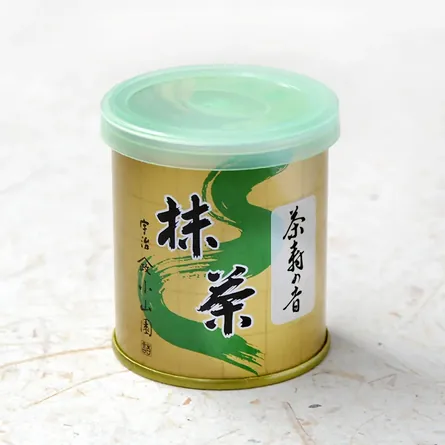
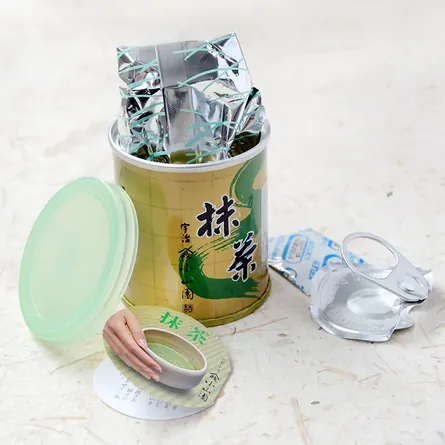
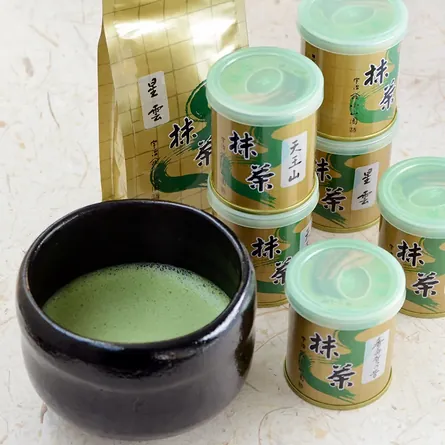
Top grade matcha tea of Yamamasa Koyamaen
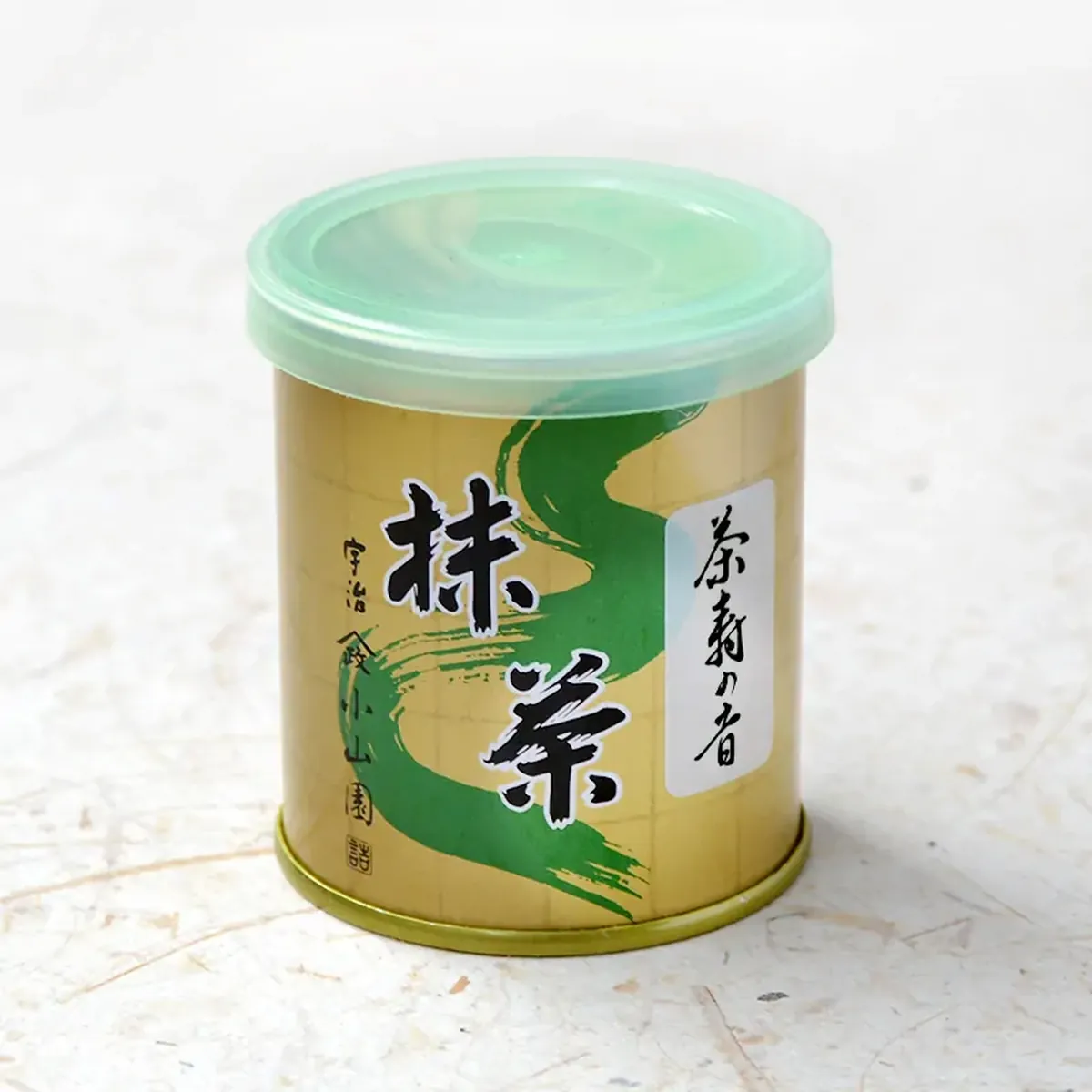
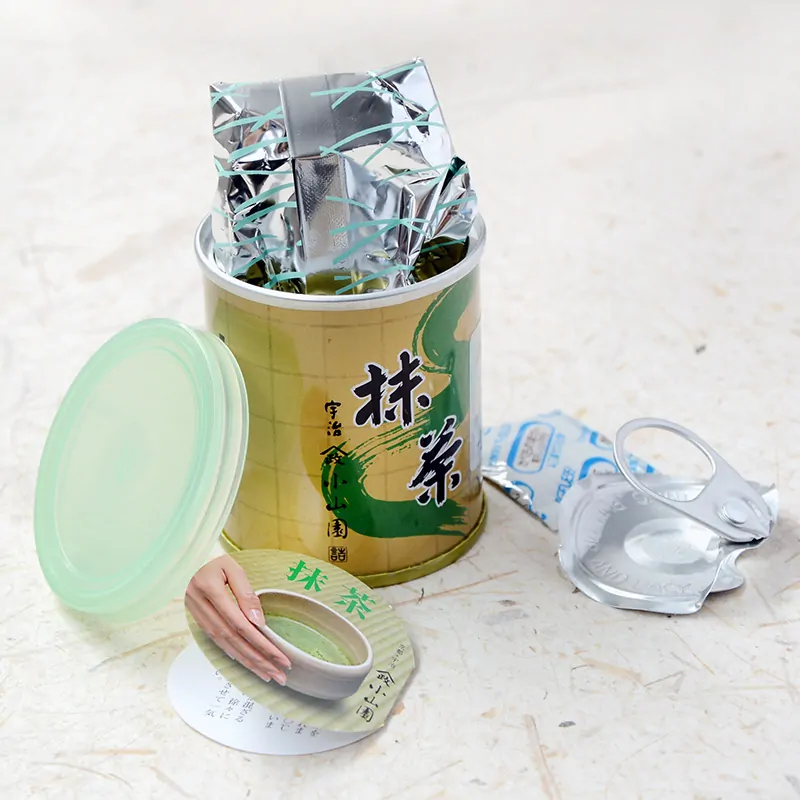
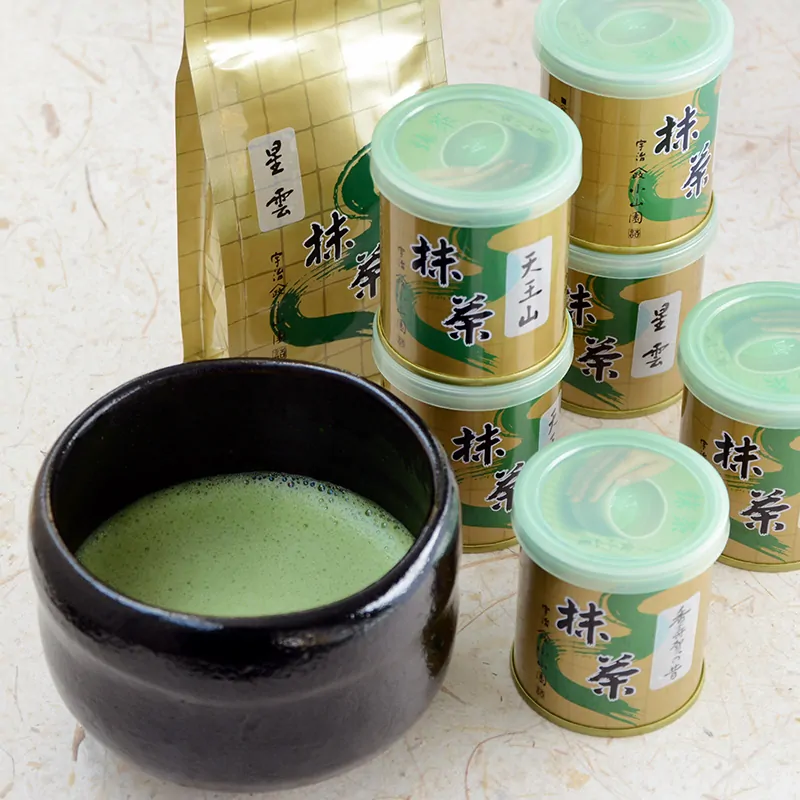

Best-before: Nov, 2026 - In stock and ready to ship
Koicha (thick tea) grade Uji matcha.
Origin: Kyoto Prefecture, Japan
A uniquely delicious, incredibly mild and pleasant matcha, with a flavour offering a highly intense, yet magically light body. Its creamy, full-bodied aftertaste lingers for an exceptionally long time, particularly when drunk as a thick tea (koicha).
When made as a thick tea, you can sense its fresh, tender green flavours together with the aromas of toasted seeds and roasted coffee beans. Use appropriately hot water to achieve the best flavour.
The meaning of Chajyu no Mukashi "茶寿の昔" :
"Cha" (茶) is the character for tea, while "寿" (read here as "jyu") connotes long life and the celebration of auspiciousness.
◆The general notes of the usage of "mukashi" and "shiro":
The expressions "Mukashi" and "Shiro" at the end of tea names have a grading connotation and are used to distinguish between thick and thin teas, respectively.
Only "Mukashi" was likely to have been used originally, with the expression "Shiro” coming into use later on.
"Mukashi" is said to be a combination of the Chinese characters for "twenty" (廿) and "day" (日). Crucially, March 20th (廿日) of the lunar calendar is when it was said that the very best tea is picked.
"Shiro" became common during the reign of the third shogun, Tokugawa Iemitsu, and is said to have originated when the feudal lords of the time actively asked Uji tea masters to make their tea “thin" or "light". It is not clear what the expression “shiro" specifically meant at that time, but it is thought to have referred to the differences in taste, as records show that Furuta Oribe preferred dark green tea while Kobori Enshu preferred it to be lighter.
Perhaps the difference between 'dark' and 'light' tea can also be explained by the difference in the preparation methods of the tea in Uji.
Other theories as to the origins of the words “mukashi" and “shiro" exist, but it can be said with reasonable confidence that the word “mukashi" has been used since ancient times, with the word “shiro" coming into use from the Edo period onwards. Later generation tea masters then replaced the traditional word “mukashi" with the term “shiro," both of which had previously been used to describe the grades of the tea, and made it commonplace.
In any case, it is not totally clear how the times and changes in the history of the tea ceremony could have affected the meaning of “shiro" or "mukashi". However, they are words that reflect the trends and changes of the times and have been carried over to the present day.

To write a review, please log in.
(Only purchasers can write a review.)
Item code: BAZMYK001
Maker: Yamamasa Koyamaen
Origin: Kyoto Pref., JAPAN
Ingredients: green tea powder


 The customs duties do not belong to our competence. It may occur that duties have to be paid on receipt of the parcel. About the current rates of customs duties in your country please contact local authority. To learn about international shipping, read more here.
Posting time can vary due to the manufacturers capacity, Japanese national holidays, as well as natural disasters or accidents, etc., and we can not guarantee posting dates.
Albania
Algeria
Argentina
Armenia
Australia
Austria
Azerbaidjan
Bahrain
Bangladesh
Barbados
Belgium
Bhutan
Bosnia and Herzegovina
Botswana
Brunei Darussalam
Bulgaria
Cambodia
Canada
Chile
Croatia
Cyprus
Czech Republic
Denmark
Djibouti
Ecuador
Egypt
El Salvador
Estonia
Ethiopia
Faroe Islands
Fiji
Finland
France
Gabon
Georgia
Germany
Germany
Ghana
Gibraltar
Guam (USA)
Honduras
Hong Kong
Hungary
Hungary
Iceland
India
Indonesia
Ireland
Israel
Italy
Ivory Coast (Cote D'Ivoire)
Jamaica
Japan
Japan
Jordan
Kenya
Kuwait
Kyrgyzstan
Laos
Latvia
Liechtenstein
Lithuania
Luxembourg
Macau
Macedonia
Madagascar
Malaysia
Maldives
Malta
Mauritius
Mexico
Moldova
Monaco
Mongolia
Montenegro
Morocco
Myanmar
Nepal
Netherlands
New Caledonia (French)
New Zealand
Nigeria
Norway
Pakistan
Panama
Papua New Guinea
Paraguay
Peru
Philippines
Poland
Portugal
Puerto Rico
Qatar
Reunion Island
Romania
Rwanda
San Marino
Saudi Arabia
Senegal
Serbia
Sierra Leone
Singapore
Sint Maarten
Slovak Republic
Slovenia
South Africa
South Korea
Sri Lanka
Sudan
Sweden
Switzerland
Tahiti (French Polynesia)
Taiwan
Tanzania
Thailand
Togo
Tonga
Trinidad and Tobago
Tunisia
Uganda
Ukraine
United Arab Emirates
United Kingdom
United Kingdom
United States of America
United States of America
Uruguay
Uzbekistan
Venezuela
Vietnam
Zimbabwe
Should you have any questions, please do not hesitate to contact us
USUCHA
STEP 1: Place 1.5–2 g (approx. ½ tsp or 2 chashaku (traditional tea scoop)) of matcha powder into a suitable tea bowl.
STEP 2: Pour 70 ml (2.4 fl oz) of 80°C (176°F) water over the powder.
STEP 3: Whisk (vigorously) with a chasen (tea whisk) until frothy.
❖ Warm the tea bowl with hot water first, then dry it thoroughly with a cloth. This helps maintain the ideal temperature and brings out the fresh aroma of the matcha.
❖ Sift the matcha powder through a fine strainer before use to prevent clumping (strongly recommended).
❖ Drink the matcha immediately after preparing it, as it may become more bitter as it cools.
❖ After opening the matcha packaging, consume all the tea within one month for the best experience.
KOICHA
STEP 1: Place 3.5–4 g (approx. 1 tsp or 4 chashaku (traditional tea scoop)) of matcha powder into a suitable tea bowl.
STEP 2: Pour 30 ml (2.4 fl oz) of 80°C (176°F) water over the powder.
STEP 3: Gently mix with a chasen until creamy.
❖ Warm the tea bowl with hot water first, then dry it thoroughly with a cloth. This helps maintain the ideal temperature and brings out the fresh aroma of the matcha.
❖ Sift the matcha powder through a fine strainer before use to prevent clumping (strongly recommended).
❖ Drink the matcha immediately after preparing it, as it may become more bitter as it cools.
❖ After opening the matcha packaging, consume all the tea within one month for the best experience.
Entry grade usucha (thin matcha), also perfect for flavoring soft drinks