
Customers who bought this item also bought
-


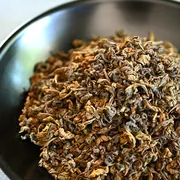
Unique, golden color sencha grown only in one plantation in Shizuoka
$11.34 / 15 g
 BREAKING NEWS:
Nov 10, 2026
Please note that the Advent Calendar tea selection will no longer be available. Thank you for supporting this cherished tradition over the years! Instead, we invite you to welcome the New Year with our Happy Boxes, available starting in December, featuring a delightful tea selection. We hope you'll enjoy it!
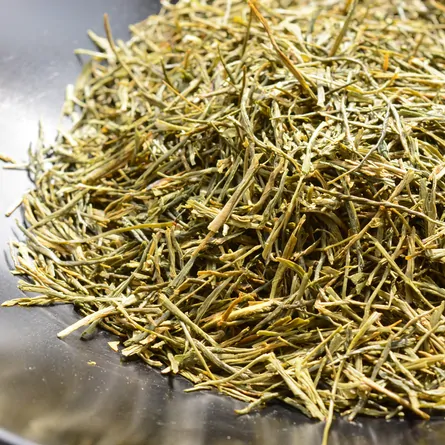


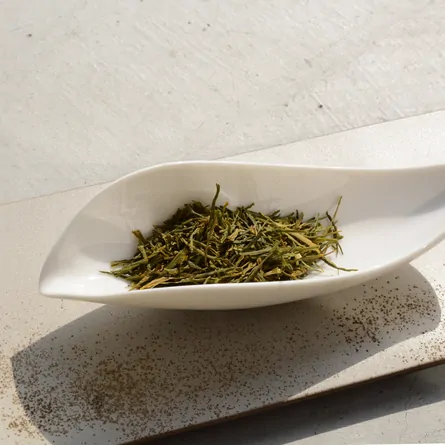
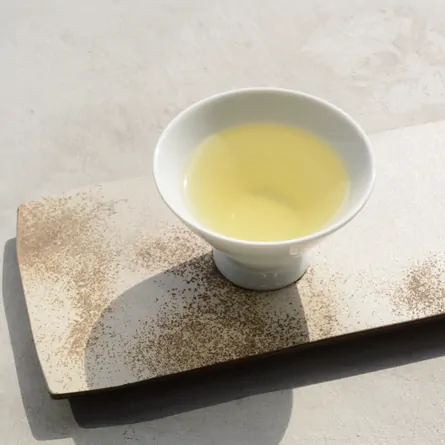
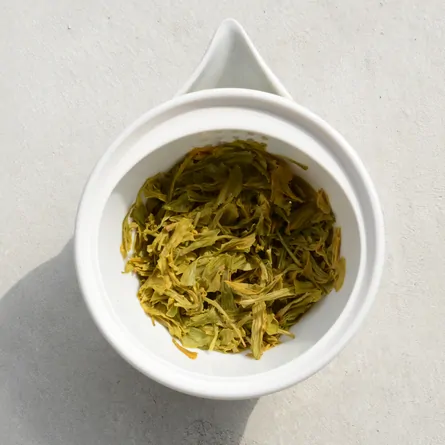
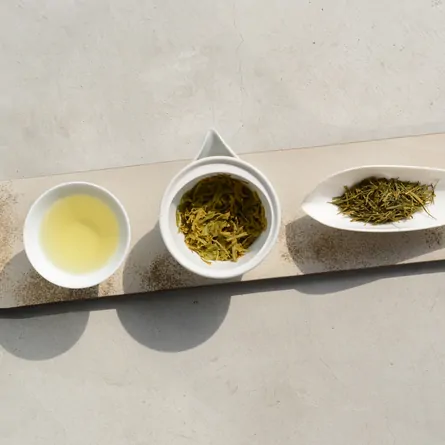

Unique, golden color sencha grown only in one plantation in Shizuoka

The birth of a new tea cultivar:
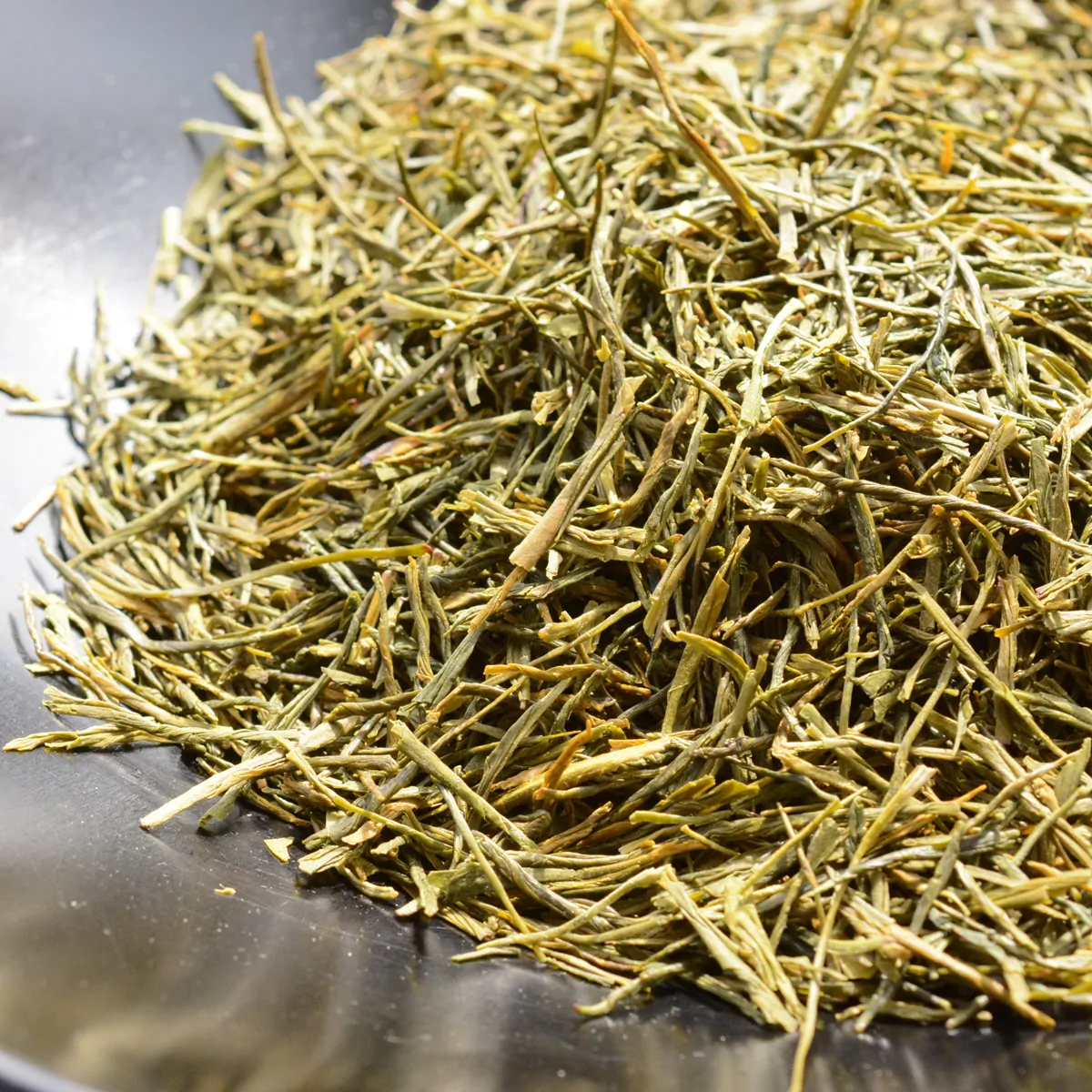
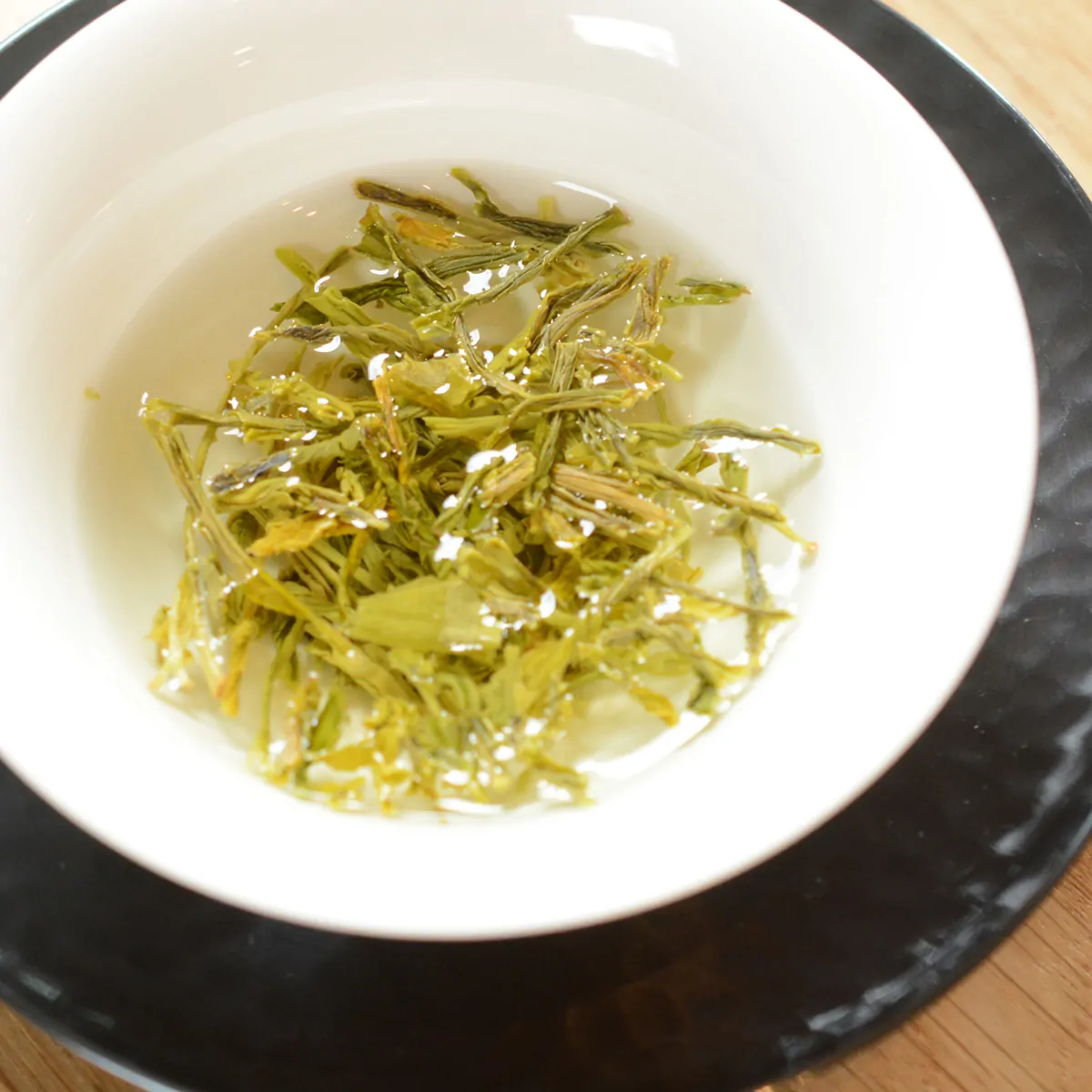
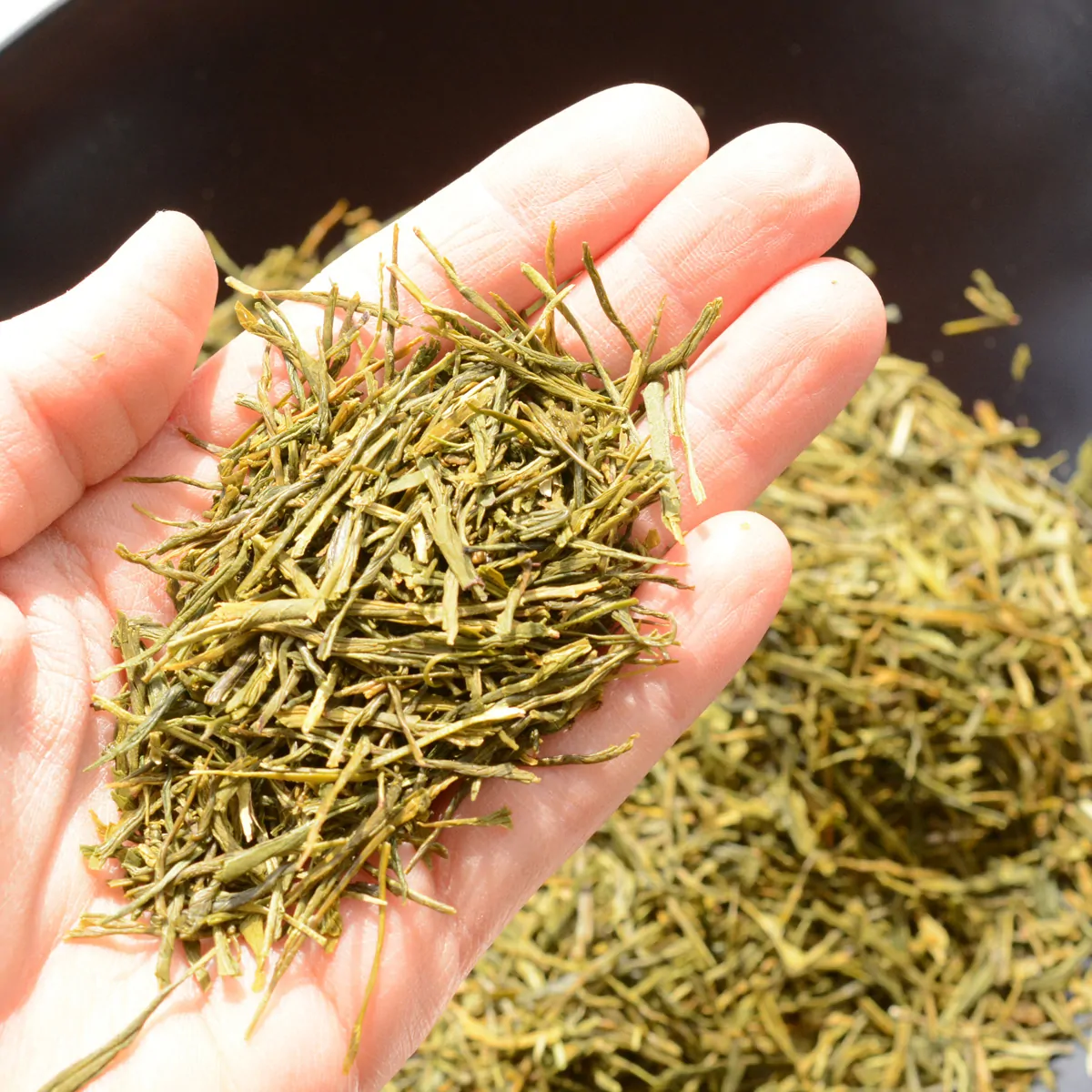
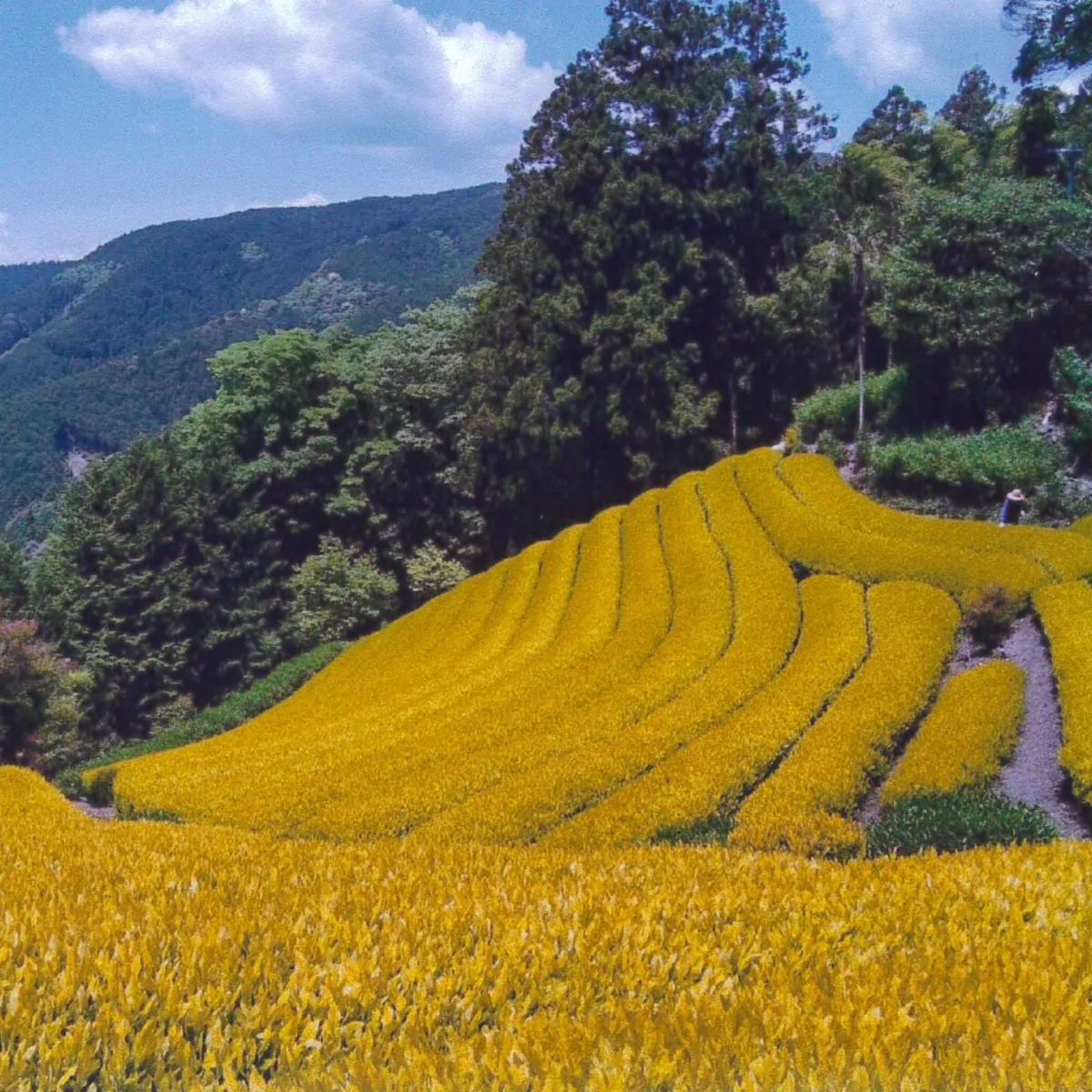
About 30 years ago in an ordinary tea plantation in Shizuoka, one tea bush mutated, and its leaves, instead of lush green, turned to bright gold. Sato Hiromitsu, the owner of the plantation saw the unique chance and decided to cultivate more from the new-found golden leaf tree. He noticed that the more the leaves are exposed to the Sun, the brighter gold they turn. He named the new cultivar "Kogane Midori", "golden green", and cultivated that one little tea bush into an entire plantation. What we see now deep in the mountains of Shizuoka, an entire plantation shining in sunshine gold, is the result of his 30 years of special care and hard work.
The benefits of Kogane Midori:
Kogane Midori's leaves are not only rare and beautiful but also contain more amino acids than regular green tea cultivars. The umami is exceptionally strong, and to bring out the distinctive character, we need a unique brewing method. This tea can be infused several times, but the first brew is the clearest and most enjoyable.
Taste notes:
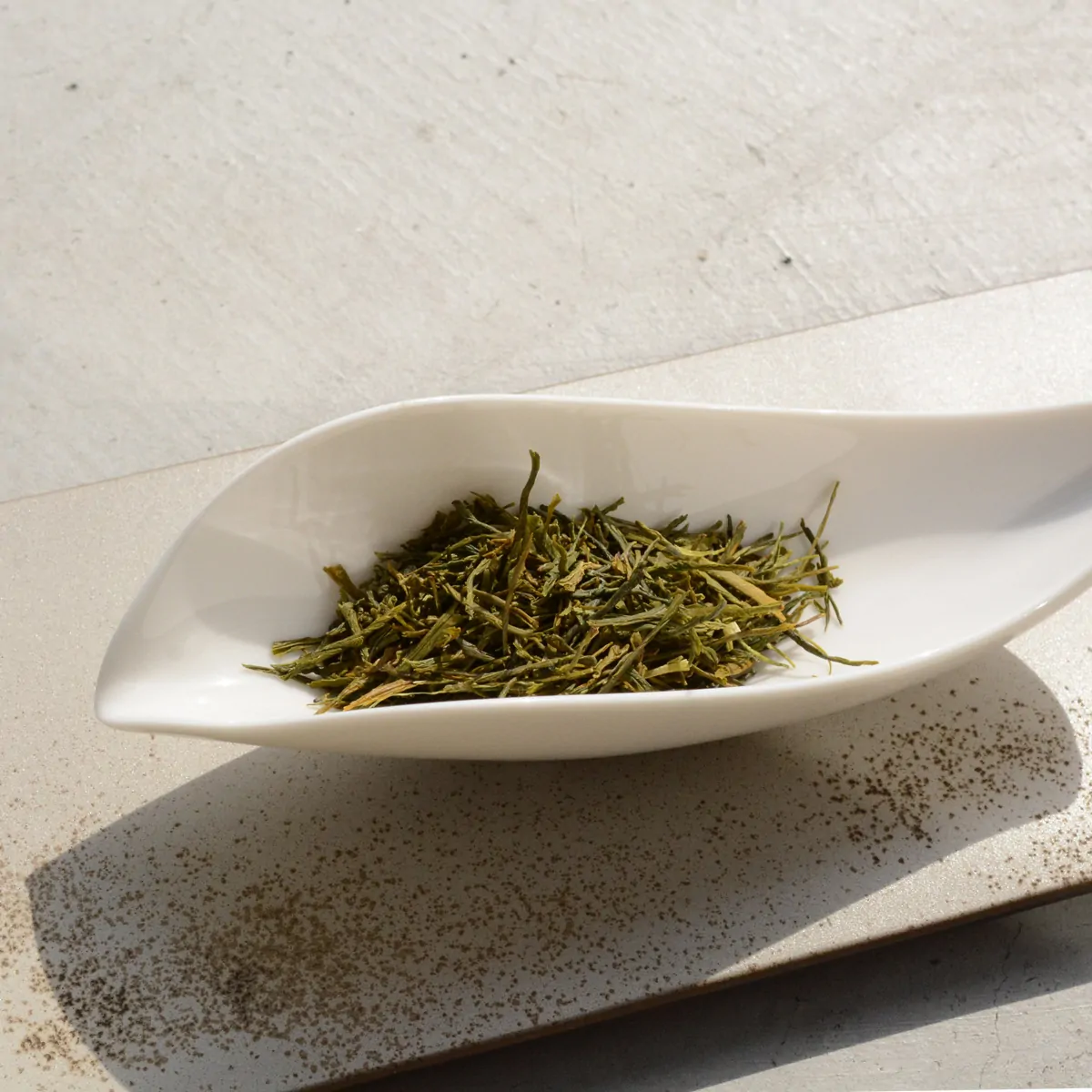
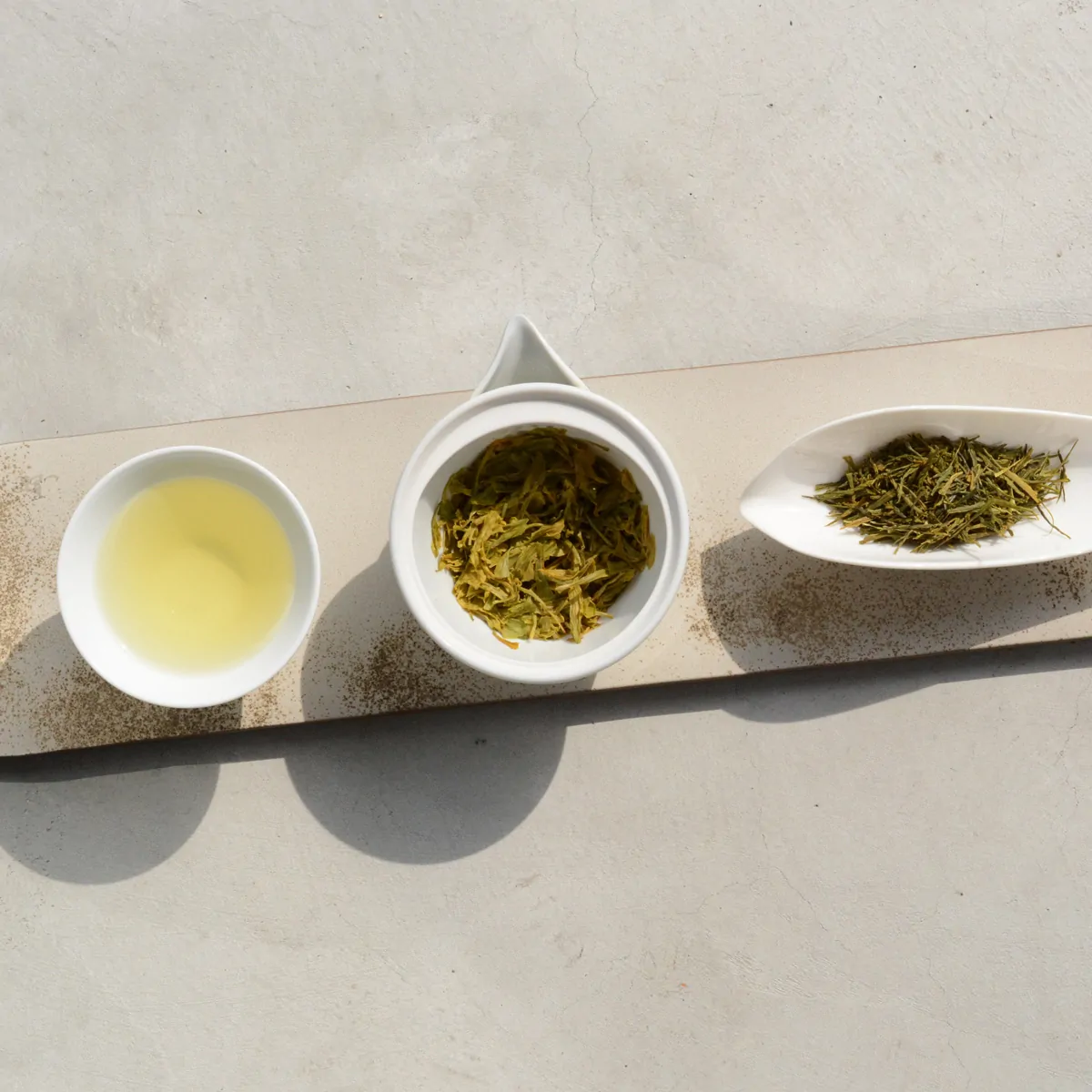
This sencha is distinctive. The warm, dry leaf in the kyusu smells of fresh cucumber, a light herbal note, and a deep savoriness that recalls the scent of cereal. After the first brew, the aroma is honeyed and sweet, with a little chamomile note. It is rich in umami.
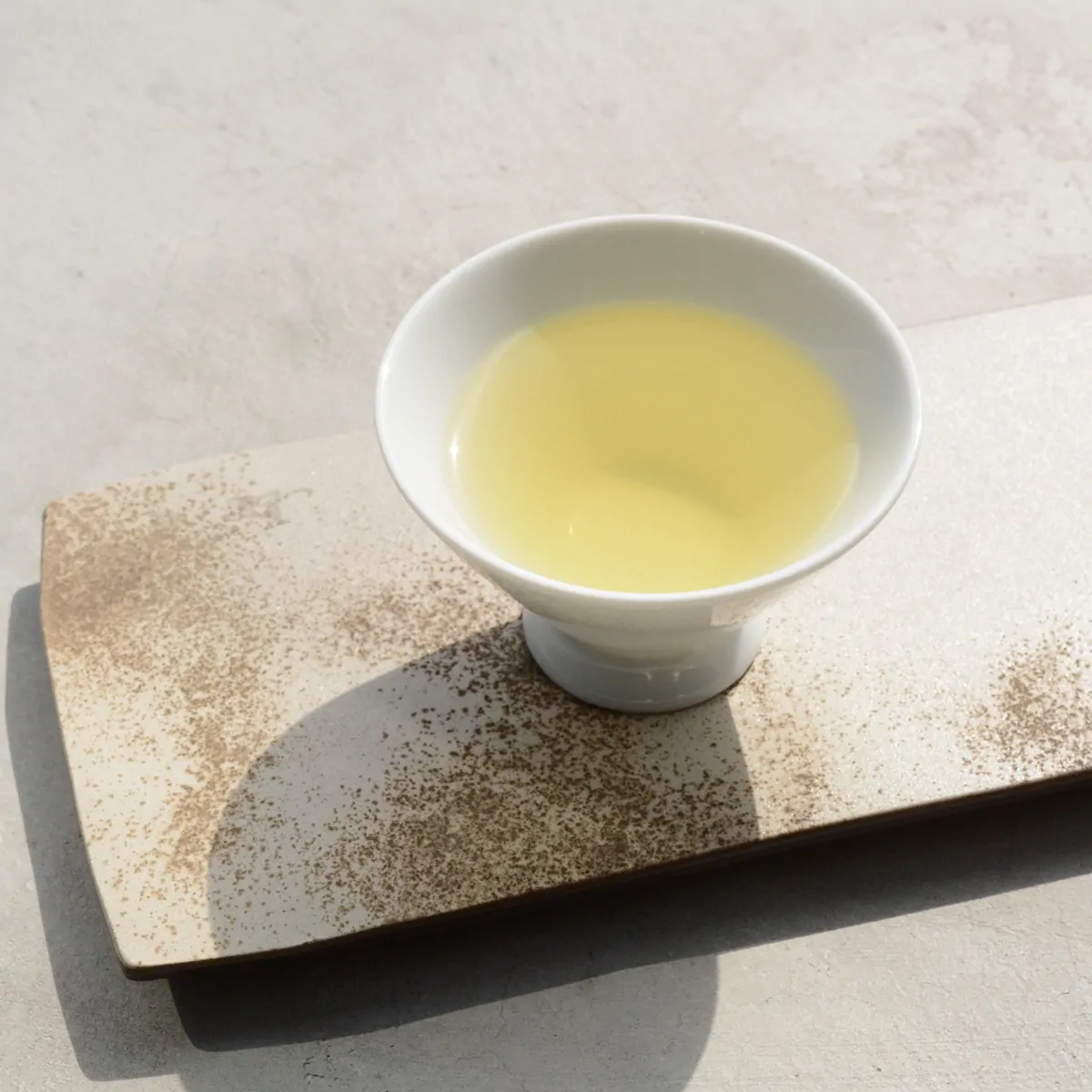
The first infusion is the clearest and most enjoyable: sweet and silky, with a refreshing vegetal and almond character. It is not a shaded tea, yet it has the dense, umami-rich feel of a gyokuro. Later infusions shift. The second can show a touch of bitter chocolate and grassy notes. By the third, the cup is grassier, with an herbal tone and pleasant bitterness.
These later brews are still interesting, but they ask for a practiced hand. The first brew is the one to savor slowly; it is the easiest and most complete expression of the leaf. Kogane Midori does not taste like other sencha. It is its own tea, a gift of the mutation that produced the golden leaf.
Brewing suggestions:
- Following Mr. Sato's instructions, for the first brew it is best to brew the tea in a 1 g:10 ml ratio, like a stronger Gyokuro. So, for 3g it is best to use 30 ml of water, for 5 g, 50, and so on. The first infusion should be long, about 2.5 minutes in 20℃ water. (We recommend using spring water directly, not water that has boiled and cooled down once)
To enjoy the rich umami that this tea can present, we highly recommend this brewing method for the first infusion.
From the second infusion onwards, the water temperature can be raised and the steeping time shortened.
- From the second brew, you can also brew it similarly to a classical Japanese sencha, so it can go with 30 seconds of steeping in 80℃ water
We offer two other amazing teas from this special Kogane Midori cultivar: Kogane Midori Gabaroncha and Kogane Midori Hōjicha.
Origin: Morokozawa, Aoi-ku, Shizuoka City
Altitude: 500 meters
To write a review, please log in.
(Only purchasers can write a review.)
Item code: TNP093
Origin: Shizuoka Pref., JAPAN
Ingredients: green tea
Best before: JUL / 2027


 The customs duties do not belong to our competence. It may occur that duties have to be paid on receipt of the parcel. About the current rates of customs duties in your country please contact local authority. To learn about international shipping, read more here.
Posting time can vary due to the manufacturers capacity, Japanese national holidays, as well as natural disasters or accidents, etc., and we can not guarantee posting dates.
Albania
Algeria
Argentina
Armenia
Australia
Austria
Azerbaidjan
Bahrain
Bangladesh
Barbados
Belgium
Bhutan
Bosnia and Herzegovina
Botswana
Brunei Darussalam
Bulgaria
Cambodia
Canada
Chile
China
Croatia
Cyprus
Czech Republic
Denmark
Djibouti
Ecuador
Egypt
El Salvador
Estonia
Ethiopia
Faroe Islands
Fiji
Finland
France
Gabon
Georgia
Germany
Germany
Ghana
Gibraltar
Guam (USA)
Honduras
Hong Kong
Hungary
Hungary
Iceland
India
Indonesia
Ireland
Israel
Italy
Ivory Coast (Cote D'Ivoire)
Jamaica
Japan
Japan
Jordan
Kenya
Kuwait
Kyrgyzstan
Laos
Latvia
Liechtenstein
Lithuania
Luxembourg
Macau
Macedonia
Madagascar
Malaysia
Maldives
Malta
Mauritius
Mexico
Moldova
Monaco
Mongolia
Montenegro
Morocco
Myanmar
Nepal
Netherlands
New Caledonia (French)
New Zealand
Nigeria
Norway
Pakistan
Panama
Papua New Guinea
Paraguay
Peru
Philippines
Poland
Portugal
Puerto Rico
Qatar
Reunion Island
Romania
Rwanda
San Marino
Saudi Arabia
Senegal
Serbia
Sierra Leone
Singapore
Sint Maarten
Slovak Republic
Slovenia
South Africa
South Korea
Sri Lanka
Sudan
Sweden
Switzerland
Tahiti (French Polynesia)
Taiwan
Tanzania
Thailand
Togo
Tonga
Trinidad and Tobago
Tunisia
Uganda
Ukraine
United Arab Emirates
United Kingdom
United Kingdom
United States of America
United States of America
Uruguay
Uzbekistan
Venezuela
Vietnam
Zimbabwe
Should you have any questions, please do not hesitate to contact us
 |
 |
 |
 |
| 5 g 0.2 oz 1.2 US tsp |
20°C 68°F |
50 ml 1.7 fl oz 50 cc |
150 sec.~ |
STEP 1) Fill your pot with tea leaves in a 1g/10ml ratio.
STEP 2) Pour room-temperature water into the teapot, and brew for 5 minutes.
STEP 3) Pour the tea into cups, and serve.
STEP 4) Brew again. The same tea leaves can be infused eight times. Use hotter water from the third infusion, and steep it for a shorter time.
❖ This is how we recommend brewing this tea, but we all have our preferences, so try experimenting to find the way you like it the best.
To write a review or comment, please log in.
For new registration, please click here.
Ni******, 2025-05-27 14:17 JST, BULGARIA
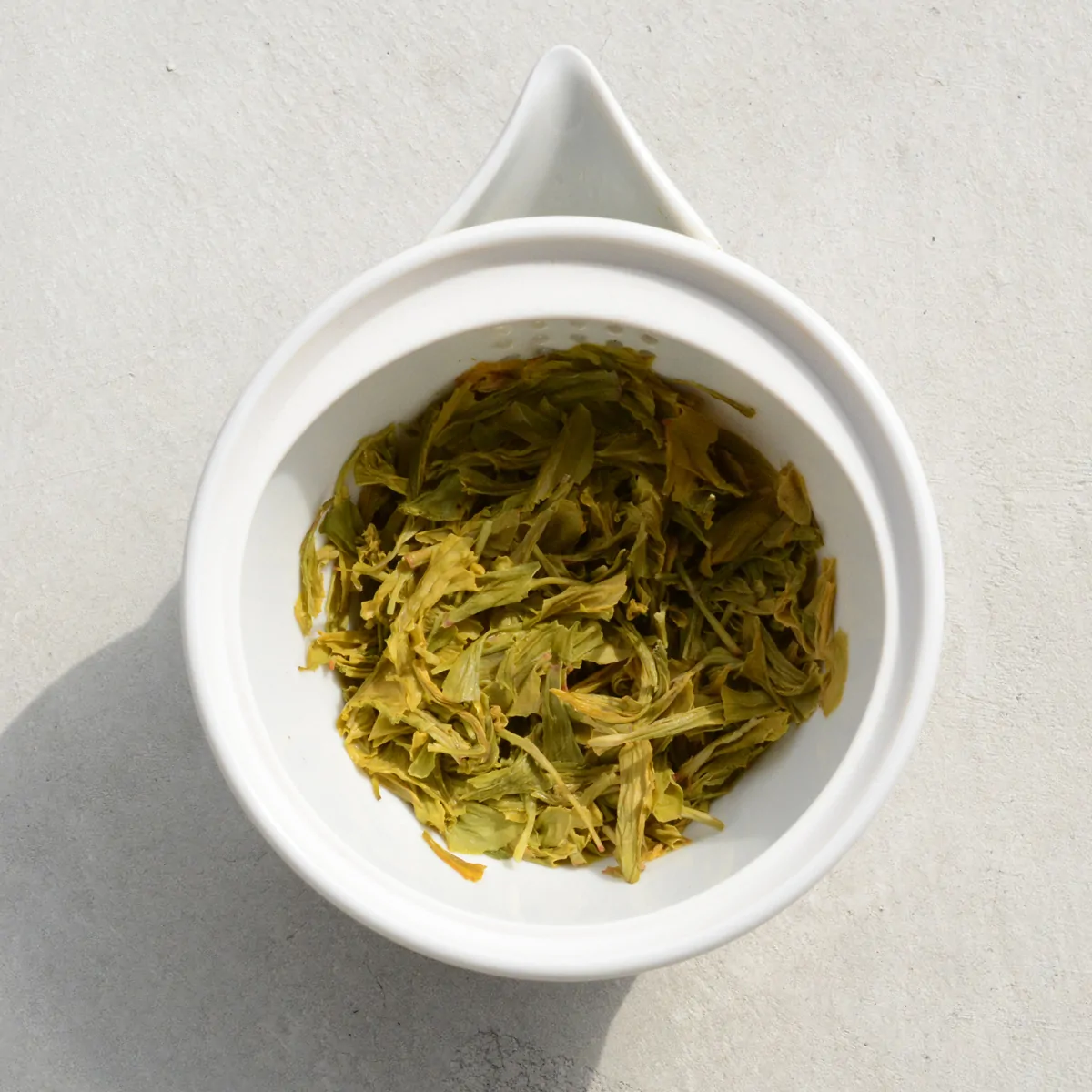
I must say that I’m impressed. Definitely a really interesting one. Even looking at the dry and especially the wet leaves brings a feeling of satisfaction. Taste was something of a mix between regular sencha and gyokuro, yet with a character of its own. Very strong umami, mixed with sweet fruitiness. Very silky smooth and absolutely no unpleasant astringency or bitterness. I brewed it according to manufacturer suggestion: 3g for 30ml water; 1st 25oC 5min; 2nd 25oC 5min; And then I decided on 3rd 50oC 1min; 4th 50oC 1min; 5th 60oC 1min; 6th 70oC 2min; 7th 80oC 2min; 8th 80oC 3min. Taste remained distinct and full of character throughout. Therefore, I decided to experiment and do a final 9th infusion with 90oC for 5min. This one also turned out excellent. My only regret is that I only got 20g of it.

Ro******, 2023-11-17 08:42 JST, GERMANY
Amazing tea. Very sweet, smooth, umami rich. Tastes like gyokuro but less grassy, has notes of gaba sencha, has a spicy (but not bitter) tonic water aftertaste on the tongue. The color is unique yellow.

Jo******, 2023-05-13 01:16 JST, UNITED STATES OF AMERICA
This stuff is really good. Like, REALLY good. I wish it were available in larger bags than 20g, but I understand there’s a limited source for it. It has the taste I wish all Sencha did. It IS more fruity, full bodied, vibrant without the strong umami of Gyokuro; this is a perfect in-between. The leaves are also a real delight to look at. Using this in a Shiboridashi is a real treat. I don’t really want to keep any others on hand now; this is the one. For brewing, I find 1g/10ml is a *bit* to much. .667g/1ml works best for me, and i follow the other guidelines perfectly.
Ki******, 2023-03-05 12:52 JST, SINGAPORE
Tried it at 80 degree / 45 sec. Gave me a different vibe from other sencha. One thing I can say is, you will not regret purchasing this. Only pity is Sazen only have 20g package, would love to purchase this at 100g or more. Please go ahead and try it if you are still considering
Unique, golden color sencha grown only in one plantation in Shizuoka


