BREAKING NEWS:Apr 26, 2026Please note that our office operations and package shipping will be paused from May 2 to MAY 10 due to Golden Week and the Shincha Holiday. Kindly allow for potential delays when placing your order. For the Shincha schedule, please CLICK HERE About our system updates and operational improvements, you can read HERE.
Verdant and vegetal kabusecha from Asamiya, Shiga Pref.
A single origin kabusecha from Okuyutaka cultivar.
TASTE NOTES
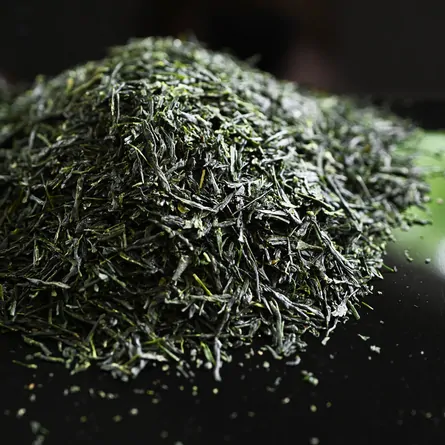
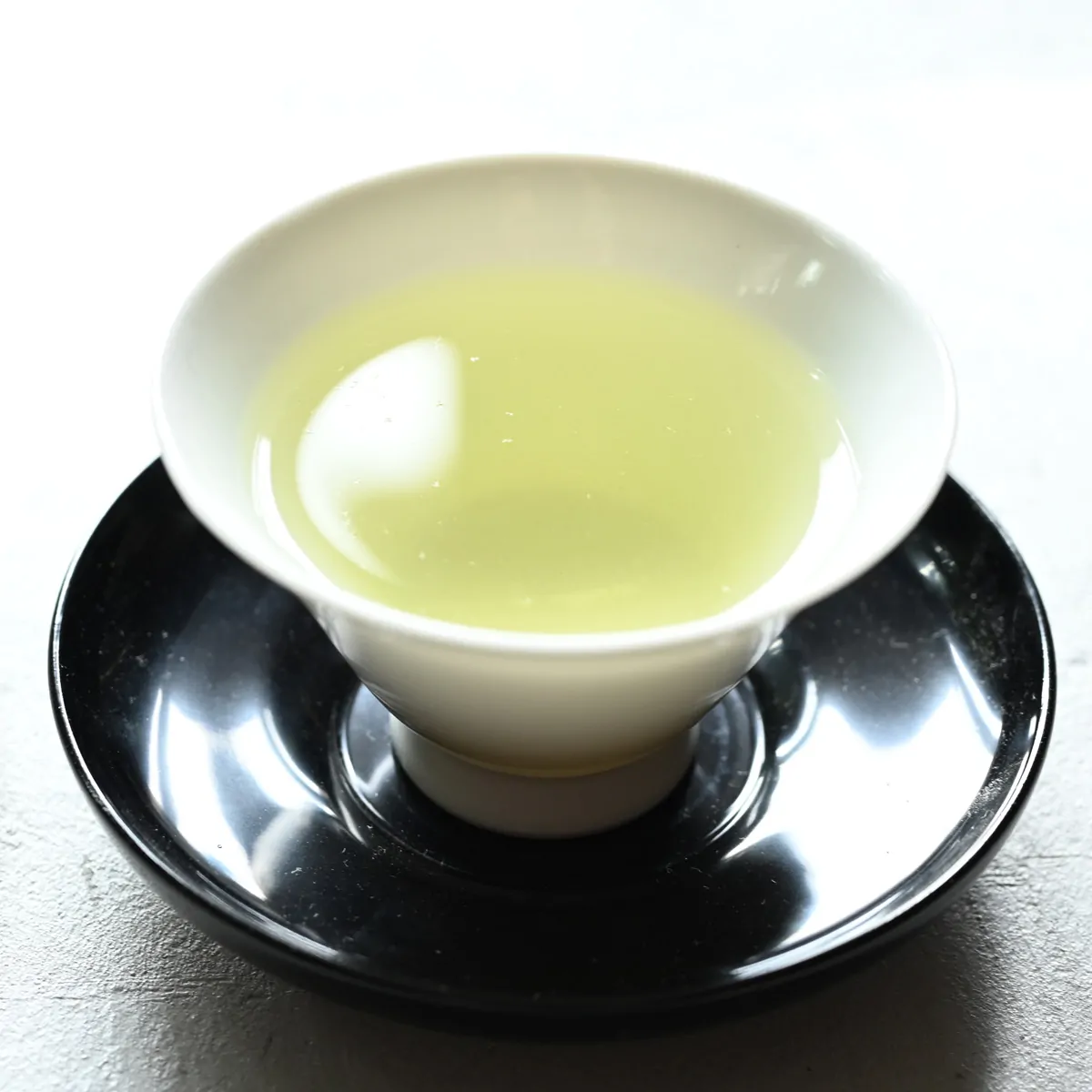
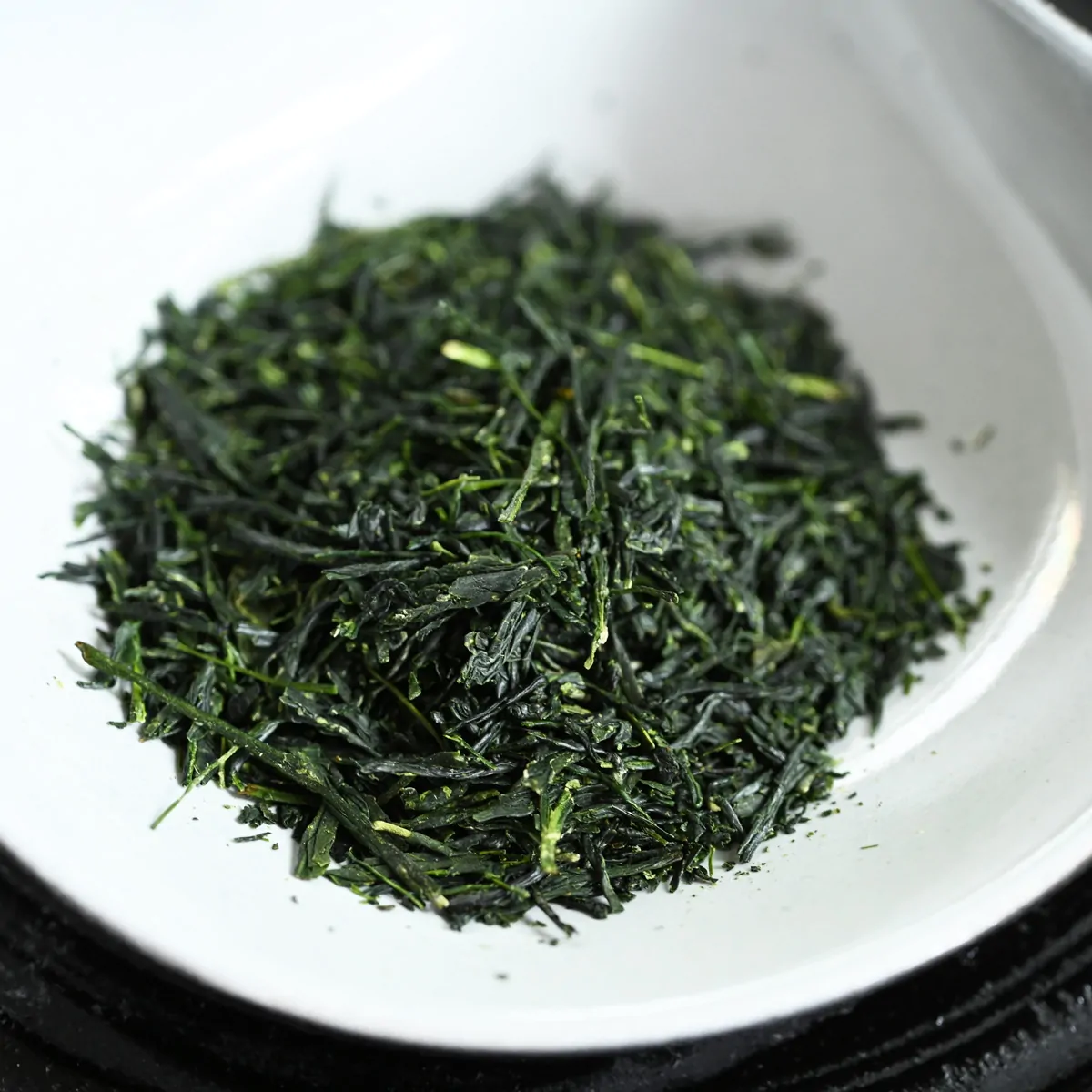
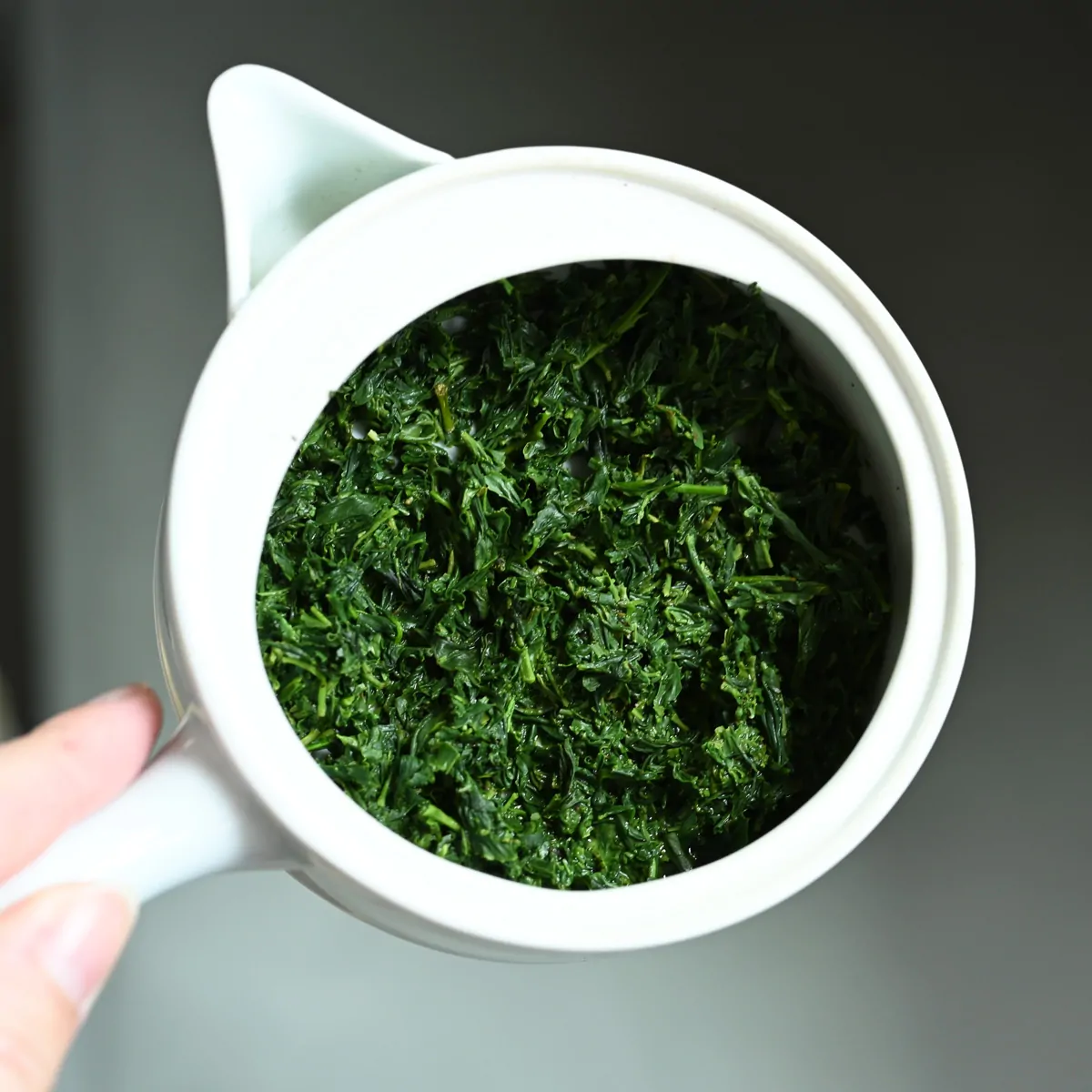
The leaves give off a fresh, green aroma, and the flavor is also light-bodied, sweet, and distinctly vegetal. The flavor reminds of cucumbers and fresh lettuce. Overall, it is a verdant and bold tea, refreshing and energizing.
The second infusion is even greener in character, with a subtle savory edge, and the umami becomes more pronounced.
Kabusecha is a variety of Japanese green tea that is grown under partial shade prior to harvesting. The term "kabusecha" translates to "covered tea" or "shaded tea." Kabusecha is a versatile tea, you could say it’s a little bit of everything in one cup. It has the rich, brothy depth of gyokuro and can even be brewed like one. But as you steep it a second or third time, it transforms, revealing the fresh, vibrant character of unshaded sencha.
Place of Origin: Tongu Tea Garden, Koka city, Shiga Pref., Japan
Cultivars: Okuyutaka
Shading: 16 days
Ohmi tea has great prestige and is loved by many for its rich flavor and fragrance, which are brought about by the rich nature, plenty of sunshine and the beautifully clean waters and air coming from the surrounding Suzuka mountains.
According to the legends, Zen monks brought the first tea seeds to the area in the 14th century from Kyoto, so zen temples cultivated Ohmi tea first. Thanks to its characteristic aromas, by the 19th century, it became much in demand, even for export.
Reviews:
To write a review, please log in. (Only purchasers can write a review.)
Share this page with your friends:
Item code: TNP137
Origin: Asamiya, Shiga Pref., Japan
Ingredients: green tea
Best before: NOV / 2026
SHIPPING DETAILS
Ship to:
Worldwide (List of Countries)
Delivery service:
DHL, FedEx, Yamato Transport, Yu-Pack, S.F. Express, Pick-Up (See conditions)
Estimated posting:
within 3 business days
Payments:
• PayPal • Bank card payment • Bank transfer • Cash on delivery (Learn more here)
The customs duties do not belong to our competence. It may occur that duties have to be paid on receipt of the parcel. About the current rates of customs duties in your country please contact local authority. To learn about international shipping, read more here.
Posting time can vary due to the manufacturers capacity, Japanese national holidays, as well as natural disasters or accidents, etc., and we can not guarantee posting dates.
List of Countries
Albania Algeria Argentina Armenia Australia Austria Azerbaidjan Bahrain Bangladesh Barbados Belgium Bhutan Bosnia and Herzegovina Botswana Brunei Darussalam Bulgaria Cambodia Canada Chile Croatia Cyprus Czech Republic Denmark Djibouti Ecuador Egypt El Salvador Estonia Ethiopia Faroe Islands Fiji Finland France Gabon Georgia Germany Germany Ghana Gibraltar Guam (USA) Honduras Hong Kong Hungary Hungary Iceland India Indonesia Ireland Italy Ivory Coast (Cote D'Ivoire) Jamaica Japan Japan Jordan Kenya Kuwait Kyrgyzstan Laos Latvia Liechtenstein Lithuania Luxembourg Macau Macedonia Madagascar Malaysia Maldives Malta Mauritius Mexico Moldova Monaco Mongolia Montenegro Morocco Myanmar Nepal Netherlands New Caledonia (French) New Zealand Nigeria Norway Pakistan Panama Papua New Guinea Paraguay Peru Philippines Poland Portugal Puerto Rico Qatar Reunion Island Romania Rwanda San Marino Saudi Arabia Senegal Serbia Sierra Leone Singapore Sint Maarten Slovak Republic Slovenia South Africa South Korea Sri Lanka Sudan Sweden Switzerland Tahiti (French Polynesia) Taiwan Tanzania Thailand Togo Tonga Trinidad and Tobago Tunisia Uganda Ukraine United Arab Emirates United Kingdom United Kingdom United States of America United States of America Uruguay Uzbekistan Venezuela Vietnam Zimbabwe
Should you have any questions, please do not hesitate to contact us
How to prepare
5 g 0.2 oz 1.2 US tsp
60°C 140°F
120 ml 4.1 fl oz 120 cc
60 sec.~
1. Put 5 g kabusecha into a small teapot.
2. Cool boiled water down to 60℃ (140ºF) and pour it (120 ml) into the teapot.
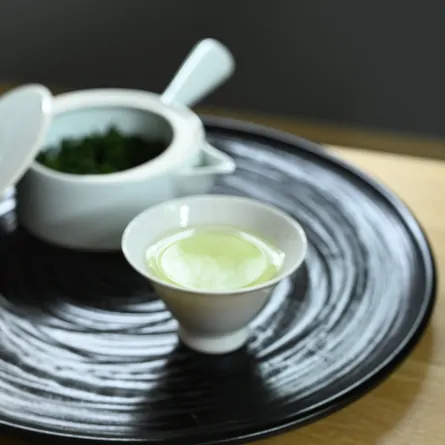
3. Steep for 60 seconds and pour an equal amount of tea into each cup.
❖ This tea goes 3 steeps. For the second and third infusions, use a bit hotter water (about 70°C) and brew shorter.
❖ This is how we recommend brewing this tea, but we all have our preferences, so try experimenting to find the way you like it the most.
We use cookies on this site for the purpose of personalising your SAZEN experience. Find out more
By clicking or navigating the site, you agree to allow our collection of information for the purpose of personalising your Sazen experience. The information is stored on your computer in so called Cookies, that you can manage or delete any time. Your trust matters to us, that's why we protect your information and use it responsibly. We are committed to the protection of your privacy and the security of your personal data. Check our Privacy Policy for detailed information on how we do that.
 BREAKING NEWS:
Apr 26, 2026
Please note that our office operations and package shipping will be paused from May 2 to MAY 10 due to Golden Week and the Shincha Holiday. Kindly allow for potential delays when placing your order. For the Shincha schedule, please CLICK HERE About our system updates and operational improvements, you can read HERE.
BREAKING NEWS:
Apr 26, 2026
Please note that our office operations and package shipping will be paused from May 2 to MAY 10 due to Golden Week and the Shincha Holiday. Kindly allow for potential delays when placing your order. For the Shincha schedule, please CLICK HERE About our system updates and operational improvements, you can read HERE.








 The customs duties do not belong to our competence. It may occur that duties have to be paid on receipt of the parcel. About the current rates of customs duties in your country please contact local authority. To learn about international shipping,


