Next >>
Reading time: 25 min.
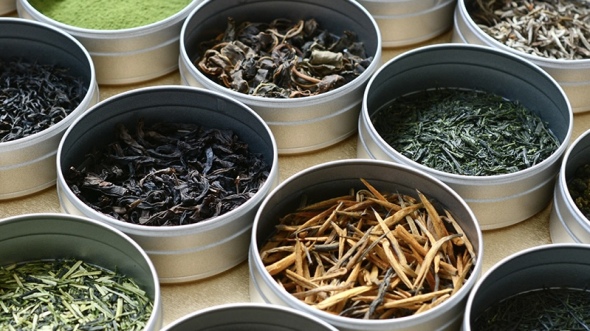
One of the gems of Kyoto Prefecture is the charming city of Uji—a small town tucked deep into a river valley where many of Japan’s immortal cultural treasures were born, most of all, one of the most iconic teas in Japan, Uji tea. Just a couple of train stops from Kyoto Station, it feels like stepping into another world entirely: slower, softer, and filled with a charm you can taste as much as see.
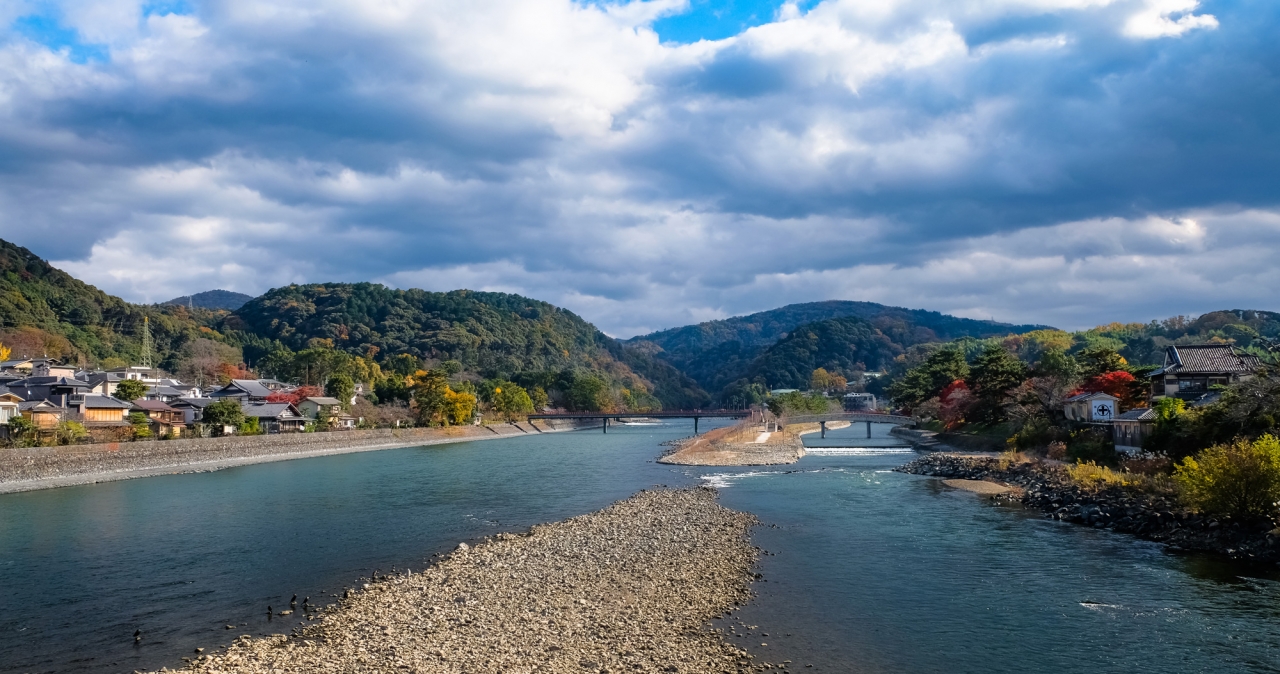
Uji means the “road of rabbits.” As the legend goes, a local deity—or in some tales, a prince—once got lost in the woods, and a magical rabbit led him out, saving his life. To show gratitude, he built a shrine, and a city grew around it. While the city now uses a different character that no longer includes rabbits, the culture is still intertwined with them, and we can find many rabbit-related souvenirs and lucky charms in Uji.
Weekends in Uji can be quite busy, so we recommend planning your trip on a weekday. Uji isn’t large, but it’s filled with things to see and do, and it’s easy to spend a whole day there, unhurried, enjoying its calm atmosphere. Opening hours vary, but most shops and temples open around 9:00 AM, while cafés and tea houses typically open at 10:00 AM. Arriving before 9 AM in the morning is a good idea if you want to make the most of your day.
The transportation is convenient, and the best way to get there is by taking the JR Nara Line from platforms 9–10 at Kyoto Station. Since this line passes through many of Kyoto’s iconic spots and continues all the way to Nara, the trains can get crowded—but Uji is not far, with a journey of about 23-24 minutes. In Uji, everything is just a short walk away, so we can wander and discover the city at a leisurely pace. Most paths are flat and easy, with just a few stairs and only a few uphill climbs.
Daily plan for an Uji trip
8:26 AM – leave from KYOTO STATION
Kyoto Station, JR Nara Line, Platform 9 - 8:26 AM train (train schedule may change, confirm in advance)
Travel Time: 24 min.
8:50 am – ARRIVE AT JR UJI STATION
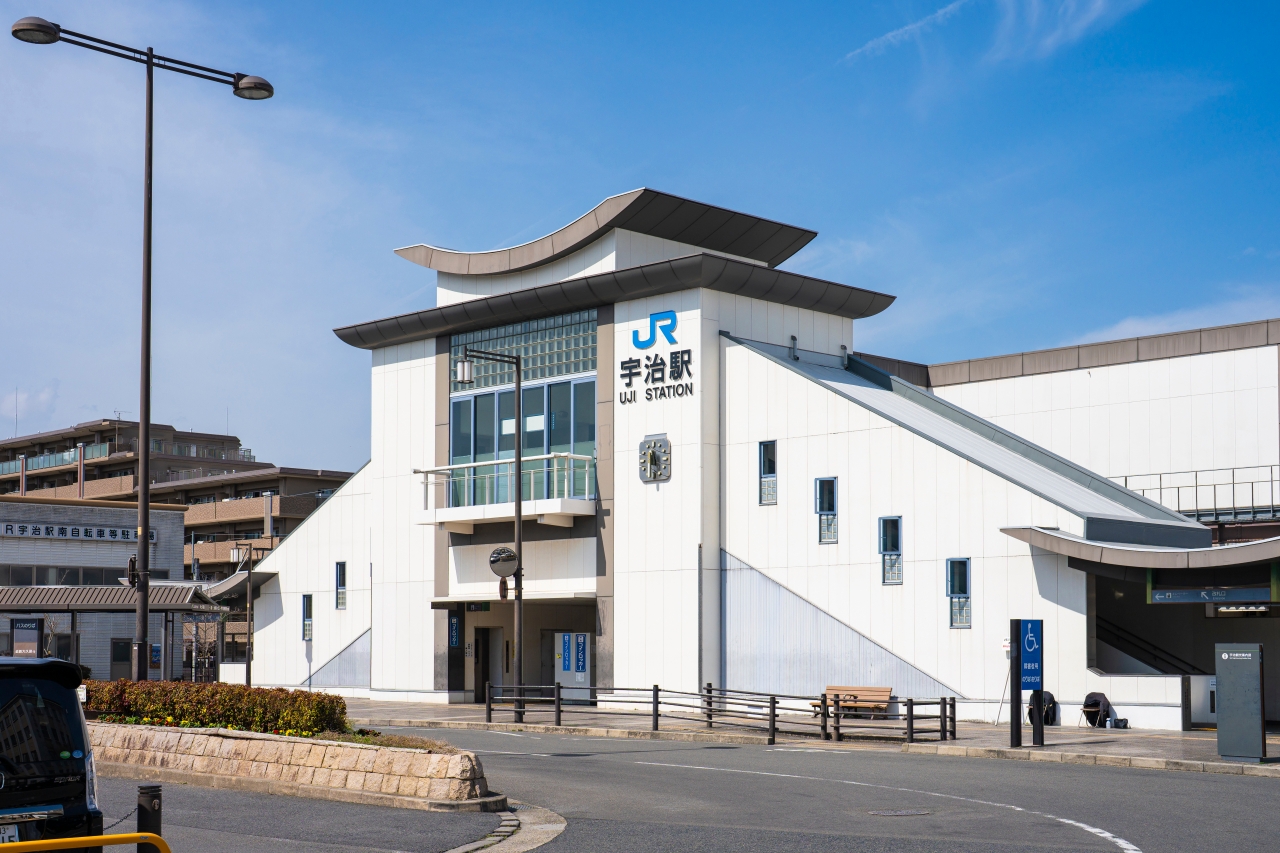
As we arrive at the station, the city greets us with its most celebrated feature: the scent of tea. The air is filled with the warm, inviting aroma of roasted green tea. Head out through the South Exit, which leads you to the river side where the old town is. Don’t walk along the main road—take a parallel street one block deeper instead, because many small tea shops and cafés are waiting to be discovered even on the way to the center.
9:15 AM – Arriving at the UJI river side
A relaxed 10-minute walk from JR Uji Station brings you to the Uji riverside sites.
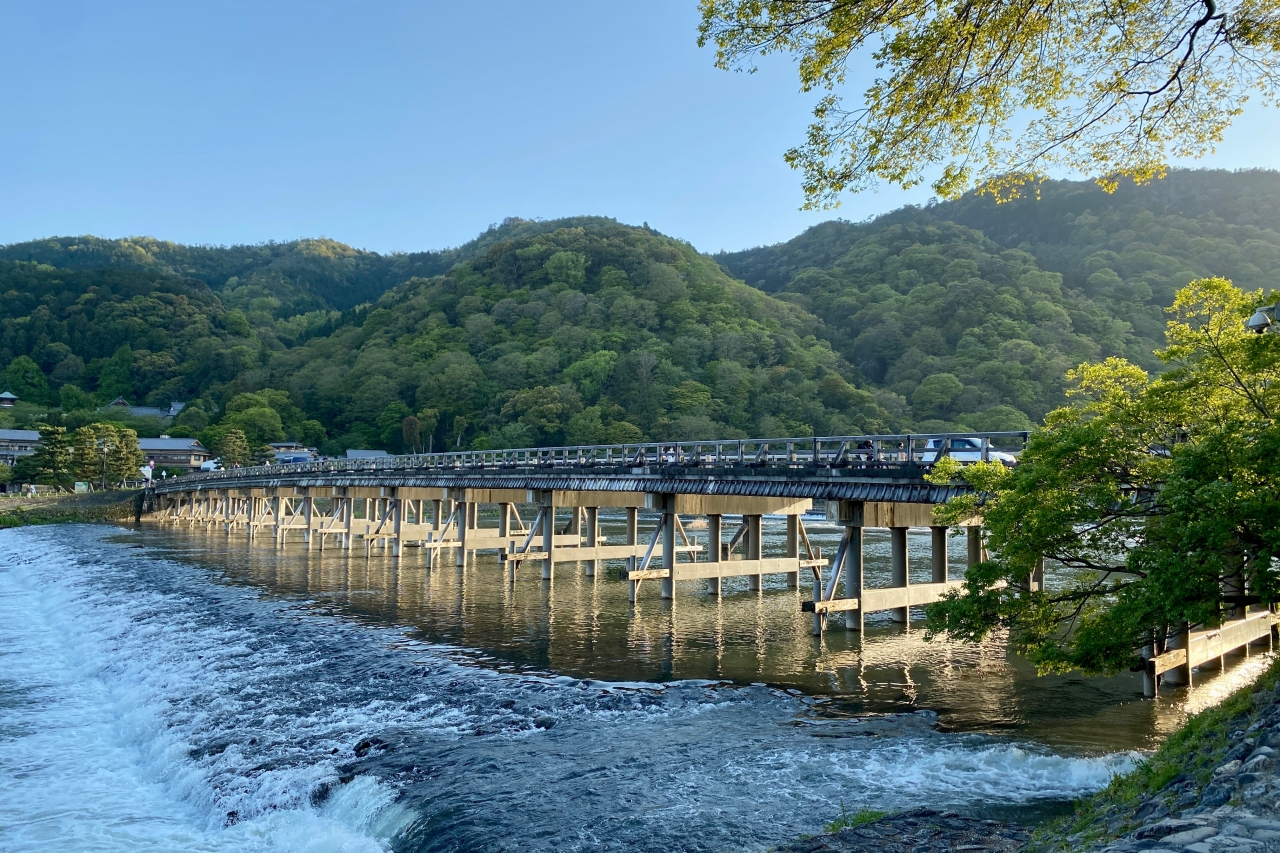
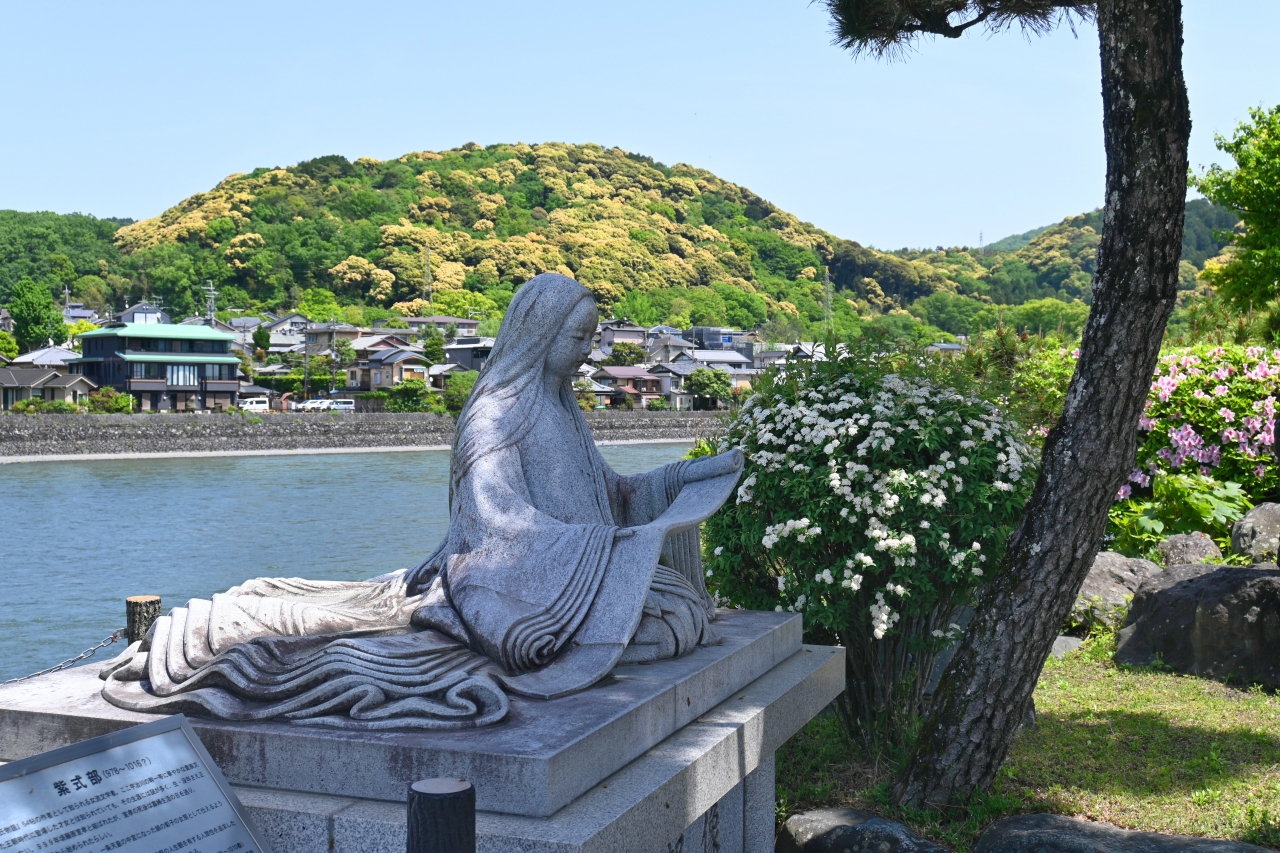
The small parallel street leads you to Uji river. The river was an important source of food and a vital part of daily life for people in the region. It was also historically crucial for transportation and communication, linking Kyoto with Osaka Bay and facilitating the movement of goods and people long before railroads existed. Just by the river stands a statue of Murasaki Shikibu, who was a Japanese noblewoman, lady-in-waiting, and writer during the Heian period (late 10th to early 11th century). Her significance in Japanese culture is enormous. She not only revolutionized Japanes writing system, she is also the author of The Tale of Genji, often considered the world’s first novel. Thanks to her works, we can imagine Uji as the lively city it was nearly a thousand years ago. Standing in front of her statue, you have a great view of the Uji Bridge, one of the oldest bridges in Japan. It not only connected the two sides of Uji, but was also the site of many decisive battles throughout history.
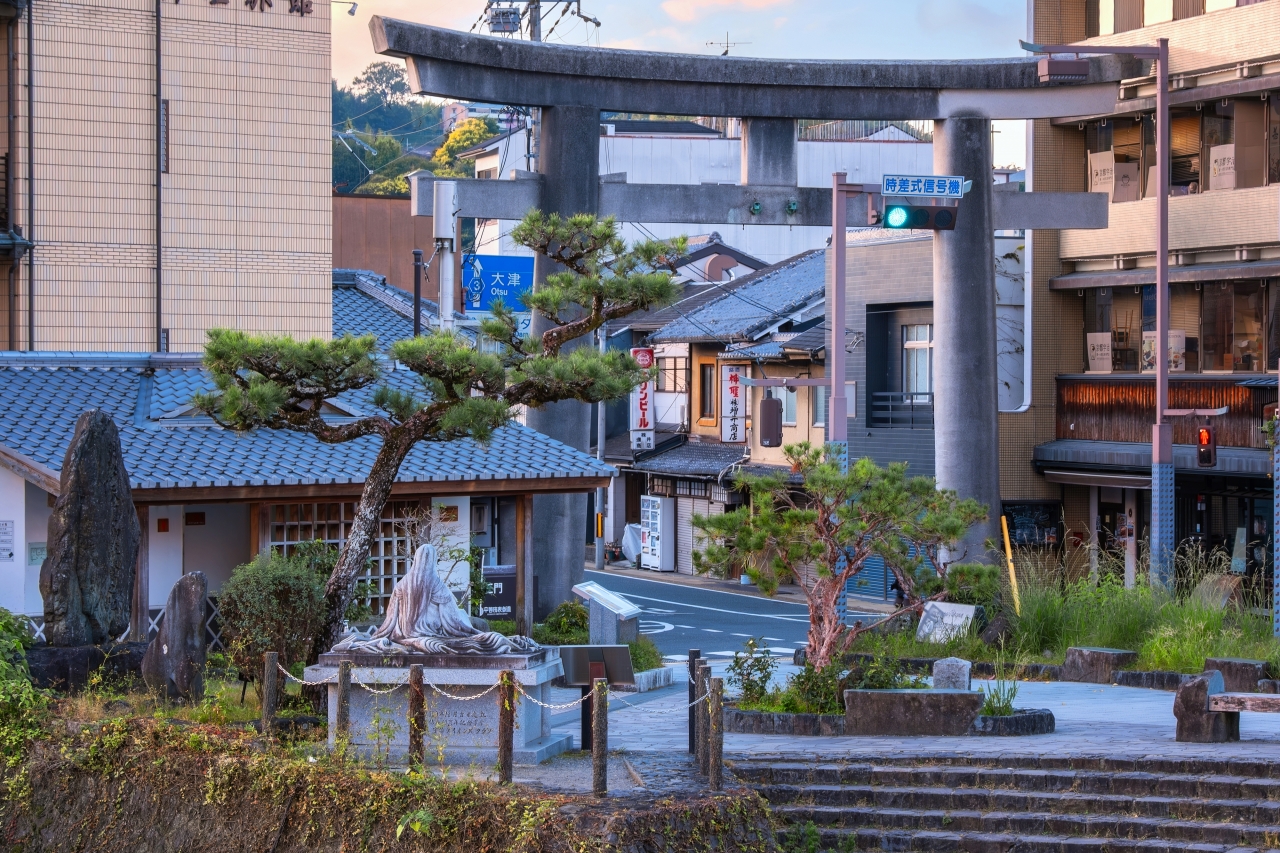
Byōdō-in Omotesandō
Here begins the Byōdō-in Omotesandō, the main road leading to one of Kyoto’s most famous Buddhist temples, Byōdō-in. On the way, you’ll find plenty of cafés, as well as tea and teaware shops, where you can choose from local teas and try regional delicacies—from modern tea desserts to traditional matcha sets.
9:30 PM – entering ByŌdŌ-in temple
It takes about a 10 minutes leisurely walk through the Byōdō-in Omotesandō to Byōdō-in temple.
Opening hours: 9.00 AM - 17.00 PM
Entrance fee: 600 yen, Amida-do/ Poenix Hall Hall: 300 yen
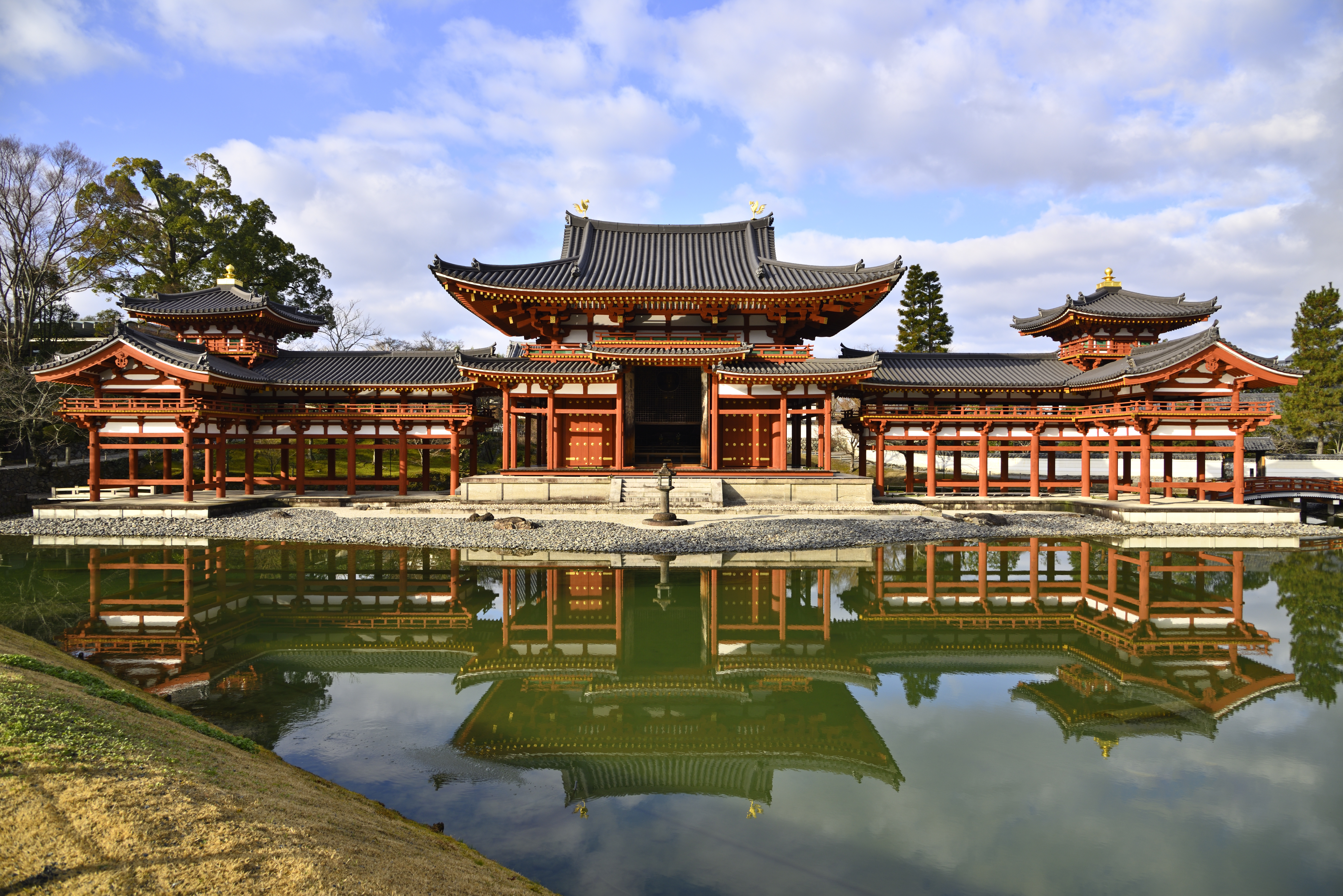
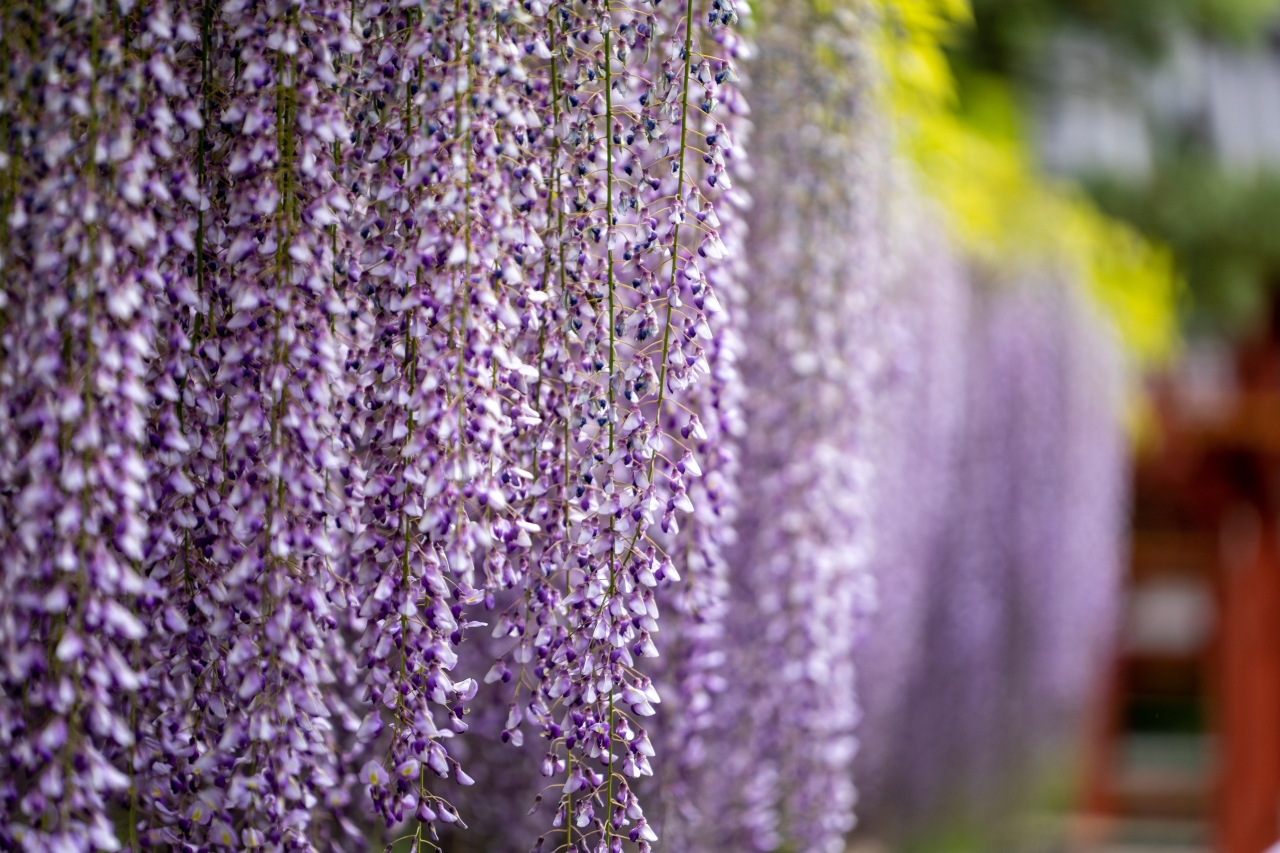 Byōdō-in is a UNESCO World Heritage site, and its main hall, the Amida-dō or Phoenix Hall, is one of the rare buildings that has survived for a thousand years without major damage, making it one of Japan’s most important cultural treasures. In the Heian period, there was a popular saying: if you do not have faith, go to Byōdō-in, and faith will find you. It was believed that the temple possessed such an ethereal beauty that, upon seeing it, it was impossible not to believe in a higher power. The Phoenix Hall’s wings, reminiscent of a phoenix spreading its wings, and its reflection in the spring water before it create a majestic beauty found nowhere else in Japan. It’s one of those places where every season offers a unique beauty, but May is perhaps the most spectacular. In this month, when the country bursts into vibrant shades of green, the wisteria also bloom. One of the wisteria trellises is nearly 300 years old, and seeing the temple framed by its cascading purple flowers is an unforgettable sight.
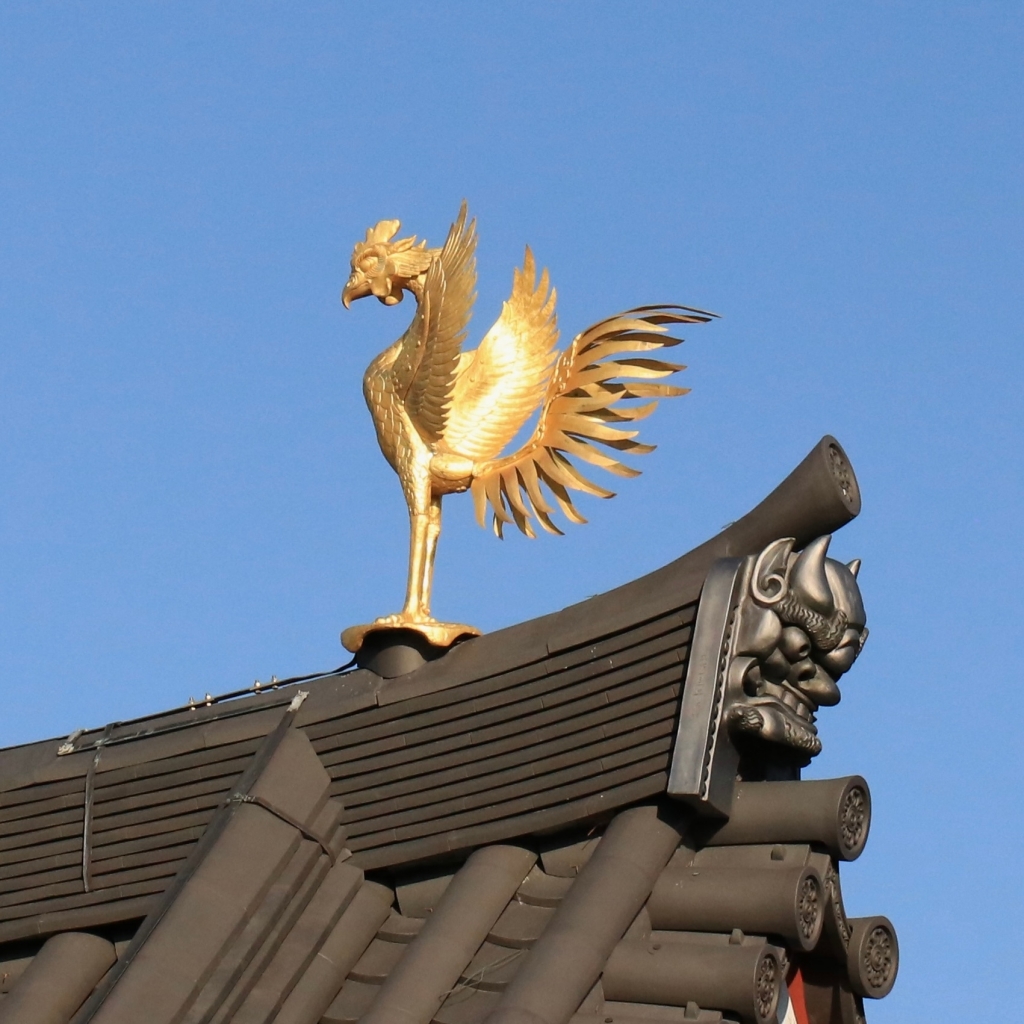 Byōdō-in glows in the morning light. Facing east, the rising and late-morning sun provide the perfect conditions for photography, as the gold of the famous Amida Buddha and the phoenixes on the roof reflect the sunlight beautifully. It’s definitely worth seeing the Amida-dō Hall from the inside. They believed the Buddha statue embodied the very pinnacle of beauty—so perfect that, for people of the time, nothing in the world could surpass it. Tickets are sold separately, and visitors are admitted every 20 minutes with a maximum of 50 people, so during peak seasons there can be a long wait. If you’re short on time, don’t be disappointed—the museum on the temple grounds houses all of the temple’s treasures and even features full-size reproductions of the hall’s paintings.
Fun fact: Byōdō-in Poenix Hall is featured on the 10-yen coin.
10:40 AM – Taihō-an tea ceremony experience
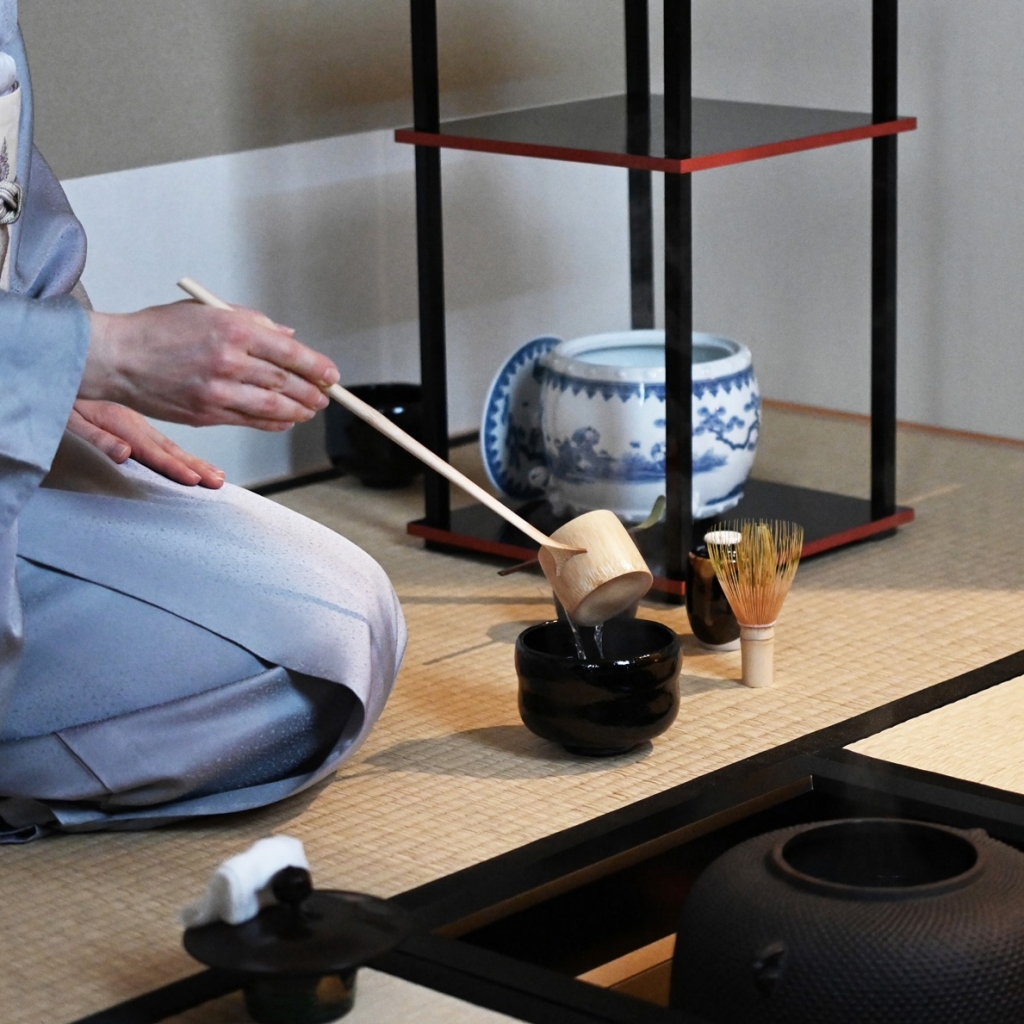 It takes a relaxed 2-3 minutes walk from Byōdō-in main entrance/ exit to Taihō-an tea house.
Location: Uji city, Uji Togawa 2
Opening hours: Every day from 10.00 AM - 16.00 PM
Participation ticket: 1500 yen
Reservation phone: 0774-23-3334
If you’re interested in the traditional Japanese tea ceremony, Uji offers a great opportunity to experience it. Before entering Byōdō-in, take a two-minute walk to Taihō-an Tea House and check for availability. Taihō-an is a traditional tea house run by the city, where local practitioners hold tea ceremonies. Ceremonies are held every 20 minutes and cost a very reasonable 1,500 yen, including matcha and a seasonal sweet. Local tea practitioners volunteer to help keep the tea ceremony tradition alive and accessible to everyone. It’s a good idea to reserve a spot for about an hour later and explore Byōdō-in in the meantime. Or two hours later to set it after lunch. They also accept reservations by phone during opening hours.
The ceremony is about 15 minutes long and it changes every day which tea school is holding it.
11:00 am – Stroll through Uji Park Island
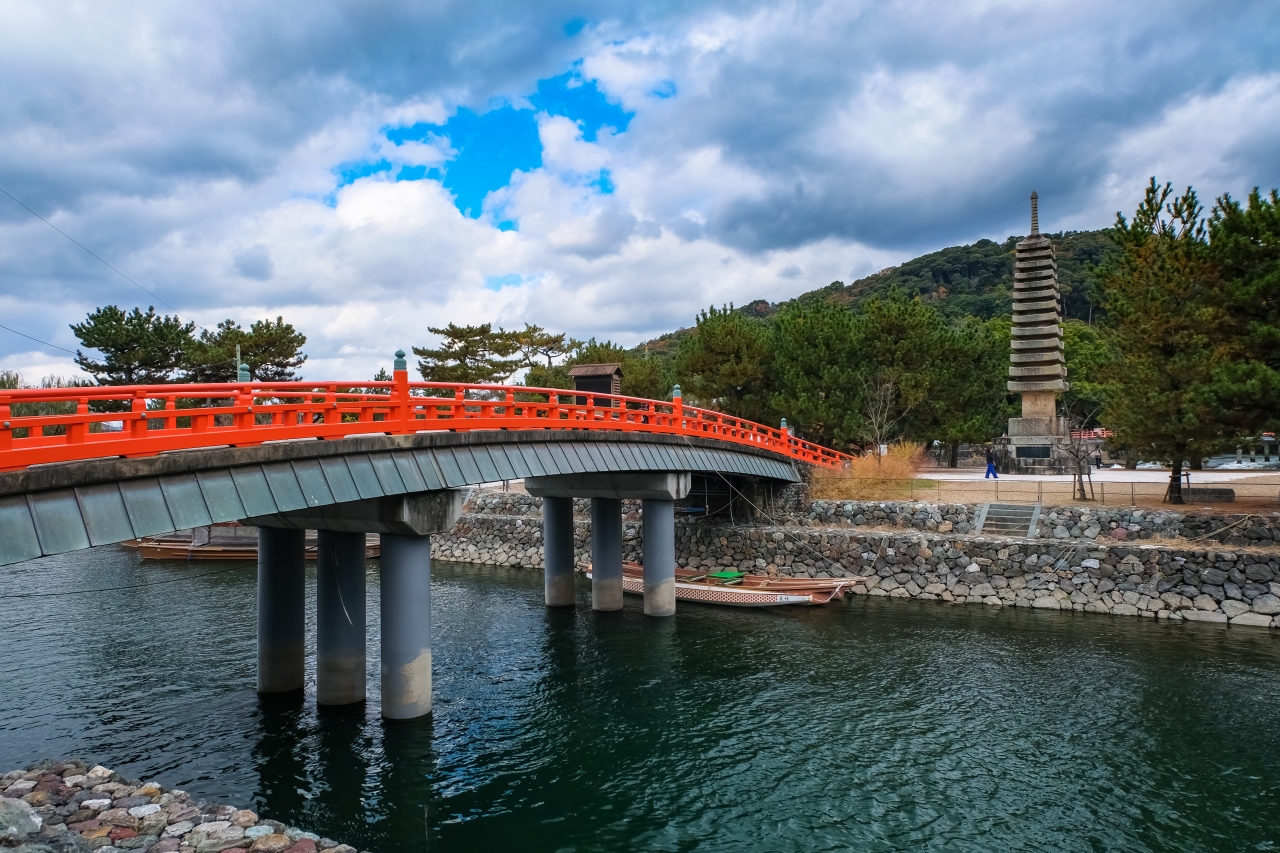
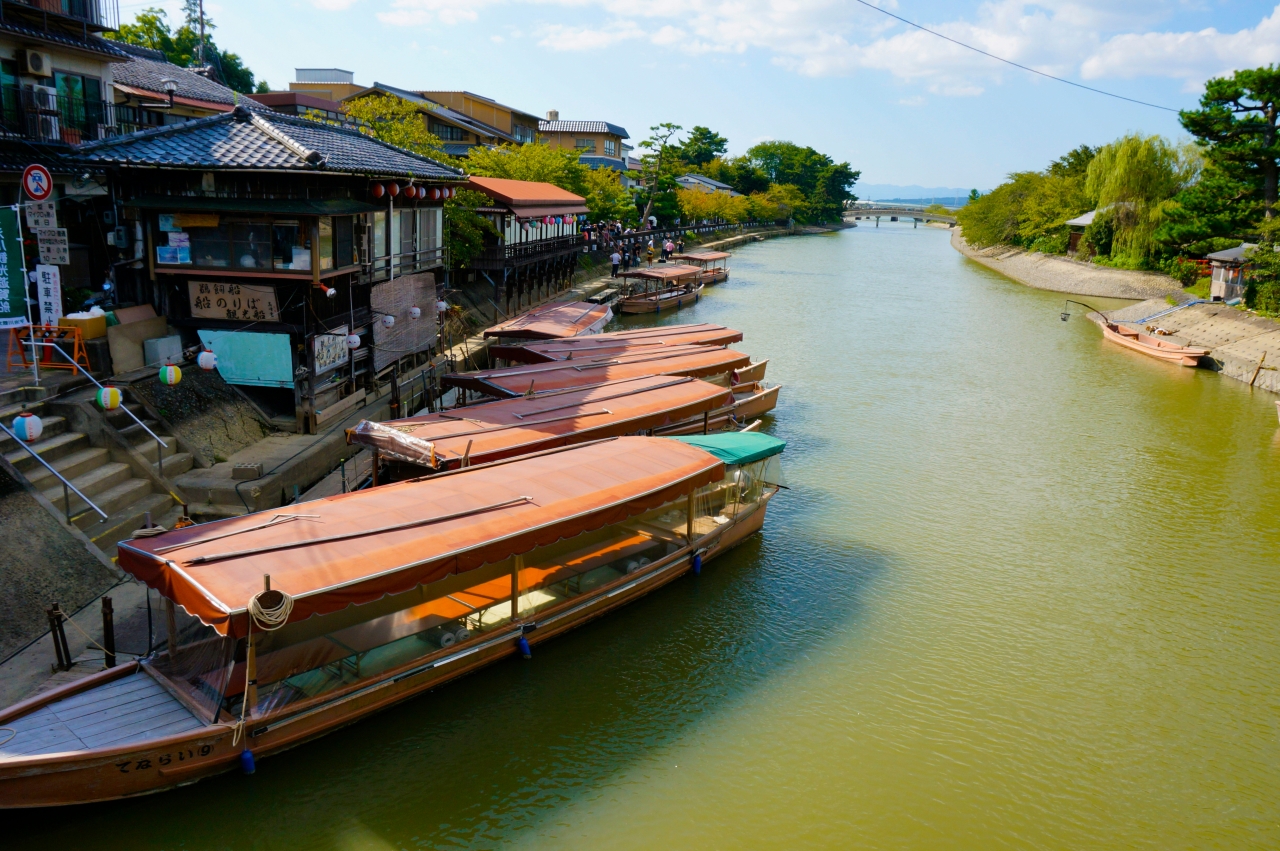 Uji gets remarkable quieter behind Byōdō-in temple, and we can enjoy a lovely and calm walk from the tea room to the island. On the river, small fishing boats line up which are used for cormorant fishing during summer. The island is a short walk where we can see the river getting wild, thanks to the dam nearby and walk under the many cherry trees. If we are lucky, we can catch a craft market there too. It’s also a great spot for a picnic for those who prefer eating their bento outdoors with a beautiful scenery.
On the tiny island, you can also see cormorants that are cared for and used in traditional fishing practices.
11:30 AM – VISITING Chazuna, Historical Park of Tea and Uji Land
Through the Uji Park Island, it takes about 15-20 minutes stroll back to Chazuna Museum.
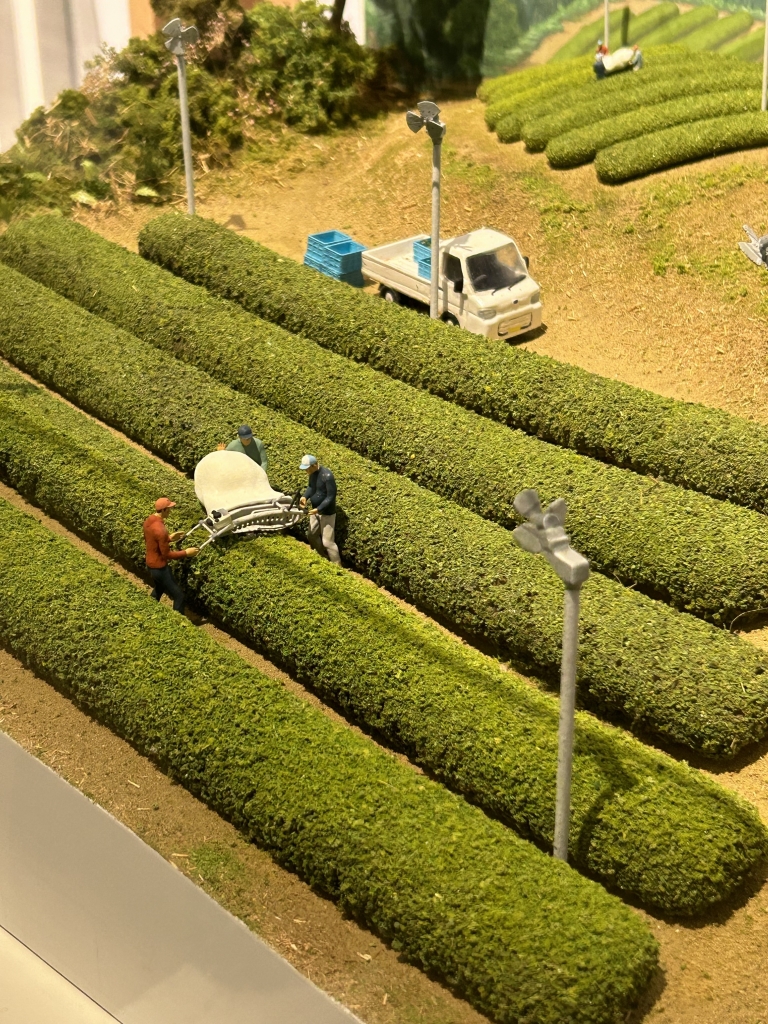 Opening hours: 9.00 - 17.00
Location: Uji city, Todō Maruyama 203-1
Entrance fee: 600 yen
In Chazuna, beautifully made short films and informative exhibits bring the story of Uji tea to life, covering everything from its history to cultivation and processing. Interactive games are also there to make the experience fun.
Chazuna also offers hands-on workshops, letting visitors try their hand at traditional crafts—from grinding your own matcha, tea picking, and making sweets, to creative experiences like painting, origami, and blending tea-based cosmetics. You can explore their full range of offerings here: https://uji-chazuna.kyoto/en/event/#experience.
Chazuna also has a restaurant, where we can have lunch or an afternoon snack. Outside of the building, we can also take a look at a small tea field.
12:30 PM – LUNCH AT CHAZUNA
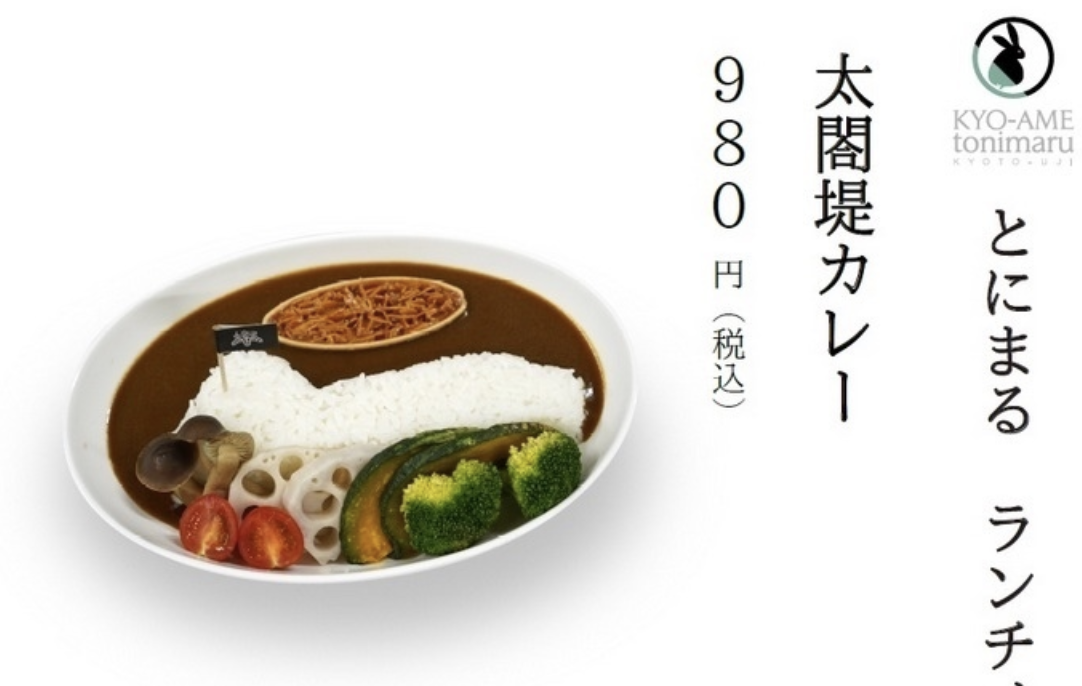 Chazuna offers a variety of dishes and desserts, with its most famous being the “Taikōtsutsumi Curry”. Inspired by Uji’s scenic landscape and dam, it’s not only delicious but fun to look at. “Taikō” refers to Toyotomi Hideyoshi, who commissioned the dam to protect the Uji River.
The Taikōtsutsumi Curry costs 980 yen.
The restaurant is run by Kyo Ame Tonimaru, a famous Japanese traditional candy maker. After lunch, t's worth to try their candies as well! Plan for a 45-minute lunch, then head to the Tale of Genji Museum at around 13:15.
13:30 PM – VISITING the Tale of Genji Museum
A 10–15 minute walk from Chazuna brings you to the Tale of Genji Museum.
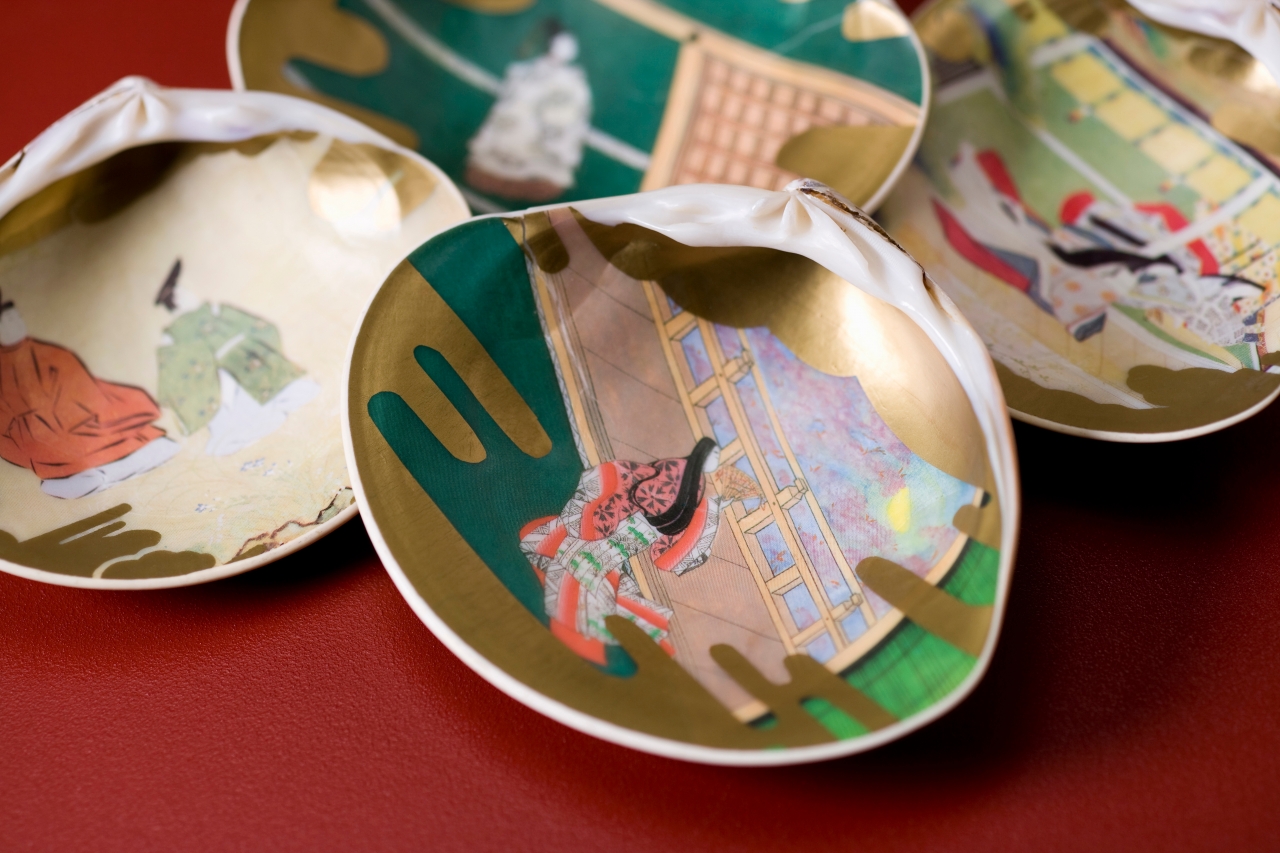 Opening hours: 9:00-17:00
Location: Uji City, 45-26 Uji Higashiuchi 45-26
Entrance fee: 500 yen
A small but charming spot where we can step into the world of Murasaki Shikibu. Here, the daily lives of Heian-period princes and princesses come alive. The museum offers thorough English explanations, interactive games, and short films with subtitles, making it easy and fun to explore. For this cozy museum, 30–60 minutes is usually plenty.
14:25 PM – arriving at Ujigami shrine
From the Tale of Genji Museum it takes a 5 minutes stroll to the Ujigami Shrine.
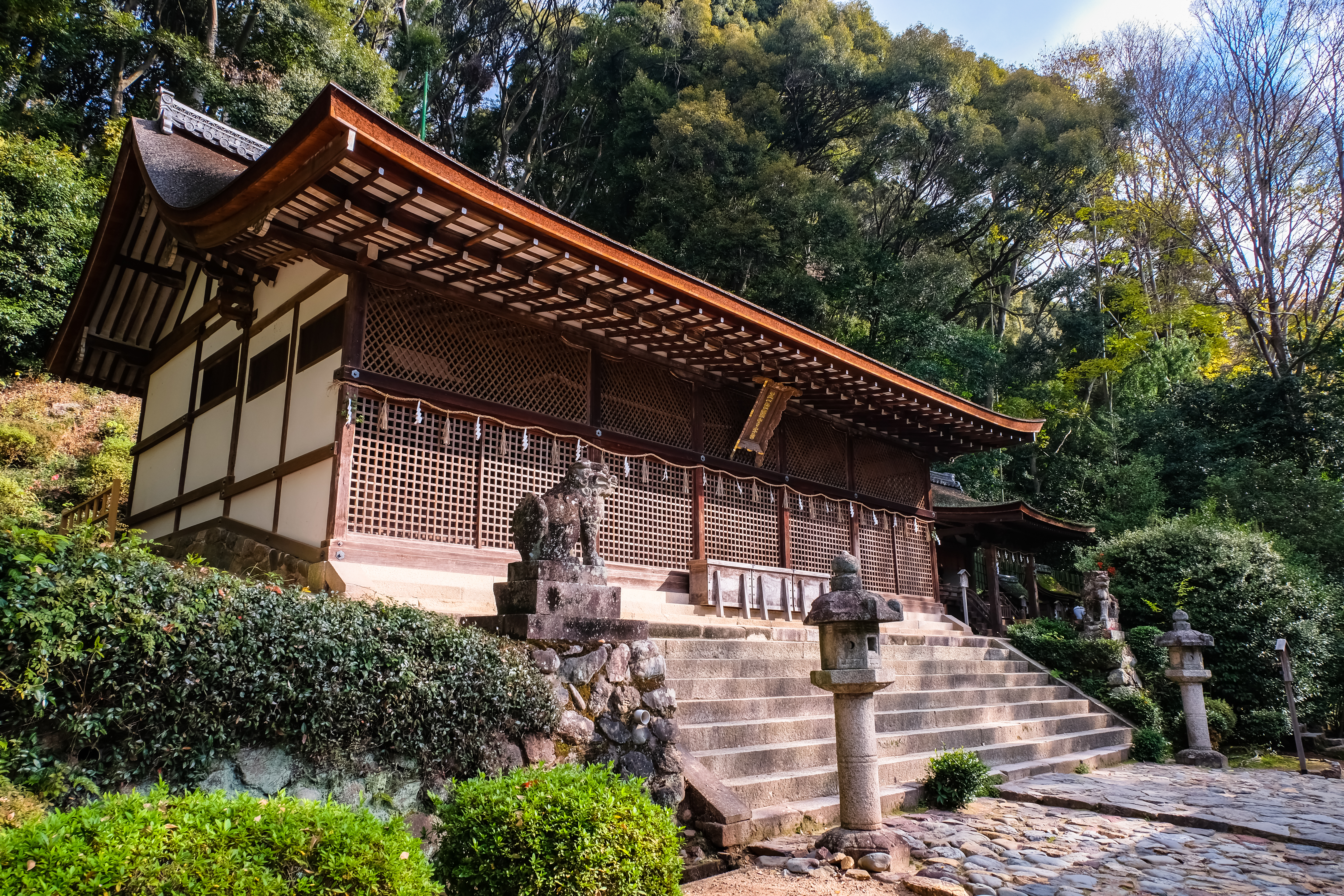 Opening hours: 9:00 - 16:00
Entrance fee: free
Often overlooked by visitors, this unassuming shrine is a hidden gem in Uji—yet it is a UNESCO World Heritage Site and widely believed to be Japan’s oldest standing shrine. Near the entrance, a small structure with a few steps descends into the water. This is a freshwater spring, once used for purification rituals at the shrine. Today, visitors can step inside and perform the same cleansing, standing on a broad stone just above the water and using the ladle provided. In the past, households in areas blessed with spring water often built similar huts, drawing on these pristine waters for daily life. Kyoto’s water is famous for its purity and delicate taste—low in minerals, perfect for brewing tea.
For those who enjoy hiking, a narrow path from the shrine winds into the mountains. A short 20–30 minute trek leads up to Mount Buttoku, where a stunning panorama awaits—Uji stretches below, and Byōdō-in glimmers from above. After descending from the mountains, it’s the perfect moment to shift gears and explore the city’s museums, where history and tea await.
14:45 PM – arriving Asahiyaki Gallery
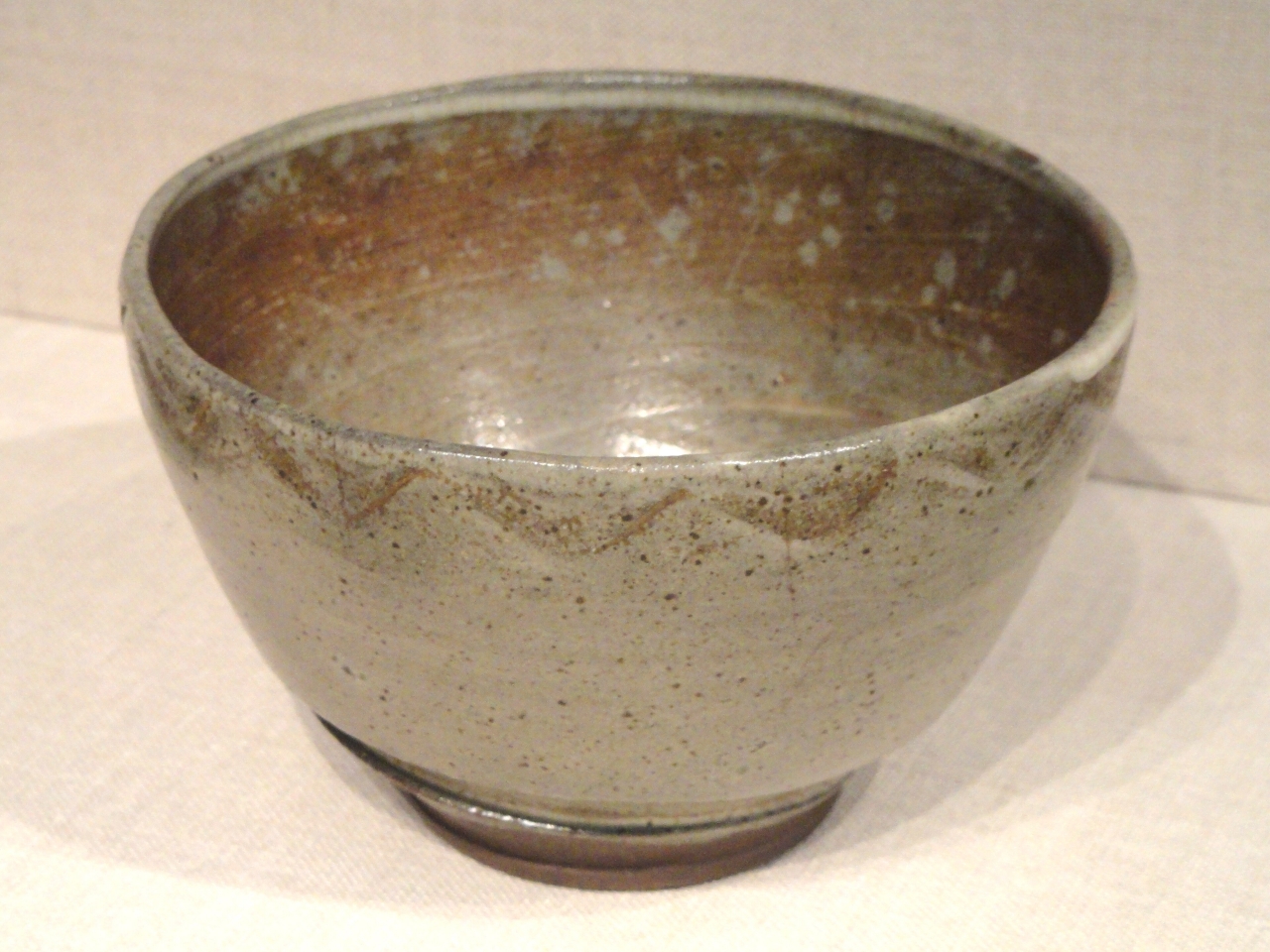 Walk 2 minutes from Ujigami Shrine to Asahiyaki Gallery.
Opening hours: 9.00-16.00
Location: Uji City, Uji Matafuri 67
With a stunning view of the river and Uji’s small red bridges, you’ll find a shop of the kiln that has been producing Uji’s famous pottery, Asahiyaki, for over 400 years. Closely tied to tea and the tea ceremony, Asahiyaki earthenware is known for its warm, earthy tones and slightly rough, natural texture, embodying the aesthetics of simplicity and spontaneity that are so cherished in tea culture.
15:05 PM – visiting Kōshō-ji temple and tea Whisk monument
Walk 5 minutes from Asahiyaki Gallery to Kōshō-ji temple.
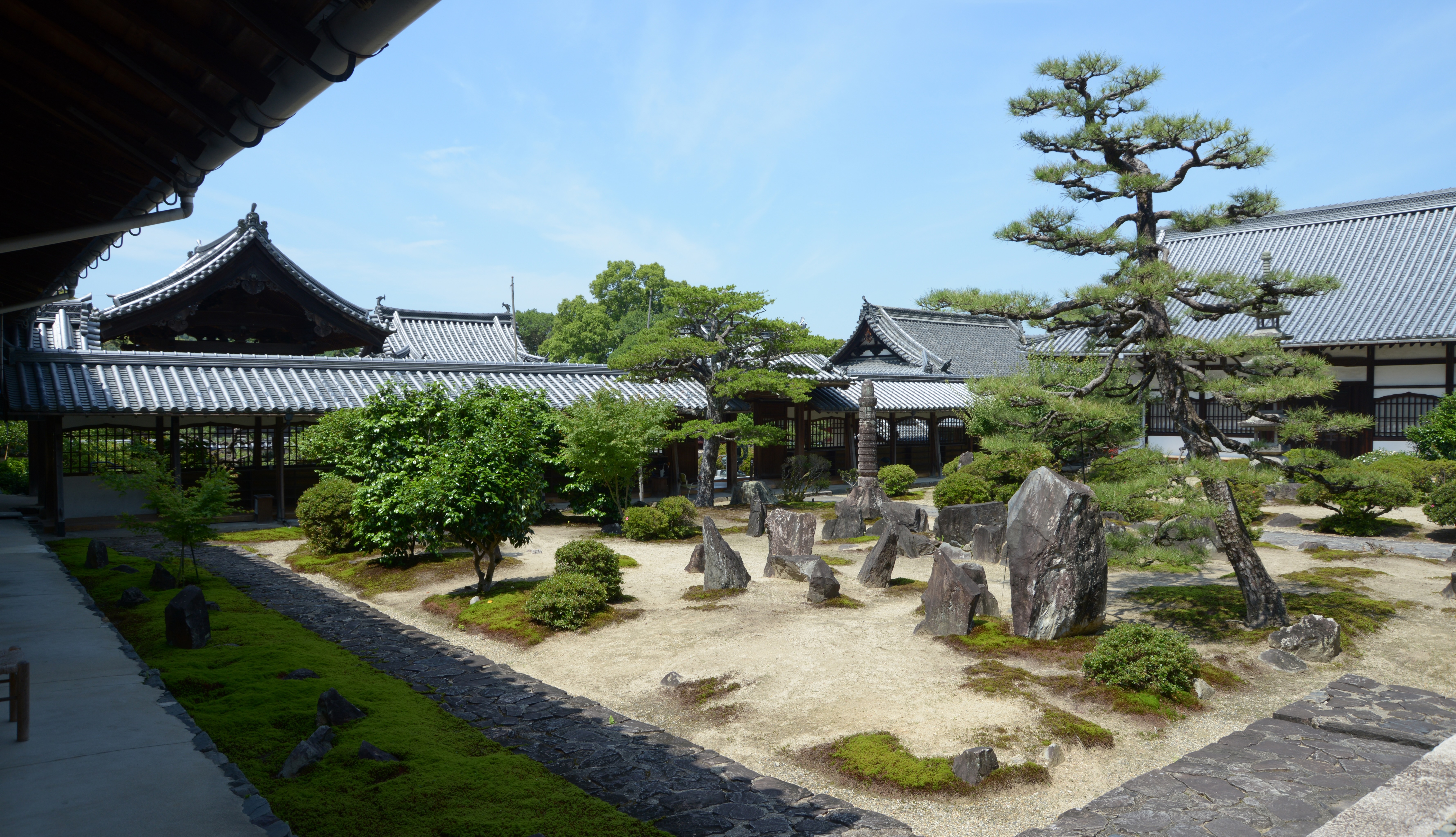
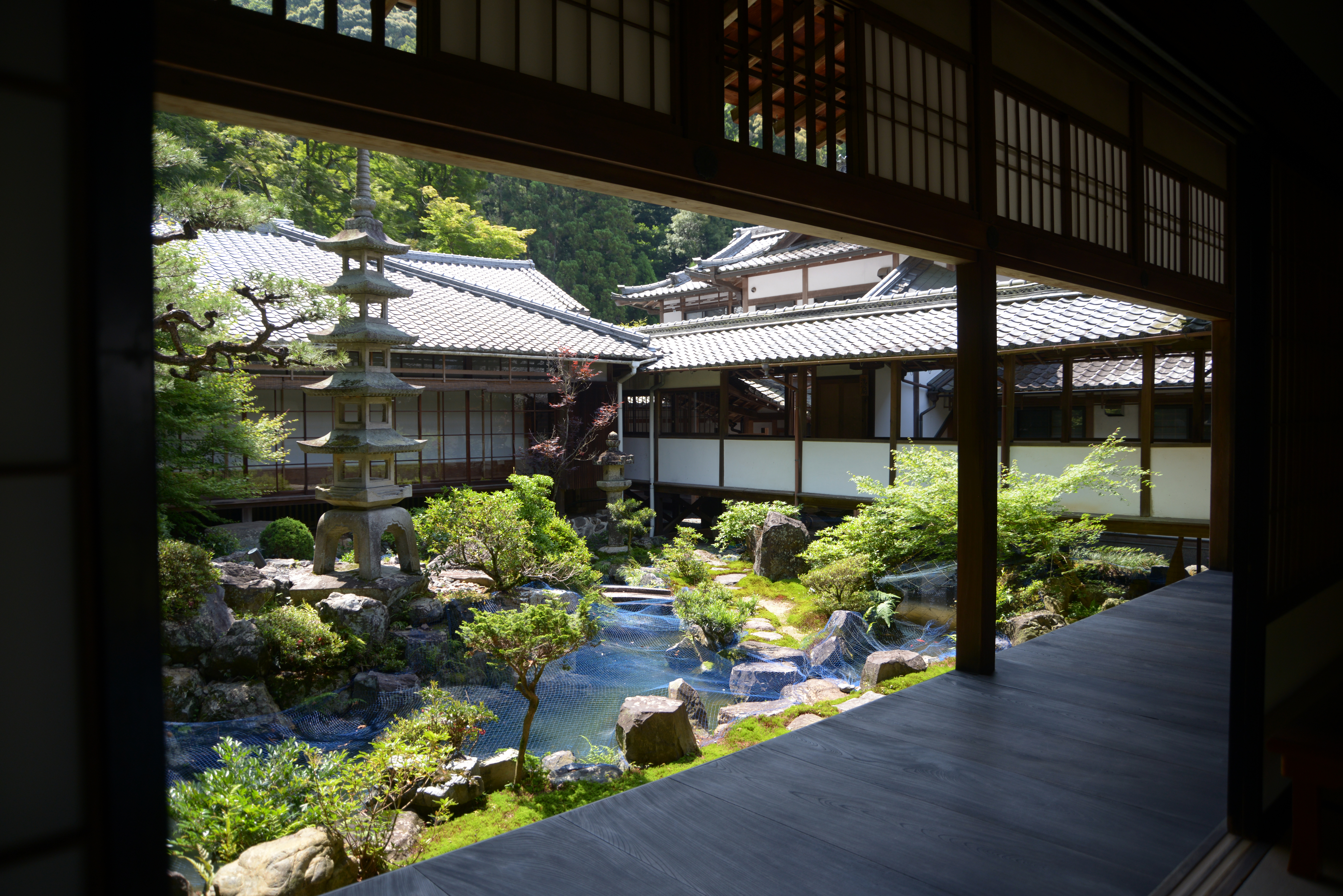 Opening hours: 10.00-16.00
Entrance fee: 500 yen
From the island, we can head to the other, much calmer side of Uji which hides some gems most tourist don’t know about. Heading south along the Uji River, you’ll find a lesser-known yet equally fascinating temple, Kōshō-ji. Upon stepping into its grounds, it immediately feels like a different world from Byōdōin—a Zen temple defined by its quiet character, with intimate gardens, meticulously pruned trees, and carefully arranged stones. While it’s a wonderful place to rest after a long walk, it also holds something deeply special and sacred in Japanese culture: the so-called chitenjō, or “bloody ceiling.” In 1600, there was a famous battle at Fushimi Castle that changed the tide of the war and altered the course of Japanese history. In this battle, all the warriors fell, their blood seeping into the castle’s floorboards. To honor their memory and heroic sacrifice, the boards were later distributed among several temples in Kyoto and installed as ceilings—known as chitenjō, or “bloody ceilings.” One of these temples is Kōshō-ji. Sitting before its serene Zen garden, it invites quiet reflection on the weight of the past, the sacrifices that shaped the present, and the fleeting nature of life—reminding us that each moment, like a breath, comes only once and never returns.
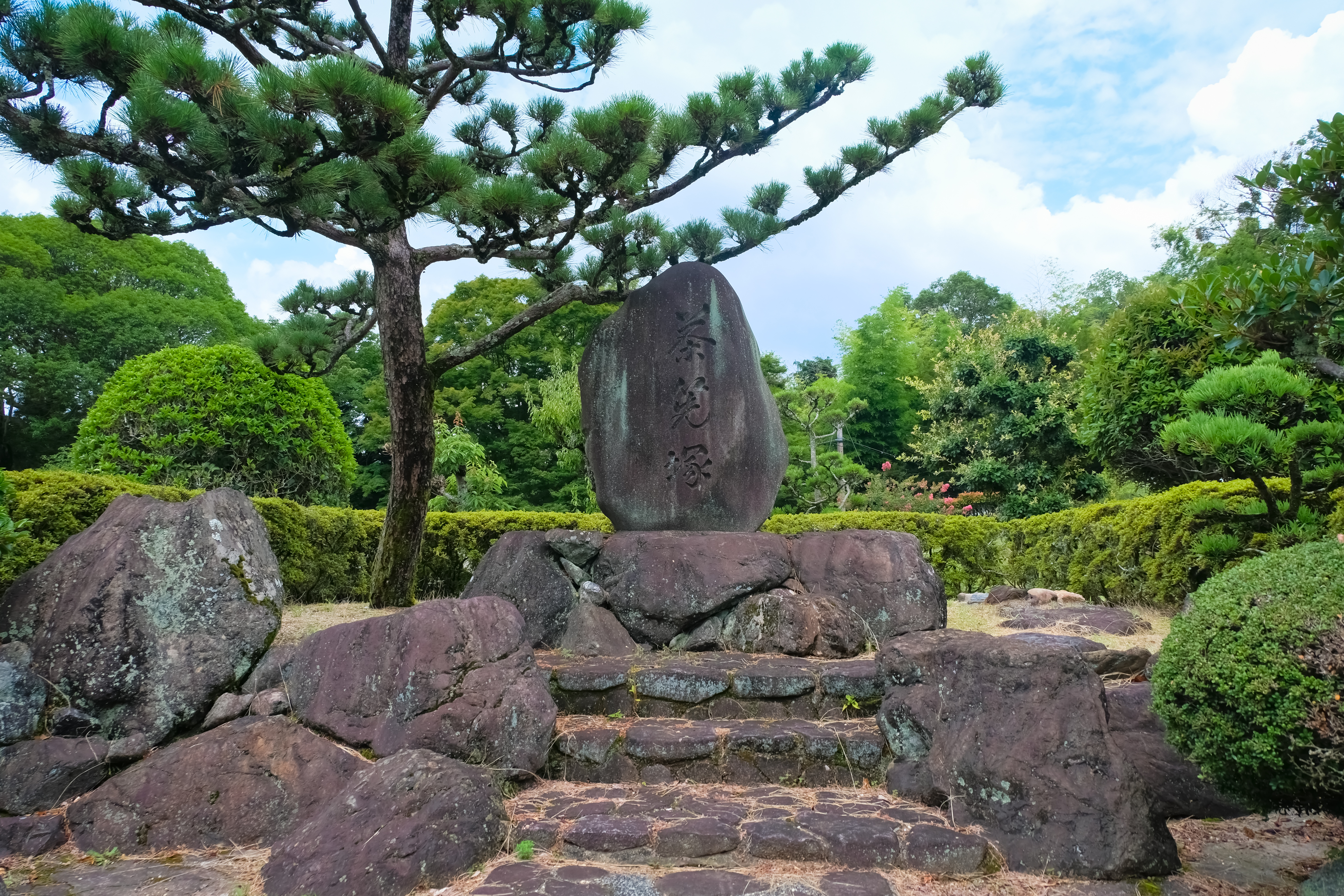 In front of the Sanmon gate of Kōshō-ji Temple stands the Chasen-zuka, a monument dedicated to tea whisks. After the Uji Tea Festival, worn-out tea whisks are ceremonially burned in a memorial service as an expression of gratitude. In Japanese tea culture, tools are treated with spiritual respect; when they become worn out, they are not simply discarded, but are ritually “sent off” through burning or memorial services, returning them to nature in the form of fire and ash, and expressing thanks for their role in the tea ceremony.
This temple is stunning not only in spring but also in autumn and summer as well.
16:00 PM – Take a break at Fukujū-en Uji Tea factory
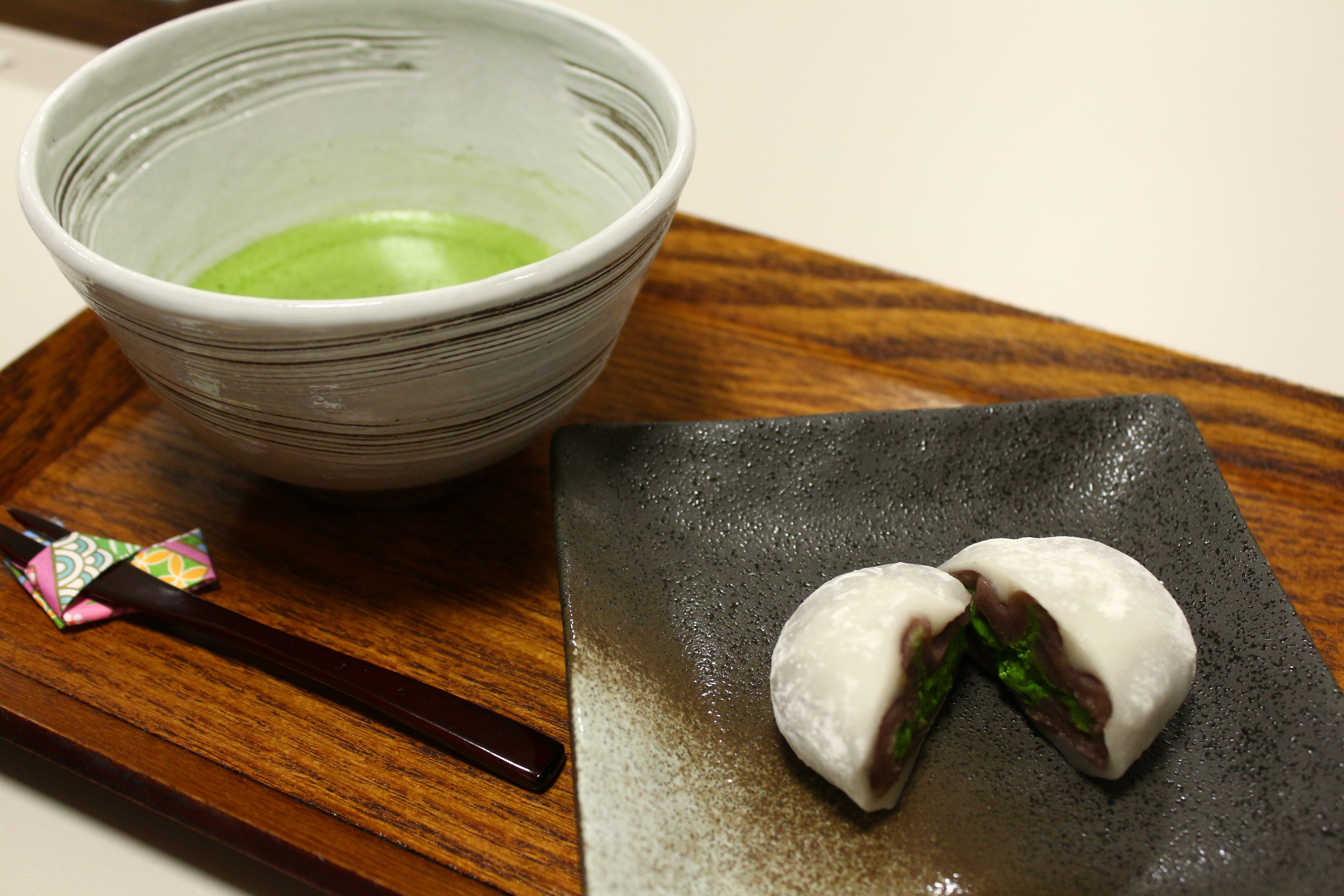 From Kōshō-ji, it’s a 5-minute walk back to the Fukujū-en Uji Tea Factory.
Here, you can explore a small exhibition, join tea workshops, and enjoy tea alongside tea-based desserts.
Visit their page for more information: https://experience.fukujuen.com/en/
 17:23 PM – JR UJI STATION – GOING BACK TO KYOTO STATION
The train departing at 17:23 arrives at Kyoto Station at 17:45. Kyoto Station offers a variety of dining options, and it’s worth heading up to the 11th floor of JR Isetan department store to explore some of them. From the main entrance escalators, you can also take in the station’s striking modern architecture.
Bonus tips
Eating options in Uji
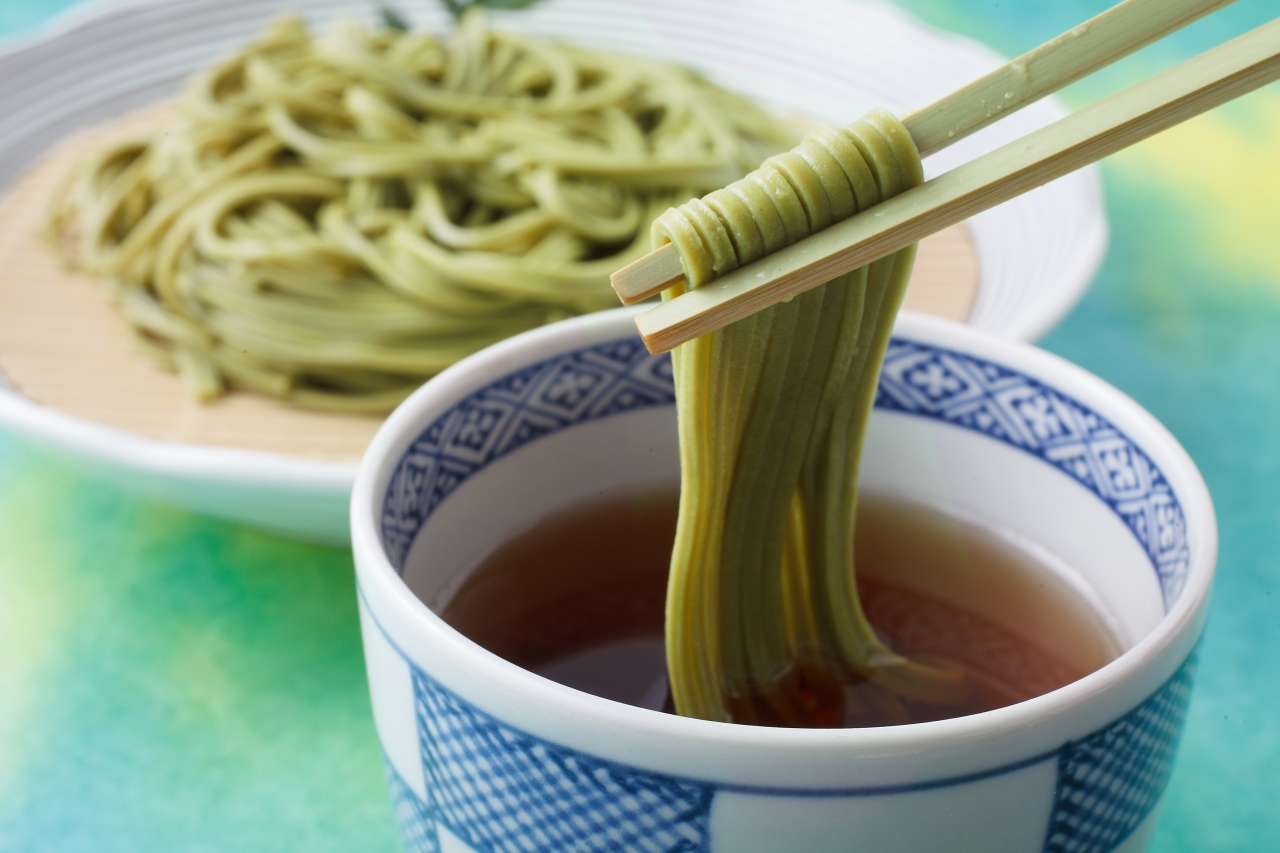 In Uji, there are plenty of spots to rest and savor local specialties. One unique treat is chasoba—buckwheat noodles infused with a hint of matcha. It might sound unusual to those unaccustomed to tea in savory dishes, but it’s surprisingly delicious. Matcha pairs beautifully with everything from salt to olive oil, dumplings, and noodles.
Along the riverside, several restaurants serve traditional local fare. A quick bowl of udon or soba is a perfect way to ease hunger, and many small eateries offer just that—you really can’t go wrong. Restaurants here tend to be small, so lunchtime crowds are common, but even long-looking lines move quickly. For a quieter experience, wander a bit off the main paths along the river or explore the smaller side streets.
For a more luxurious experience, traditional Japanese course meals are also available. Chikurin, located right in front of Byōdō-in, offers beautifully presented course meals at reasonable prices. The food is not only delicious but also visually delightful, and the riverside view while dining makes the experience even more memorable. Tatsumiya is a little behind Byōdō-in and also offers an elegant and delicious experience for all senses.
While most cafes and tea houses offer vegetarian and vegan options, fully plant-based restaurants aren’t many in Uji. Vegetarian dishes are relatively easy to find. It is a little trickier to accomodate vegan diet but Yamagoya has vegan set menu options.
Tea related events in Uji
Manpukuji National Senchado Daikai — Senchado Tea Ceremony Festival
 Time: May 23-24, 2026, 9:30 - 15:00
Location: Uji City, Gokasho, Sanbanwari 34
Attendance fee: In advance: 9,000 yen (includes lunch box); At the gate: 10,000 yen (doesn’t include lunch box)
Website to purchase tickets in advance: https://www.senchado.com/
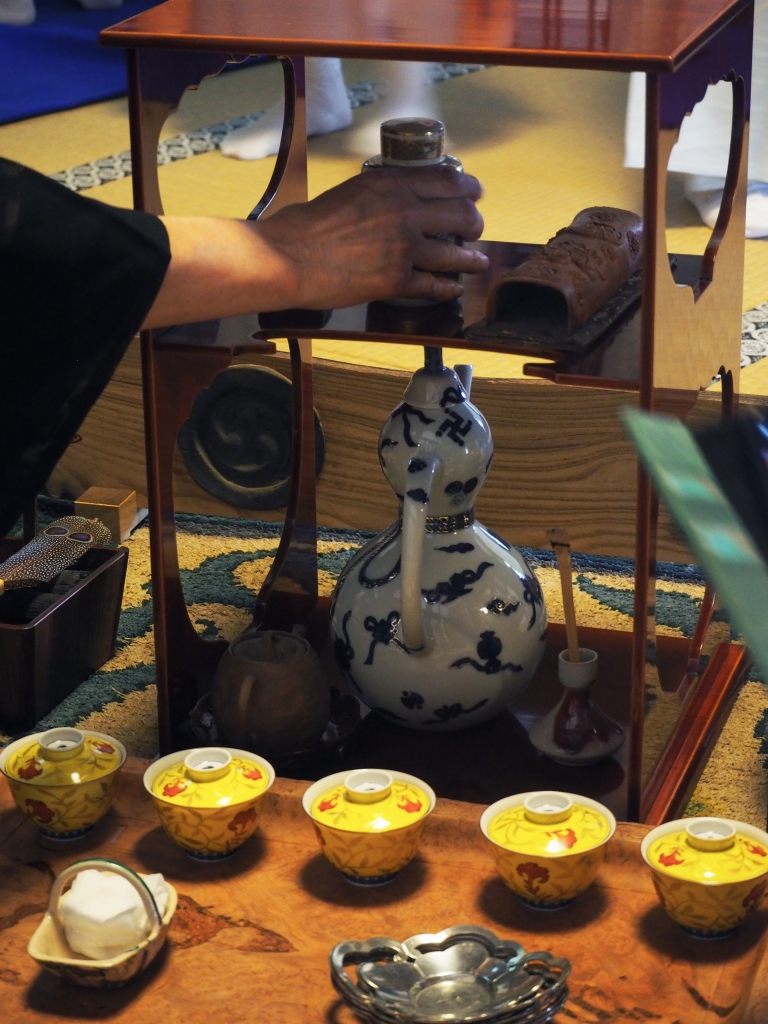
The senchado tea ceremony festival is held annually at Manpuku-ji Temple. Manpuku-ji was founded by the Chinese monk Ingen Ryuki, who brought Chinese tea culture—serving as the foundation for sencha-style tea, utensils, and etiquette—to Japan in the 17th century. The festival starts at 9:00 AM, and the reception is open until 2:30 PM. The ticket includes three tea ceremonies (with tea and sweets) as well as a grand ceremony, during which monks offer tea to Ingen and the Buddha.
The temple complex was built in a stunning Ming dynasty architectural style, and experiencing sencha ceremonies in such an environment is truly unforgettable.
Uji New Tea Picking Gathering on the Eighty-Eighth Night
Time: May 2, 2026, 9:30 AM - 14:00
Location: 611-0021 Uji Tea Hall, 25-2 Uji Oriya, Uji City, Kyoto Prefecture
Attendance fee: 1,000 yen (Tickets are available only in advance!)
Website to apply for the ticket: https://ujicha.or.jp/en/event/2026chatumi/
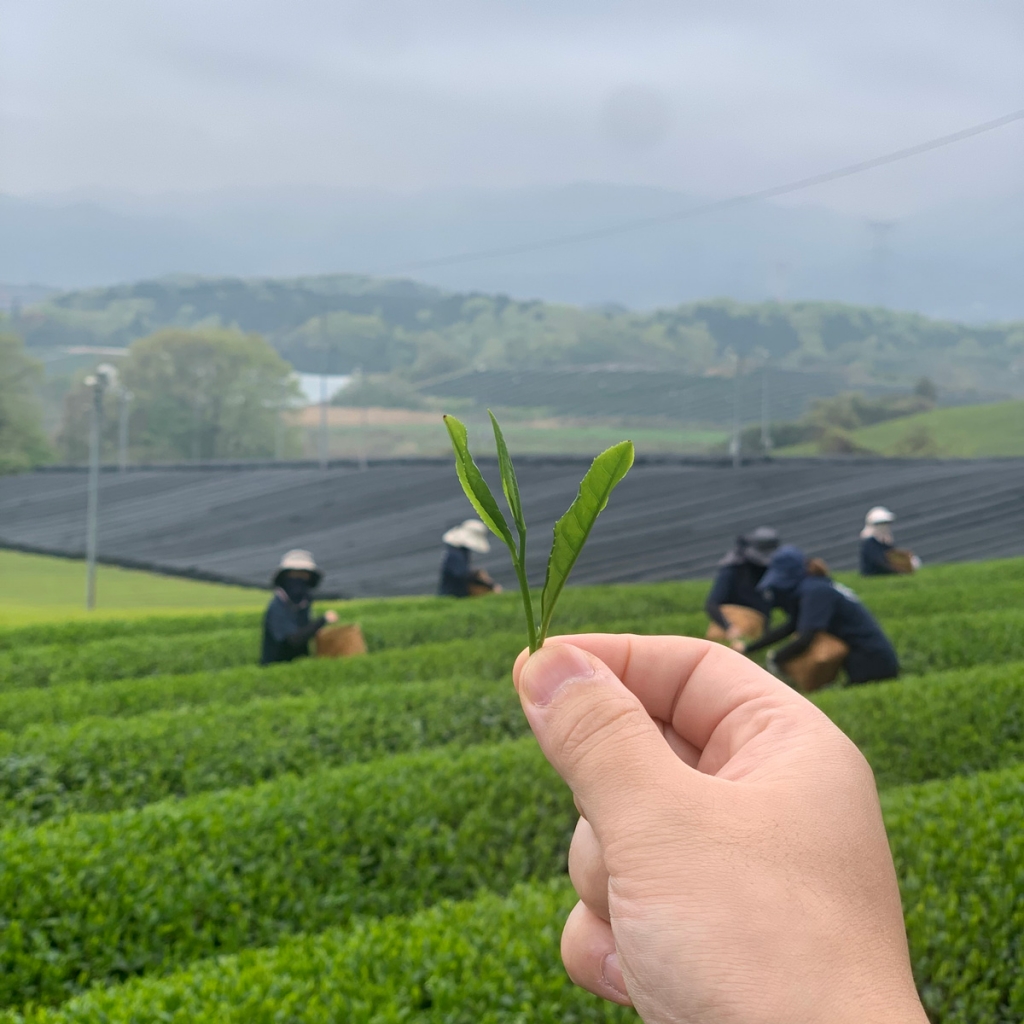
A tea-picking event is organized annually by the Kyoto Prefectural Tea Industry Hall. During the event, participants can try tea picking, gain insight into how tea is processed, and experience brewing fresh tea, as well as preparing Uji gyokuro and matcha. Participation is by application, and 888 participants are selected by lottery. You can apply using the link above. The festival also features street food stalls.
EXPLORE AGAIN THE EVENING UJI CENTER
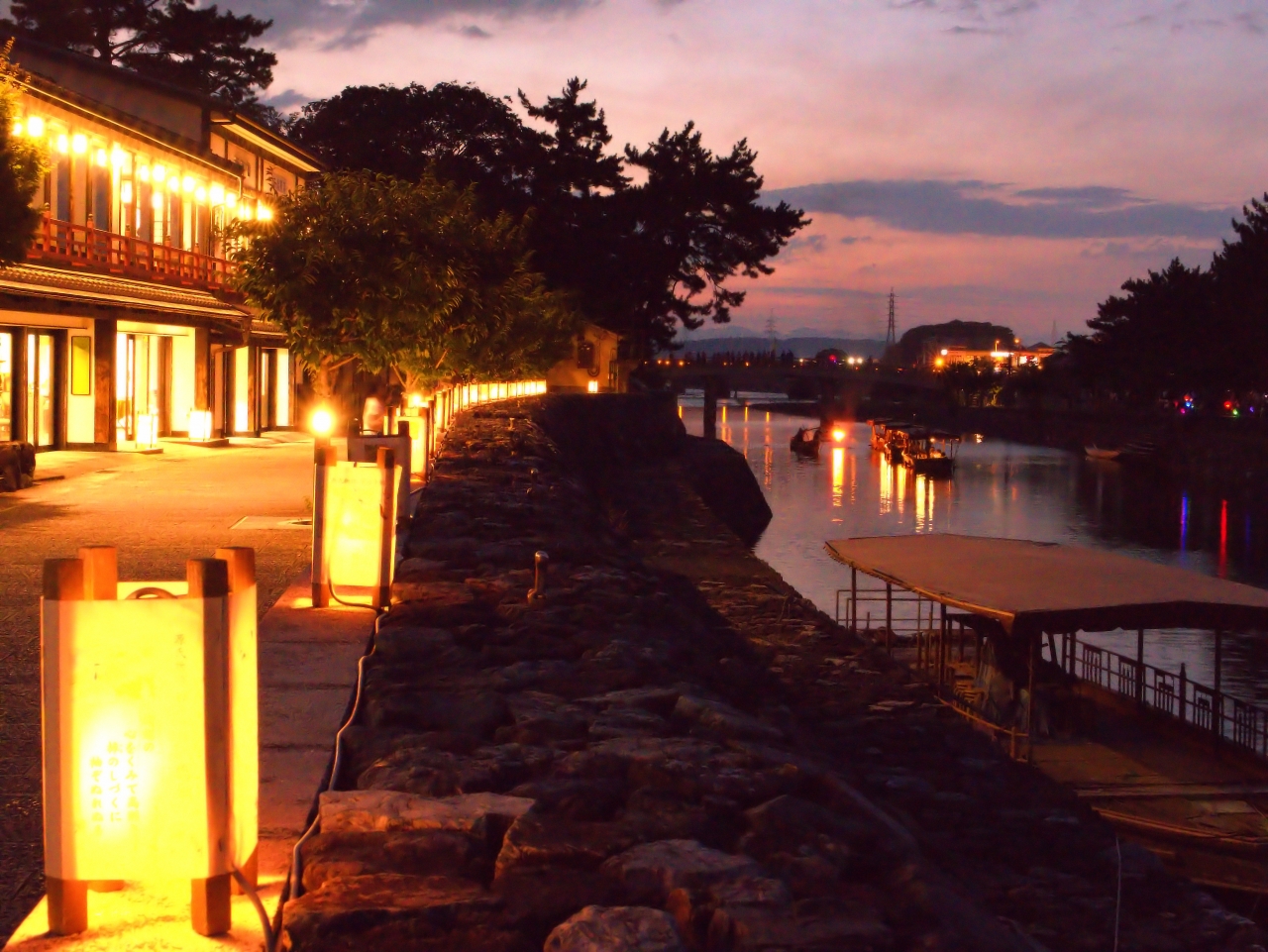
Don’t rush away once your plans are done. In the gentle dawn and fading light, the town takes on a new character. An evening walk along the river offers a completely different, quieter view of the city. Take your time, wander at an unhurried pace, and let the calm surroundings be the perfect moment to reflect on the day.
PRACTICAL INFORMATION for Your Uji Visit
- Museums tend to be closed on Mondays. If a Monday falls on a national holiday, they are usually closed on Tuesday instead.
- Convenience stores are only located near the station, with none in the town center. If you’re planning a picnic, it’s best to prepare or buy your food in advance.
- Some teas, teaware, and other souvenirs may be exclusive to Uji. If something catches your eye, don’t hesitate to buy it, as you may not find it elsewhere.
- Restaurants are generally open between 11:00–11:30 and 14:30. After that, they close to prepare for dinner and reopen around 17:00. They can get crowded at lunchtime, so arriving before noon or after 13:30 is a good way to avoid the rush. Lines may look long, but they tend to move quickly.
- Spring in Japan can be rainy. Rain might spoil our mood, but Uji loves it. If we wake to a rainy day, we shouldn’t feel disappointed. The town may be quieter, and the valley becomes stunning, with small clouds hanging over the Uji River. The vivid greens of fresh spring leaves and the reds of buildings and bridges are even more beautiful under a sheet of rain. There are reasons why this land is perfect for tea, and one is the thick, humid air. Uji also offers many indoor activities, and sitting on the temple porch in front of a Zen garden, watching the rain fall and listening to it patter, is one of the most unforgettable experiences in Japan.
Regarding tea shopping, don't worry, just enjoy the city. We are happy to deliver your Sazen Tea order to your Hotel. The most delicious Uji teas are available at our web shop!
Enjoy your day in Uji City!