Reading time about 10 min.
-
The Porcelain of Nobility - a Brief History of Herend
-
Herend in Japan
-
Sazen and Herend
-
The Herend Collection at Sazen
The Porcelain of Nobility - a Brief History of Herend
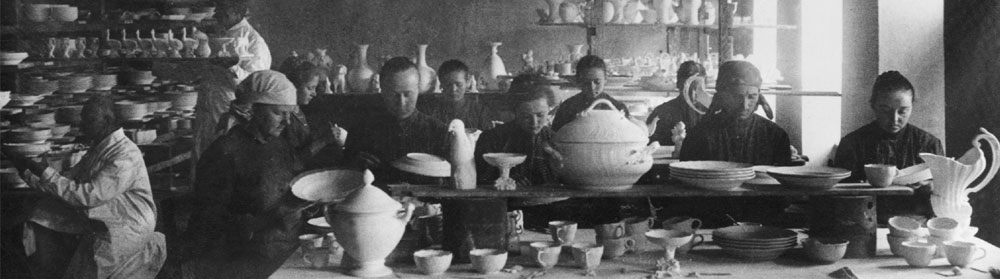
Herend Porcelain Manufactory is a Hungarian maker of fine porcelain, renowned for its luxurious, hand-painted and gilded creations. In 2026, it will celebrate the 200th anniversary of its founding, which dates back to 1826.
At the time, Hungary was part of the Austro-Hungarian Empire. The manufactory was born from the vision of its founder, Vince Stingl, who looked to the porcelain artistry of Vienna for inspiration. From these roots, a new legacy began.
Soon after its founding, Herend's exquisite pieces caught the attention of European aristocracy. The Habsburg dynasty and noble families across the continent became devoted patrons. Some of the earliest and most iconic patterns were named after their distinguished owners, among them, Queen Victoria herself.
Today, Herend continues to enchant collectors around the world. One of its most devoted markets is Japan. In response to this, a special line of Herend porcelain is crafted, hand-painted with motifs inspired by Chinese and Japanese traditions—blending Eastern heritage with European craftsmanship.
Herend in Japan
Herend has a long-standing and close relationship with Japan, where its porcelain is deeply appreciated. Members of the Japanese Imperial Family are among its customers, and in recent years, Princess Kako visited the Herend manufactory in Hungary—highlighting the cultural connection between the two countries.
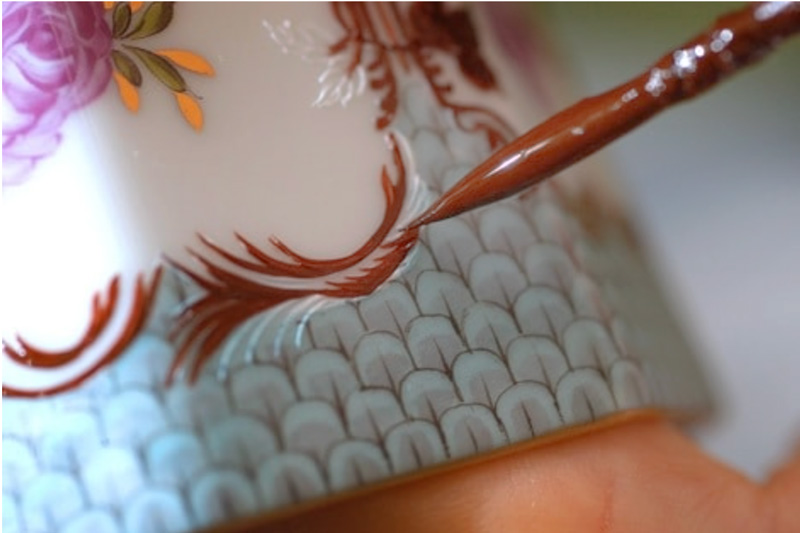
The Japanese sense of beauty and respect for tradition aligns closely with Herend’s values: hand-crafted forms, hand-painted designs, and delicate gold gilding. Herend often points to this shared appreciation as one reason its work is so well loved in Japan.
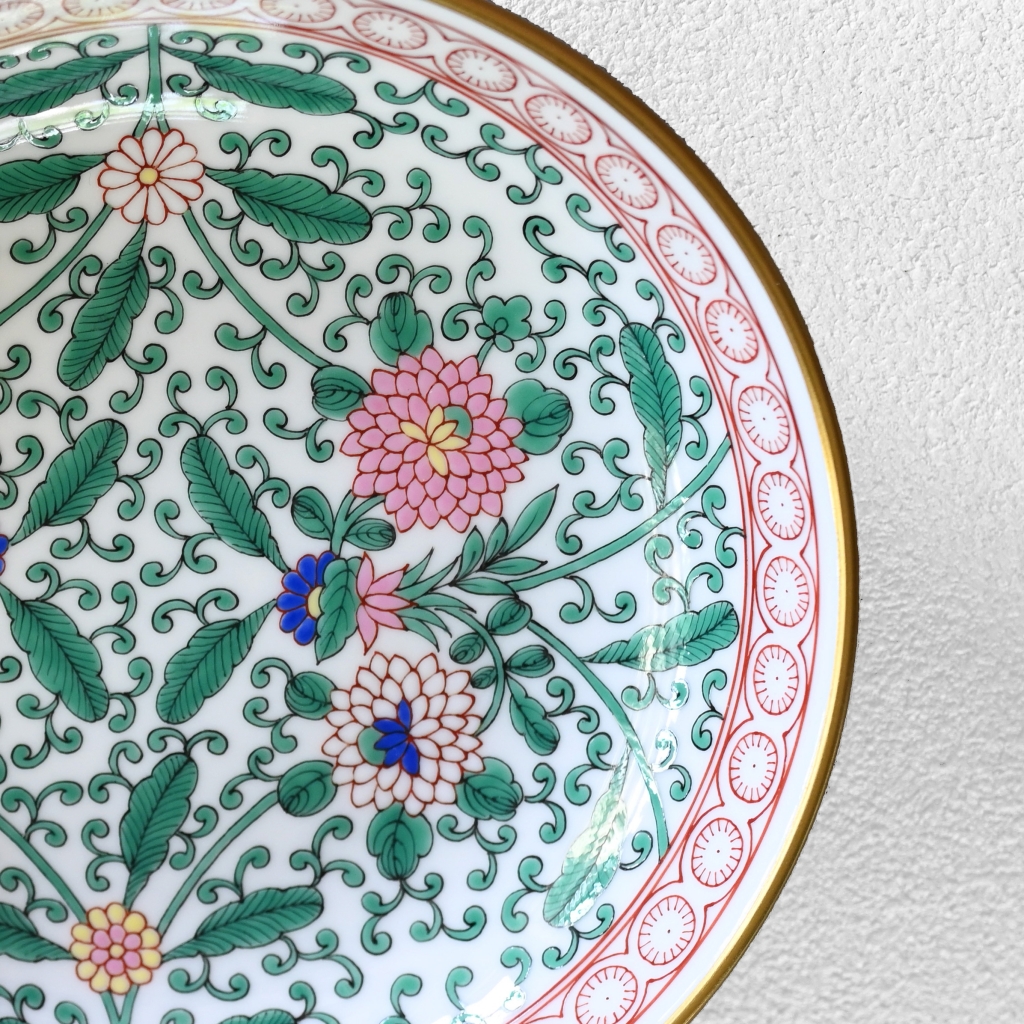
More than just exporting, Herend actively engages with Japanese art and culture. Herend Japan features motifs that resonate with local tastes—such as animals (especially rabbits and zodiac signs), floral patterns, and seasonal themes. Herend blends Eastern and Western influences, bringing together the best of both traditions.
Sazen and Herend
Before Sazen, we ran Marumoto, a Japanese tea house in the heart of Budapest. It was Hungary’s first tea house dedicated solely to Japanese teas. Looking back on those beginnings with a sense of nostalgia is one reason we felt Herend belonged in our collection. More than that, the exquisite craftsmanship of their hand-made pieces perfectly aligns with our own values: celebrating the art of creating unique, meticulously crafted works of art.
These tea cups are the perfect size for both European and Japanese tea sessions. Whether you’re craving a Japanese green tea, an afternoon black tea, or a matcha latte, Herend cups bring a touch of lavish beauty to every tea moment.
The Herend Collection at Sazen
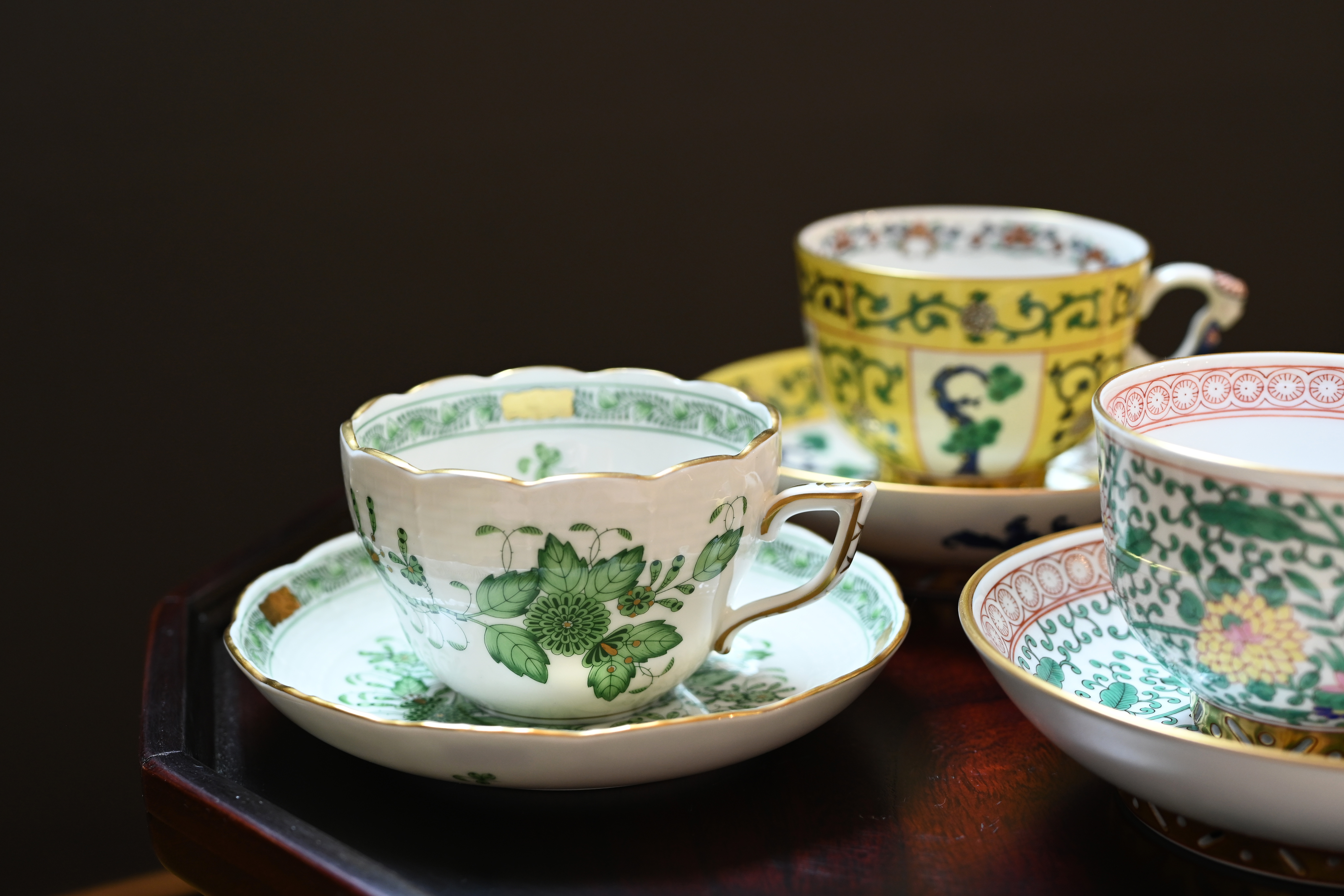
At the moment, Sazen offers three Herend cups, three extraordinary pieces of art, each hand-painted with stunning detail. They can be treasured heirlooms, afternoon tea companions on a special day or simply a touch of luxury in our everyday morning routine. The motifs serve as a bridge between Western and Eastern cultures, resulting in stunning teaware that feels at home in both minimalist spaces and richly decorated interiors.
Tupini Rose Large Cup and Saucer
☞ $1,760.00 / piece
Material: porcelain
Capacity: 200 ml / 6.7 fl oz
Dimensions: Cup: Φ 9 cm, H: 6.5; Saucer: Φ 15 cm, H: 3.5 cm
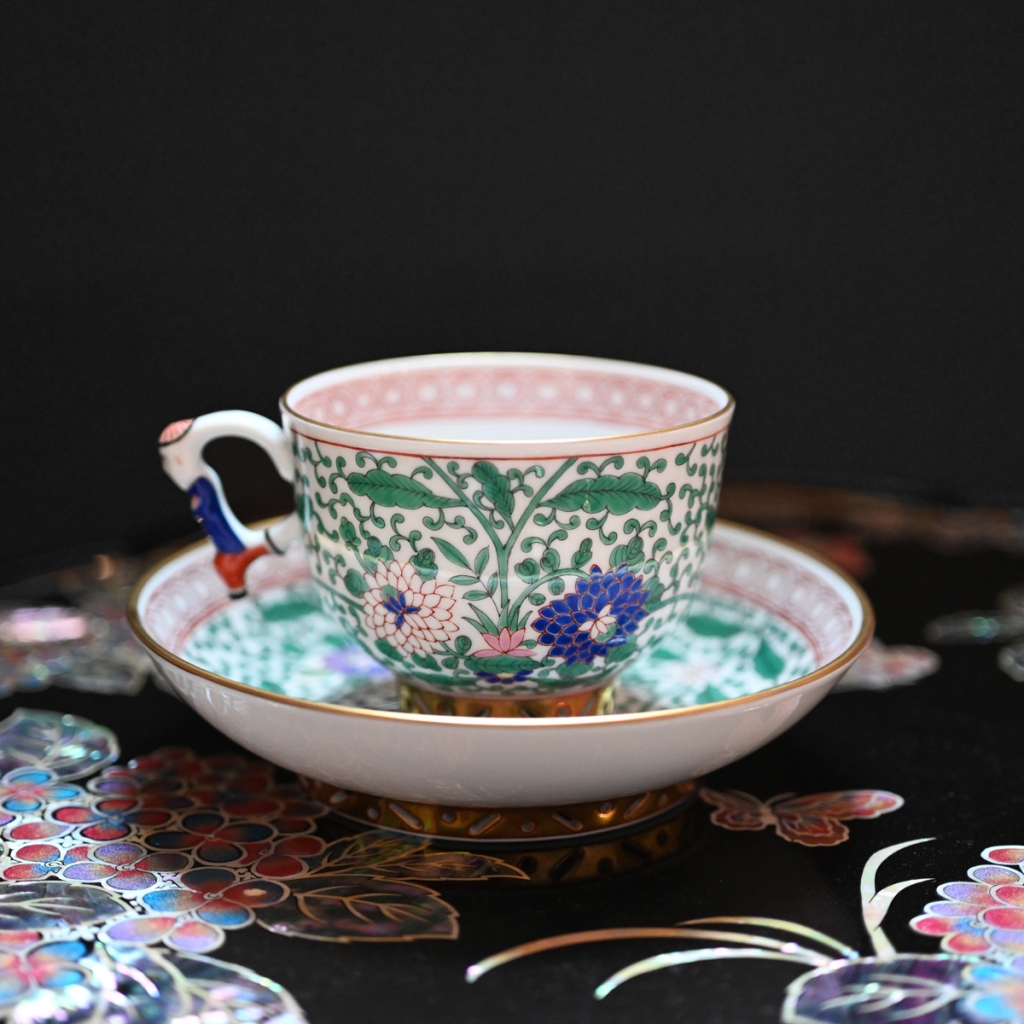
This cup is a beautiful example of intercultural artistic influence and exquisite craftsmanship.
The pattern we see on the cups and the saucer got its name after the Tupini family who was one of the most affluent merchant families in Medieval Rome. They traded textiles and other luxury items with the Middle East for the italian elite who loved foreign art styles. Over time, these motifs and patterns gradually seeped into local artistic traditions. This is how the Tupini Rose pattern came to life.
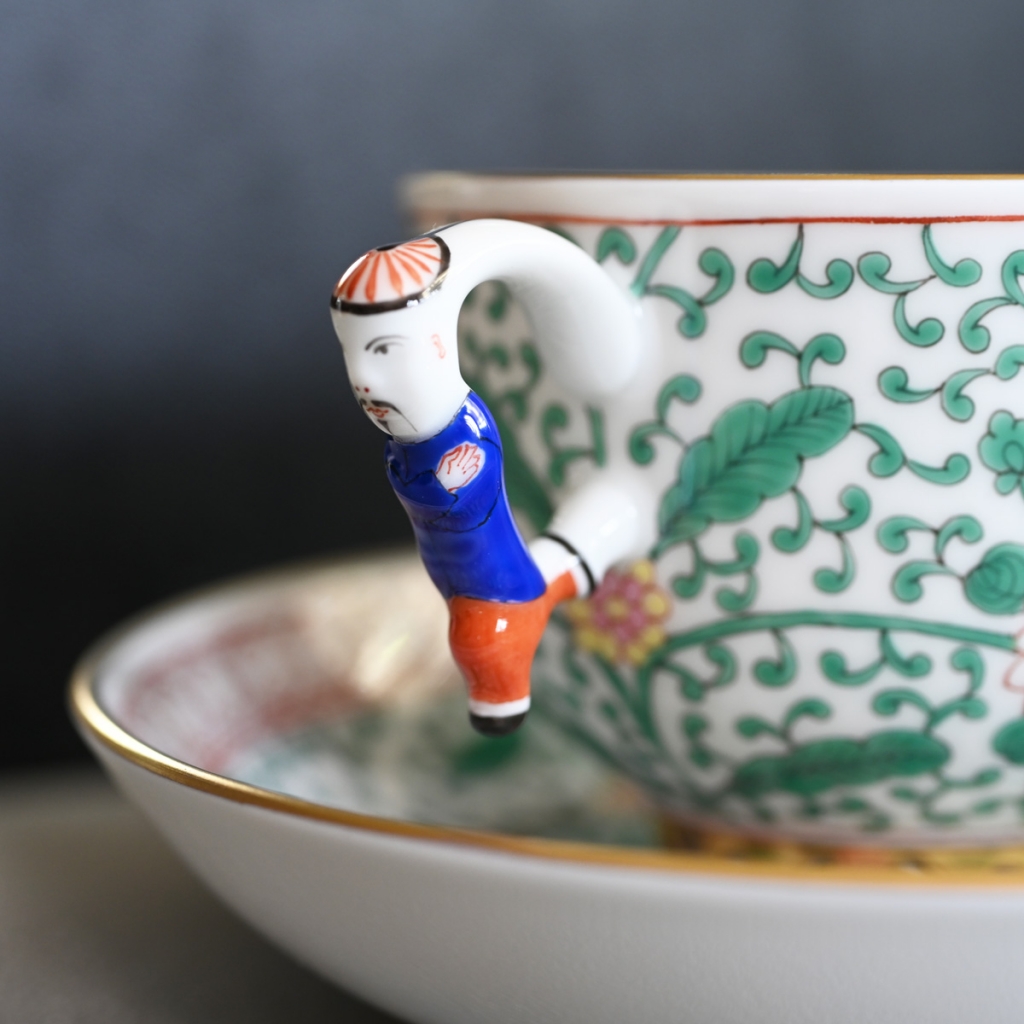
It blends arabian motives with Chinoiserie style, an aesthetic inspired by Chinese porcelain and European taste. The playful figure on the handle is a stylized 'Mandarin' who were high ranking officials in China.
Both the chrysanthemum flowers and the Arabesque motifs symbolize prosperity and embody timeless elegance.
Yellow Dynasty Large Cup and Saucer
 ☞ $1,760.00 / piece
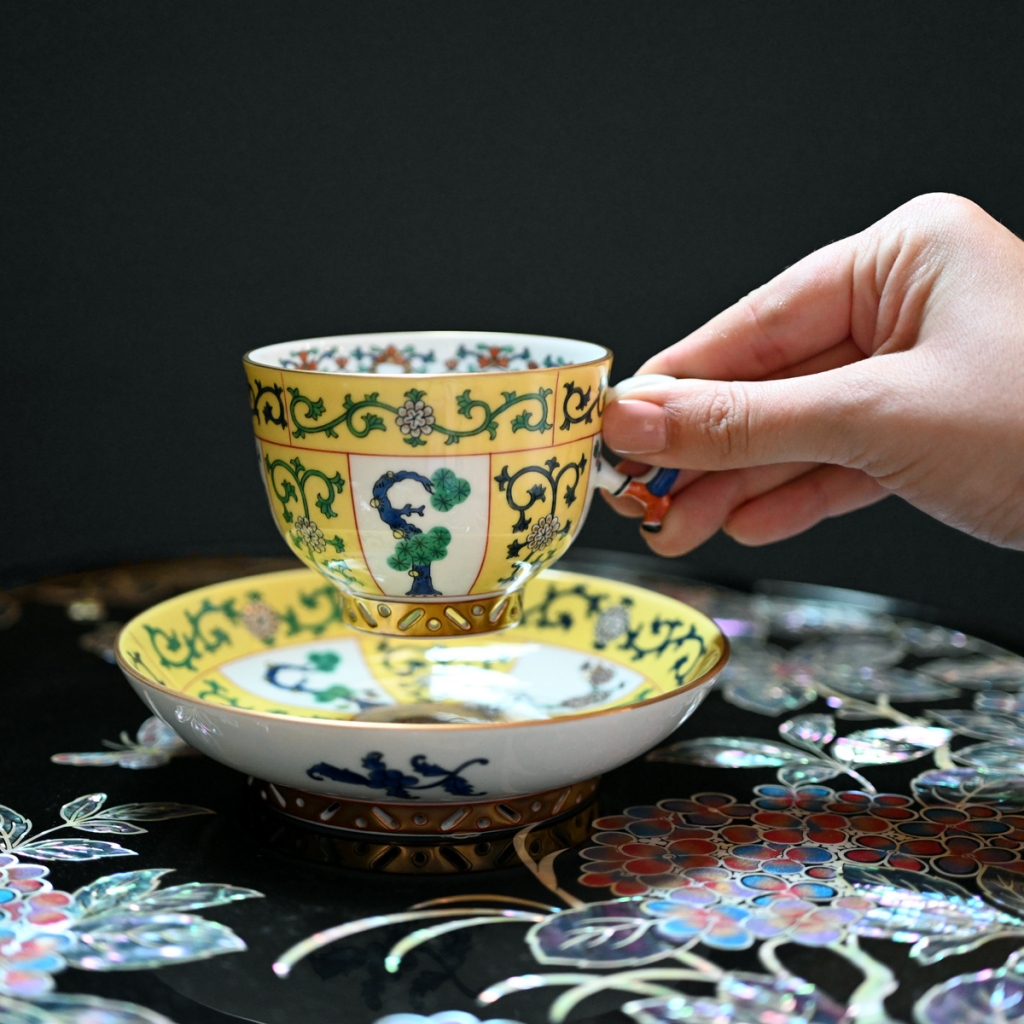
Much like the previous set, this Herend cup and saucer is also decorated in the Chinoiserie style. The pattern draws inspiration from the Three Friends of Winter—pine, bamboo, and plum. In the cold season, when most vegetation withers, these three plants remain strong and graceful, admired for their resilience and strength. Pine symbolizes longevity, bamboo represents flexibility and integrity, while the plum blossom—blooming even in the harshness of winter—brings hope and renewal.
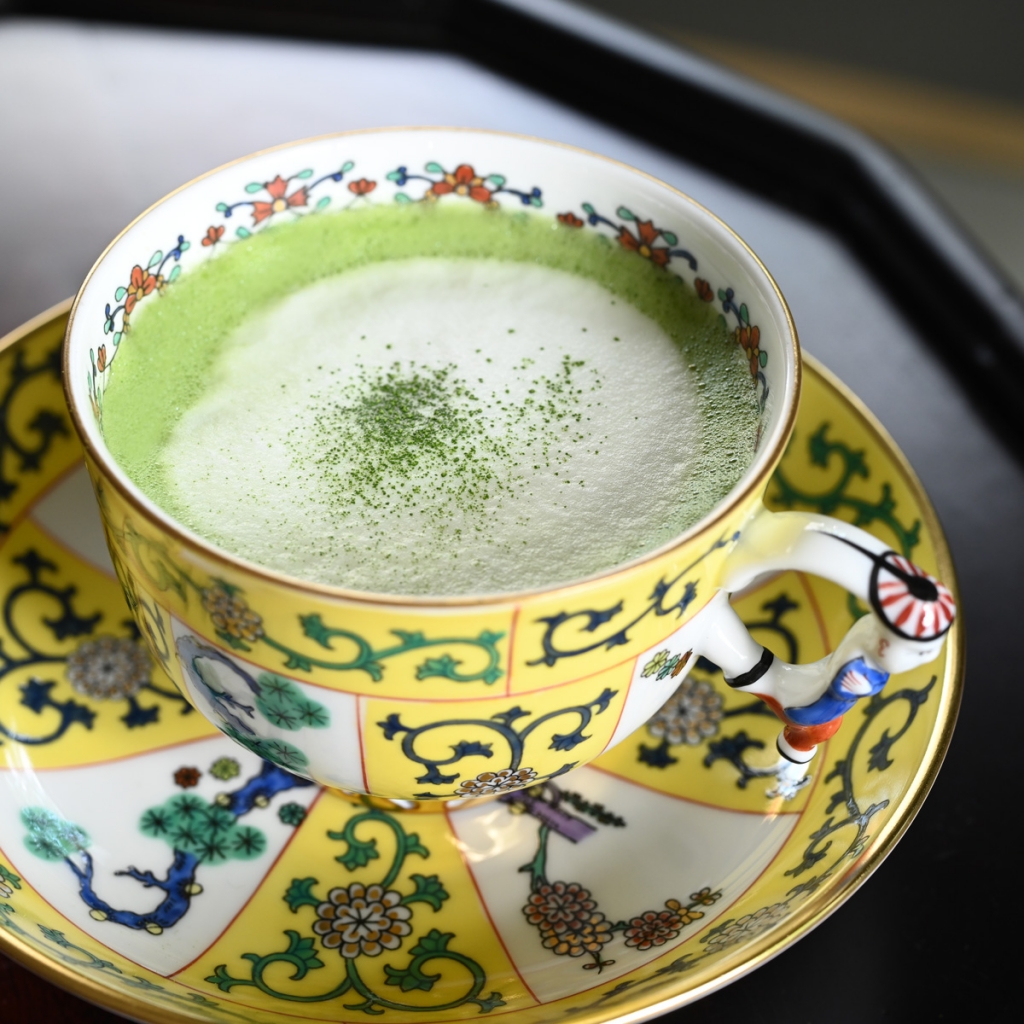
This design draws influence from Kakiemon porcelain, a Japanese porcelain with overglaze decoration originally produced in kilns around Arita in Kyusu, Japan's southernmost main island. This style, passed through Dutch trade routes, inspired the most prominent European porcelain makers like Meissen and Herend itself.
Originally crafted with a vermilion red background for Gödöllő Palace, where Empress Elisabeth (Sisi) resided, it exuded royal prestige. In the 1850s, the color was changed to yellow, the emperor’s color, evoking the golden hues of imperial China. This gorgeous, lightly gilded design is a beautiful example of Herend’s multi-faceted artistry.
Indian Flower Versitile Cup and Saucer
☞ $737.00 / piece
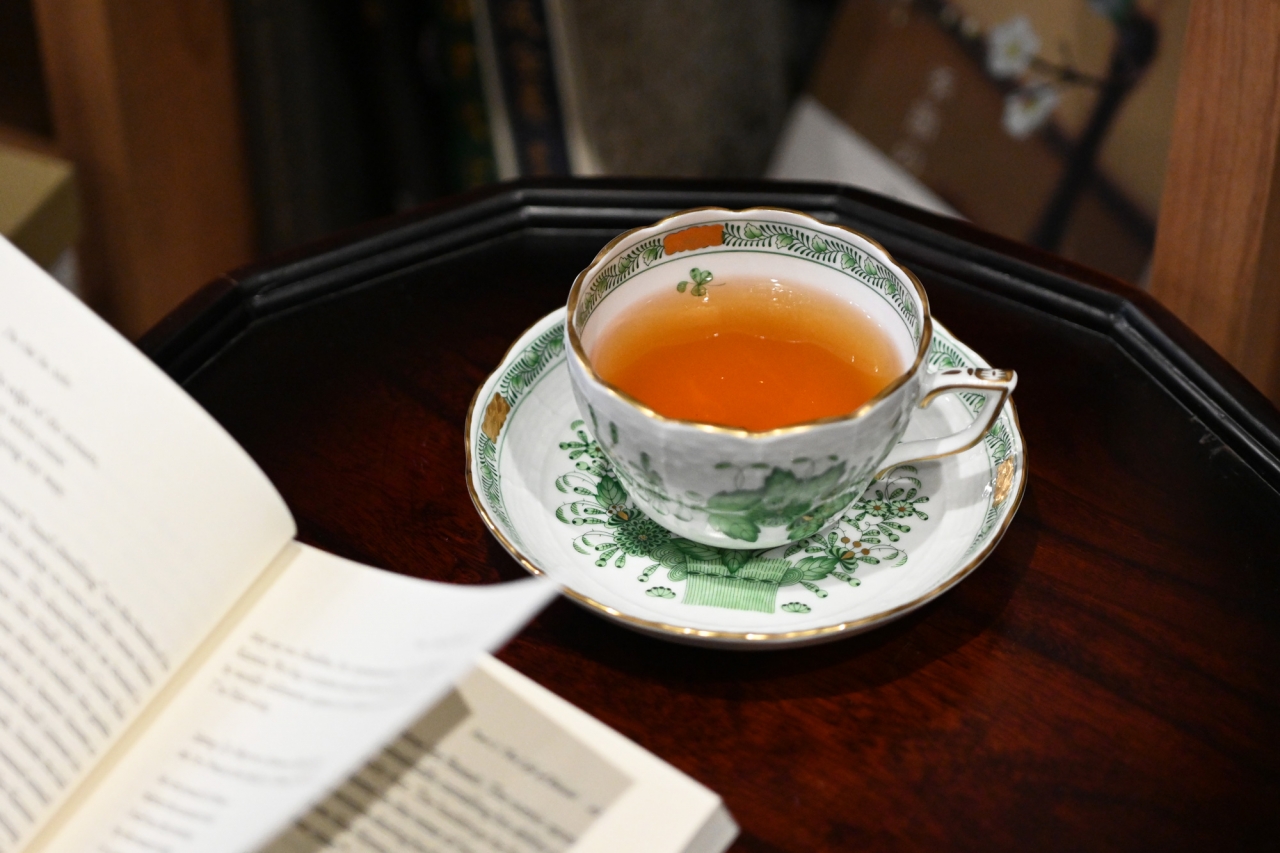
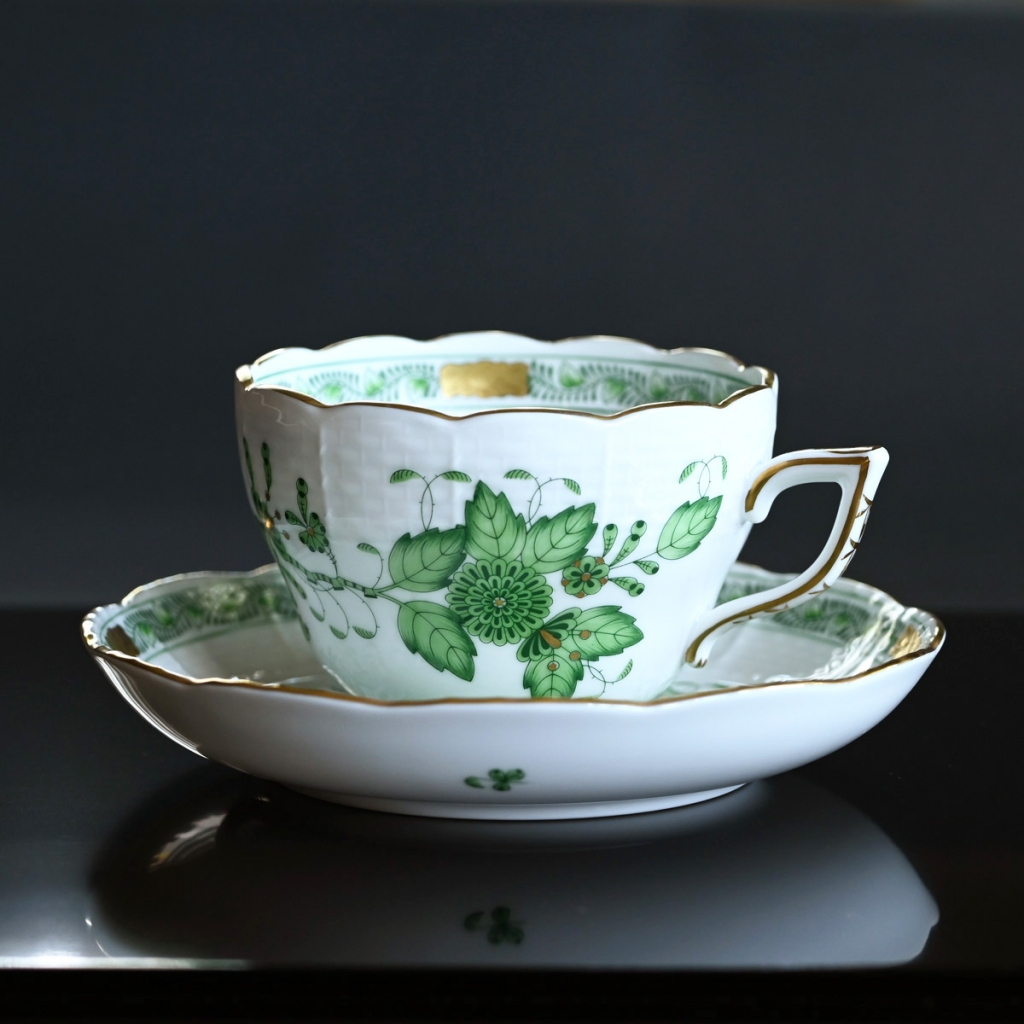
One of the unique features of this cup is its statuesque surface, reminiscent of a woven basket. It not only provides a beautiful backdrop for the hand-painted floral patterns but also offers a pleasing tactile experience. The style of this piece is also influenced by the Kakiemon technique, and the decoration is based on one of the oldest patterns Herend has used since the 1860s.
A set featuring this pattern was exhibited at the 1867 Paris World’s Fair, where Empress Eugénie, wife of Emperor Napoleon III, purchased a dinner service to host Austrian Emperor Franz Joseph during his visit—an event that added royal prestige to Herend’s legacy.
This now-iconic green pattern, actually has quite an unexpected origin. Originally, it appeared in pink and was already part of Herend’s repertoire. But its transformation into a bestseller began with a bit of a scramble.
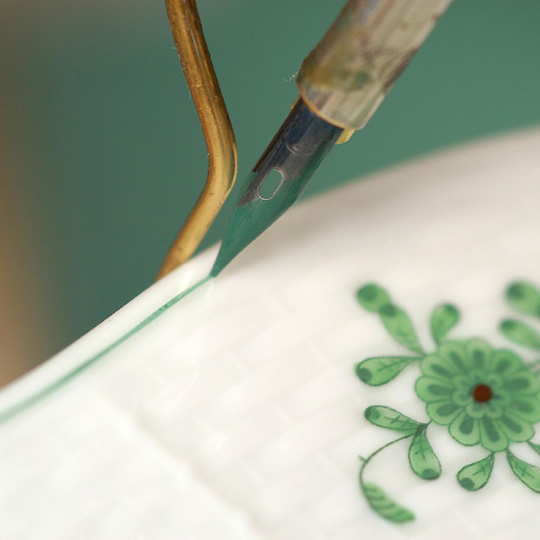 In 1930, a Hungarian count named Apponyi found himself in a rush. He was hosting an important dinner party and needed a new porcelain set—fast. Known for his rather forceful personality, the count pressured Herend to create something on short notice. Caught in a dilemma, the Herend artisans quickly came up with a solution: they simplified an existing design called “Indian Flowers.” The count approved, and the dinner was saved.
What no one could have predicted—neither the exacting count nor the hurried craftsmen—was that this last-minute creation would become one of Herend’s most beloved and best-selling patterns and color worldwide. This cup features the original rich Indian Flower Basket design in the iconic Apponyi Green.
Discover the timeless beauty of Herend porcelain at Sazen—where tradition, craftsmanship, and elegance come together. From royal courts to Japanese tea houses, Herend’s hand-painted art pieces have crossed cultures and centuries. Our curated selection features iconic patterns that blend Eastern and Western artistry, perfect for daily rituals or special moments. Shop our collection and bring a piece of history home with you.