Reading time about 20 min.
Incense Makes Its Way to Japan
Incense and the Way of Tea
Japanese Incense: A Quiet Kind of Scent
From Nature to Your Room: The Making of Japanese Incense
Shoyeido incense: Centuries of Fragrance
Incense SHAPE varieties at Sazen
Fragrance for Every Purpose
Incense burners
SPECIALITIES FOR THE INCENSE LOVER
Incense Makes Its Way to Japan
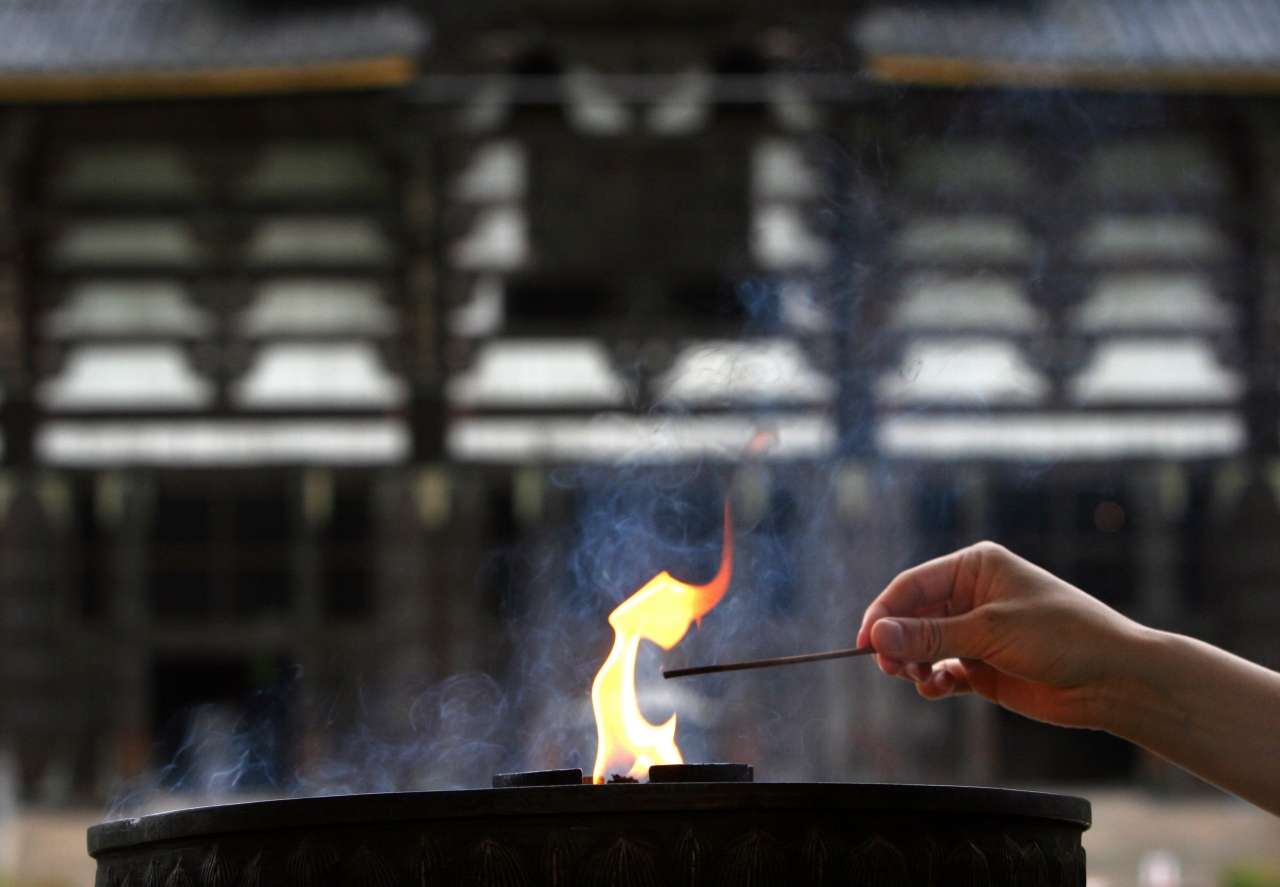
The love for pleasant scents is as old as civilization itself. In Japan, this appreciation is almost as old as Buddhism on the islands. Nobody knows for sure whether incense came to Japan together with Buddhist rituals or if it was discovered in another way. But there is an old and charming story about how it might have begun.
According to the Nihon Shoki, one of Japan’s oldest chronicles, a strange event once took place. One day, a large piece of fragrant wood drifted ashore on Awaji Island. Curious locals picked it up and tossed it into their fire. To their surprise, the air filled with a rich, heavenly aroma unlike anything they had ever smelled before. Realizing it must be something special, they quickly rescued the half-burned wood and presented it to the empress. That wood was later believed to be agarwood—also called aloeswood or jinkō—a precious material known in China for its deep, soothing scent. Whether this natural discovery came before or after Buddhist monks brought refined incense from the continent, no one can say. But from the 6th century onward, the Japanese passion for fragrant woods and incense spread far and wide.
As time passed, incense found new life beyond temples and rituals. During the Heian period (794–1185), Japan’s aristocrats began using it for pleasure. They gave fragrance to rooms and clothing, and it became a way to express one’s taste, intelligence, and sensitivity. A refined sense of fragrance was seen as a mark of culture and high rank. It was believed to cleanse the spirit and calm the heart, so samurai would burn incense before setting out for battle, or to find peace in the between fierce fights.
Incense and the Way of Tea
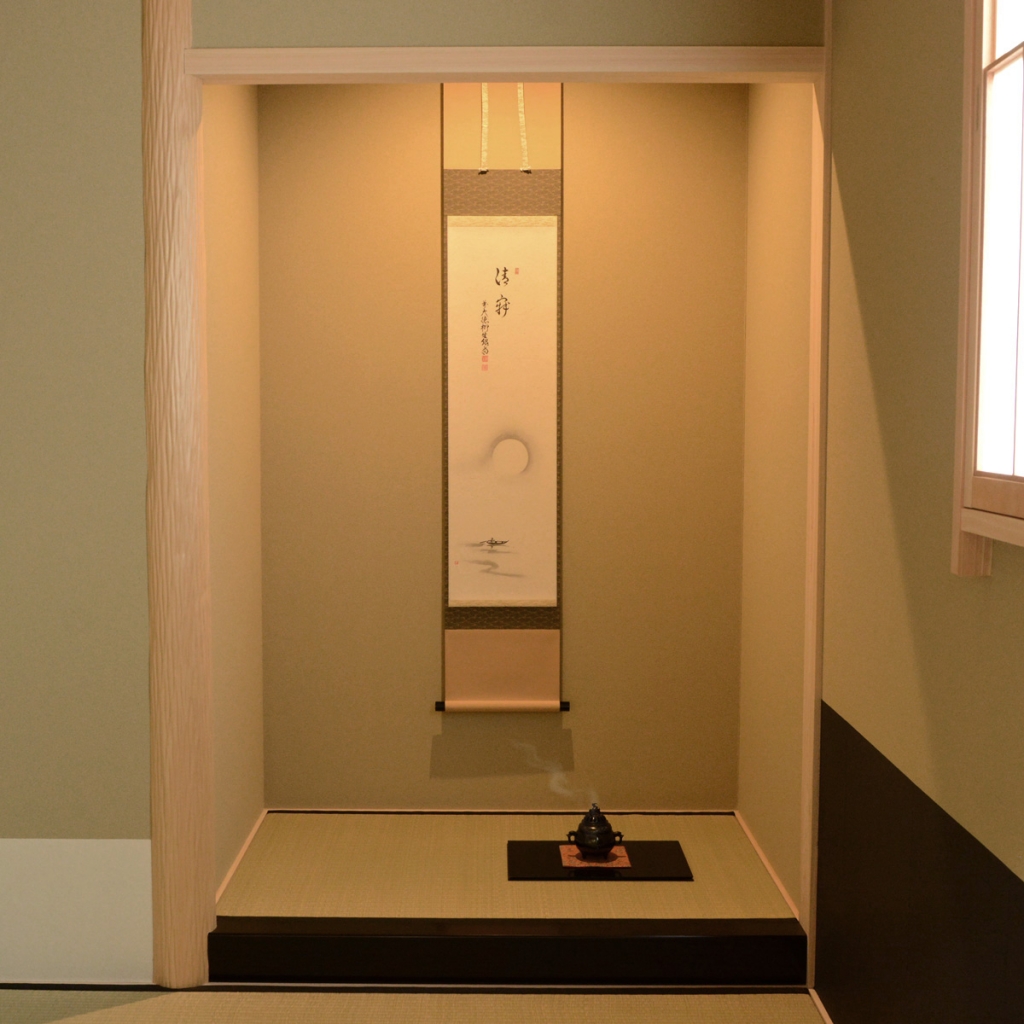
When the tea ceremony began to take shape in the 16th century, it soon became intertwined with the art of incense and that tradition continues to this day. Purification is key to Japanese culture and is key to the tea practice. Both the heart and the space where a ceremony is held needs to be cleansed. As the host cleans and prepares the tearoom to welcome guests, a small piece of incense, often bought from temple stores, would be lit. Its fragrance is never meant to compete with the aroma of tea, but to gently cleanse the air and mind. By the time the ceremony begins, the incense has burned away, leaving only a lingering presence that sets the mood for harmony and reflection. It didn’t take long before incense found its own path and became an art in its own right. Just as Sado is the way of tea, Kōdō is the way of fragrance. Alongside Sado and Ikebana (flower arrangement), it came to be recognized as one of the three classical Japanese arts of refinement.

Japanese Incense: A Quiet Kind of Scent
In contrast with incense traditions in other cultures that may favor strong, sweet, or heavy aromas, Japanese incense is usually soft, calm, and subtle. It is designed to enhance contemplation, spiritual practice, or a tea ceremony, rather than dominate a space. Each ingredient plays a role in creating this quiet harmony of scent. Each ingredient plays a role in creating this quiet harmony of scent.

Woods: Sandalwood and agarwood form the heart of many blends, offering deep, warm, and calming aromas.
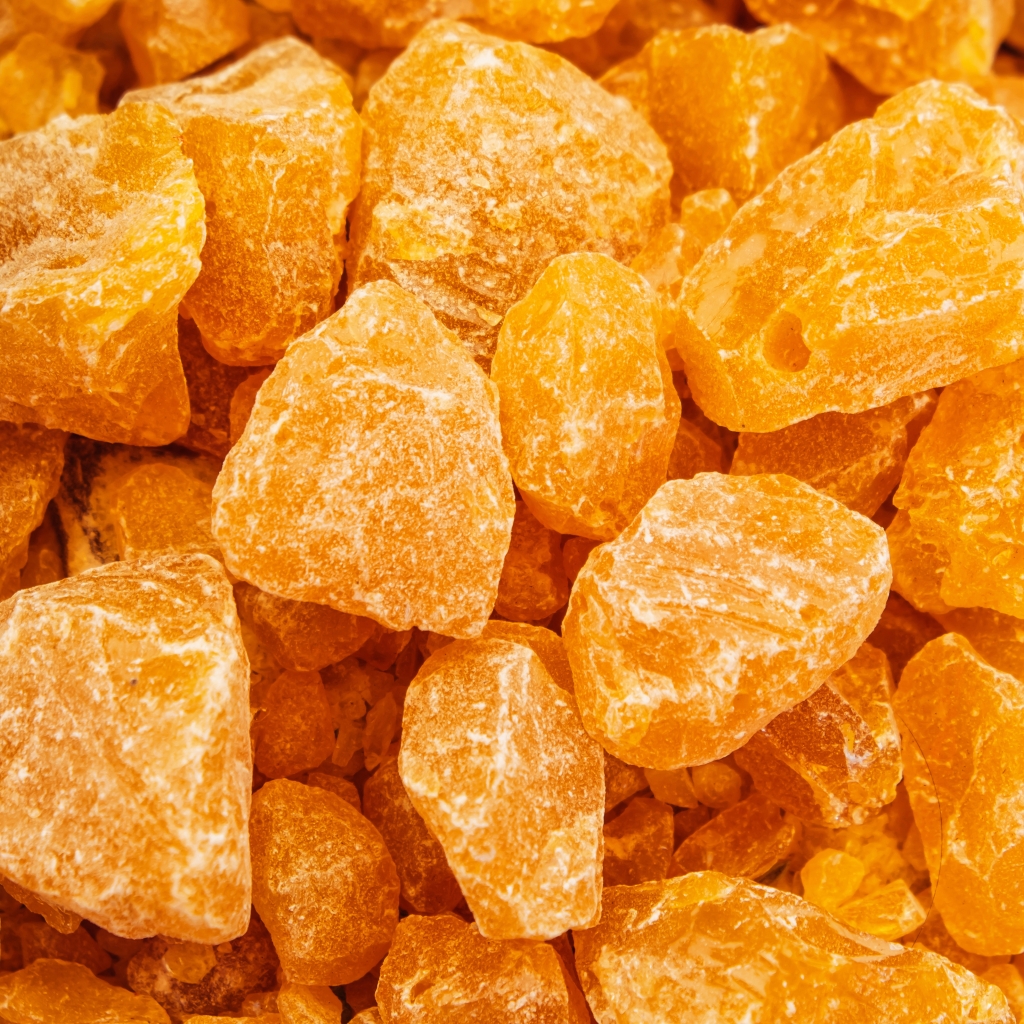
Resins: Benzoin adds a sweet, balsamic note, while borneol and camphor provide a crisp, refreshing edge.
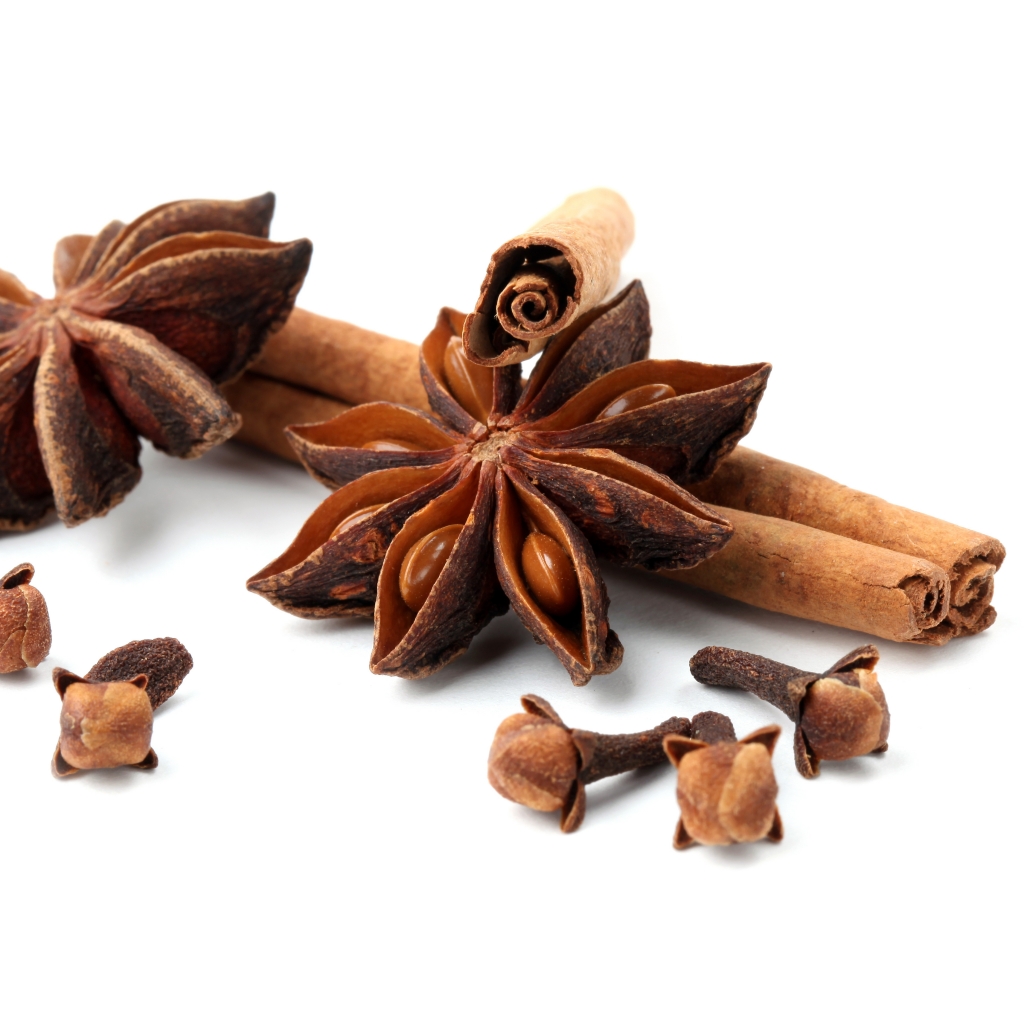
Herbs & Spices: Clove, cinnamon, ginger lily, and star anise bring complexity and character.
Every component is measured and blended with skill, carefully balanced so no single scent overwhelms another. The result is a fragrance that evolves gradually and leaves a gentle, lasting impression.
From Nature to Your Room: The Making of Japanese Incense
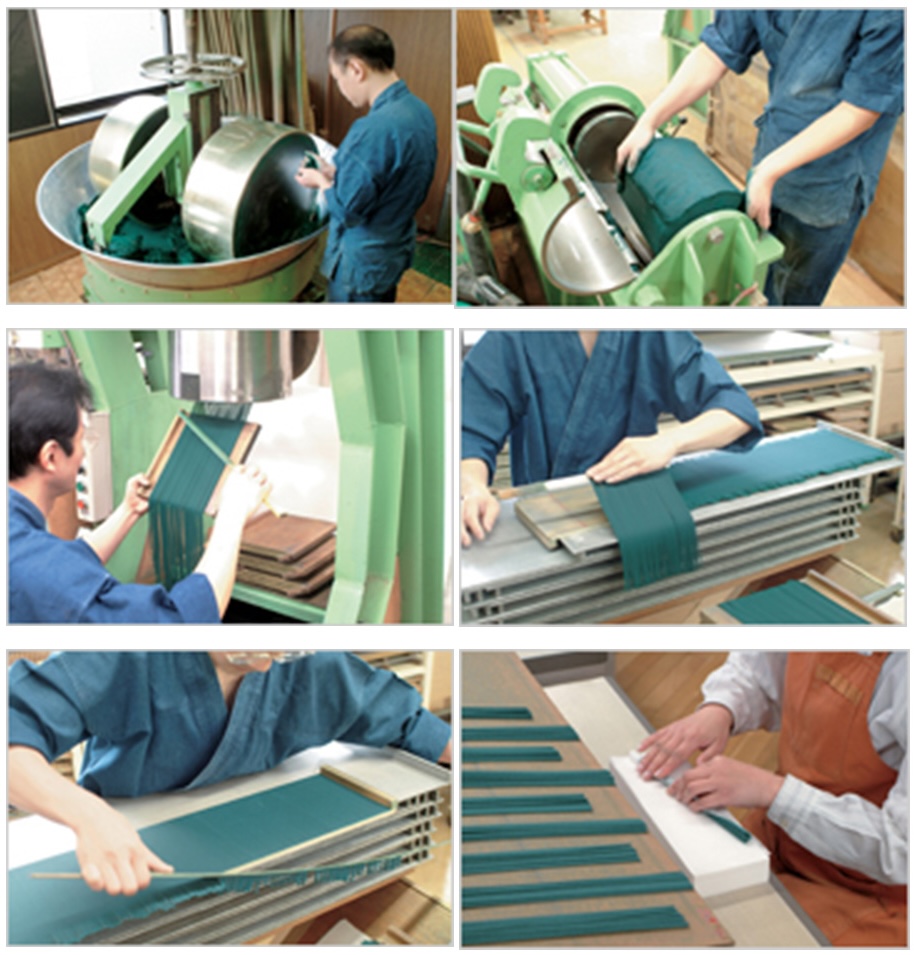 Making Japanese incense starts with natural ingredients ground into fine powder and mixed according to traditional recipes. The blend is sifted to remove any rough pieces, then mixed with water and natural mineral coloring until it becomes a soft, smooth dough.
The dough is pressed into a cylinder and placed in a machine that pushes it through a steel mold called a sugane, forming long, thin strands — much like noodles. These soft strands land on a wooden board called a bon-ita.
Each stick is trimmed by hand with a bamboo knife and then left to dry slowly for several days. This helps the fragrance settle and develop its gentle aroma.
Finally, the incense is cut to size, weighed, bundled, and packaged, ready to be enjoyed.
Shoyeido incense: Centuries of Fragrance
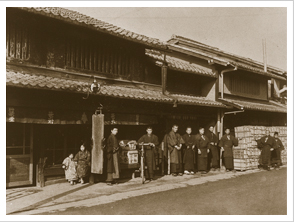
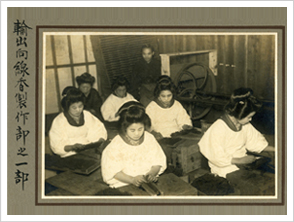
Incense has long since moved beyond temples and castles to become part of everyday life. Sazen offers incense from Shoyeido, one of Japan’s oldest incense makers, based in Kyoto. Founded in 1705 by Hata Rokuberi, an incense enthusiast who worked at the Imperial Palace, Shoyeido remains a family business run by the twelfth generation of the Hata family. Techniques, recipes, and traditions have been passed down through centuries, preserving the art of authentic Japanese incense.
Shoyeido exclusively uses natural ingredients, avoiding synthetic fragrances or heavy powders. They emphasize that their incense “matures and improves with time” because natural materials continue to develop even after production.
Shoyeido still uses their centuries old secret recipe for religious orders and it has three main incense types based on grades.
Incense SHAPE varieties at Sazen
Sazen offers three incense varieties, perfect for bringing the art of fragrance into any home.
Stick Incense
 This is the most popular form of incense. Available in a variety of fragrances and lengths, stick incense can be used to scent a large room or for religious and ceremonial purposes. Burning time corresponds to stick length, and it can be adjusted by trimming the stick to the desired size. Thanks to its uniform thickness, the fragrance is released evenly and gradually, creating a consistent and lasting aroma.
➤ Check out our incense stick collection here.
Coil Incense
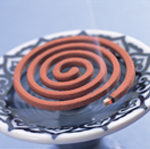 Coil incense is distinguished by its exceptionally long burning time, making it ideal for scenting large spaces such as lobbies or outdoor areas like porches or balconies. Its spiral shape allows the fragrance to be released steadily over an extended period, providing a continuous, subtle aroma throughout the space.
➤ Check out our coil incense collection here.
Cone Incense
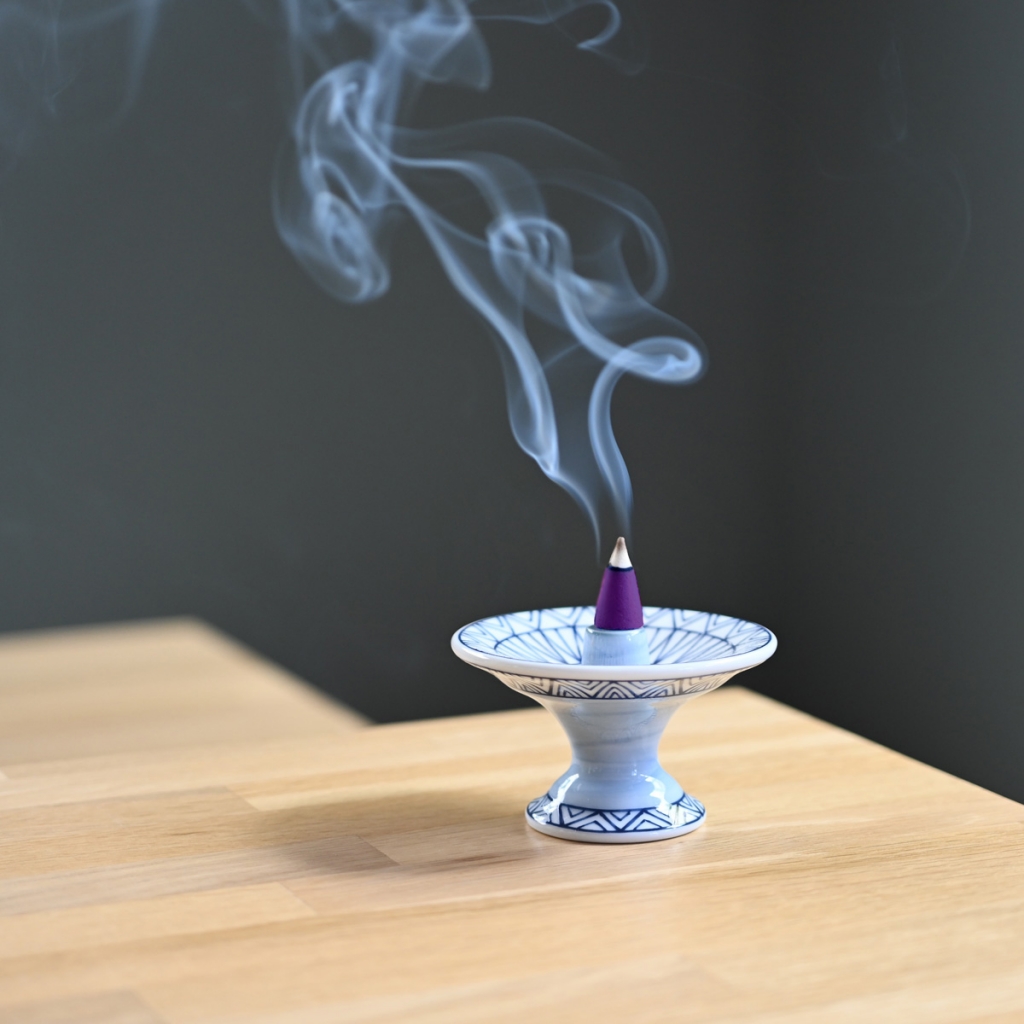 Cone incense delivers fragrance quickly and effectively. Unlike sticks, the scent intensifies as the flame burns downward into the wider base of the cone. This makes cone incense ideal for filling a room with aroma in a short amount of time.
➤ Check out our cone incense selection here.
Fragrance for Every Purpose
Premium Incense for special occasions
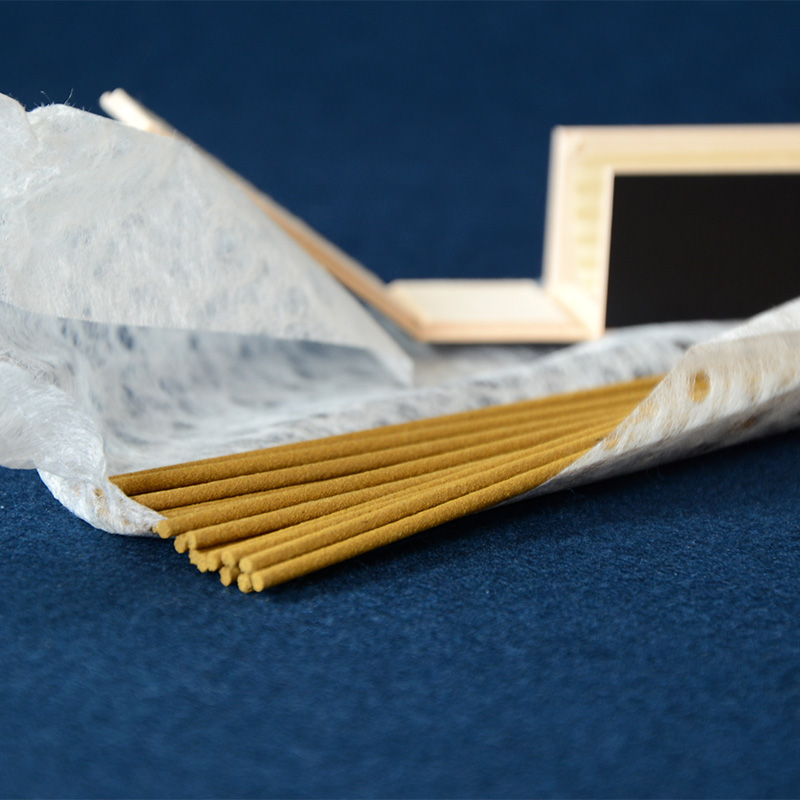 Shoyeido’s finest limited incenses are crafted from centuries-old recipes and the highest-quality ingredients for special occasions.
Each stick is handmade by skilled artisans, with the incense density precisely adjusted for the ideal burn. Nearly 400 sticks are laid on a flat board and carefully cut with a bamboo knife while still soft.
➤ Check out our premium incense collection here.
Incense for daily use at best prices
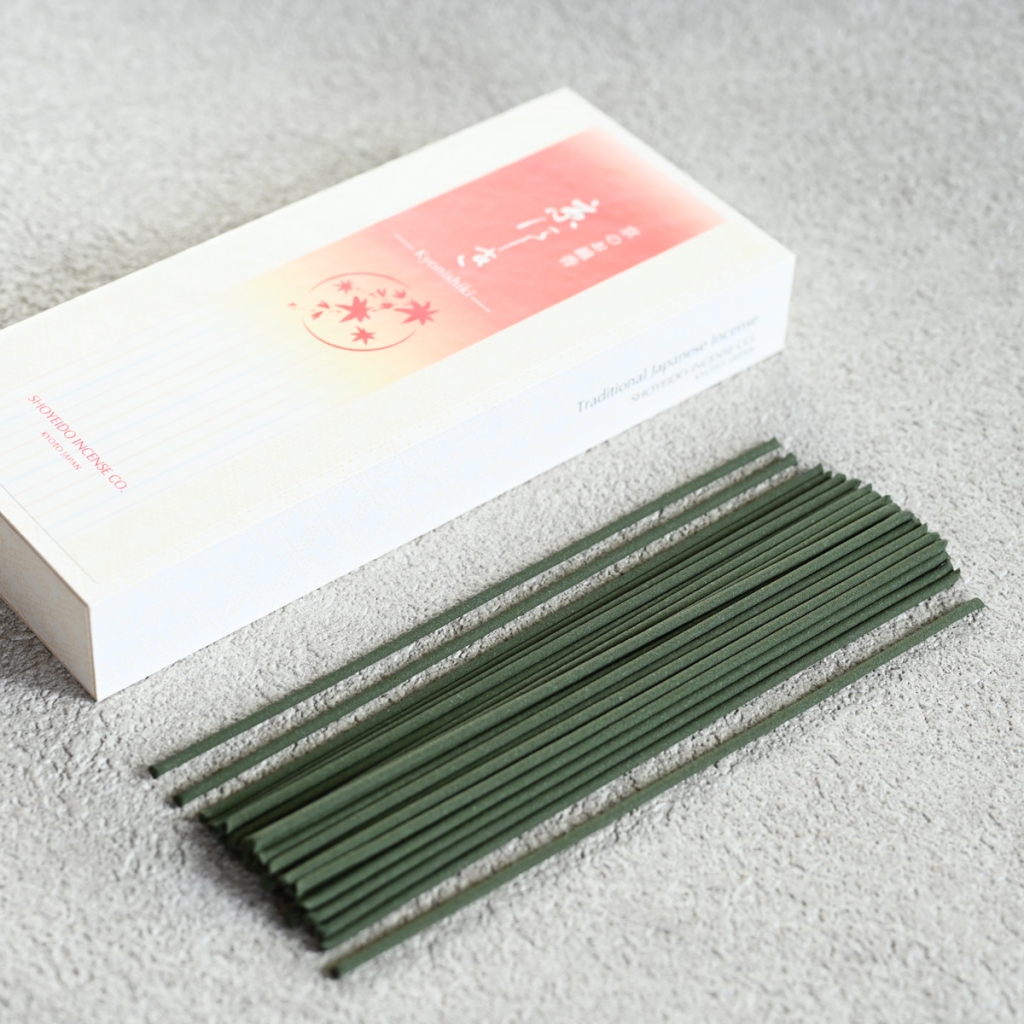 This category offers the widest variety of fragrances, each inspired by the rich landscapes and traditions of Japan — from tranquil temples and iconic gardens to the beauty of the changing seasons and blooming flowers. Each scent blends 20–50 natural ingredients into soothing, evocative aromas that bring a touch of Japan’s calm and beauty to your everyday life.
➤ Check out our daily incense collection here.
Low-Smoke Series for small rooms
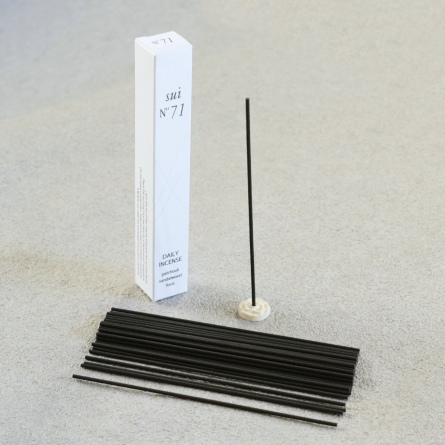 Designed to enhance any occasion with a gentle spiritual nuance.
Emits 30% less smoke than traditional incense while maintaining its rich fragrance — perfect for smaller spaces and sensitive noses.
➤ Check out our low-smoke incense collection here.
Incense burners
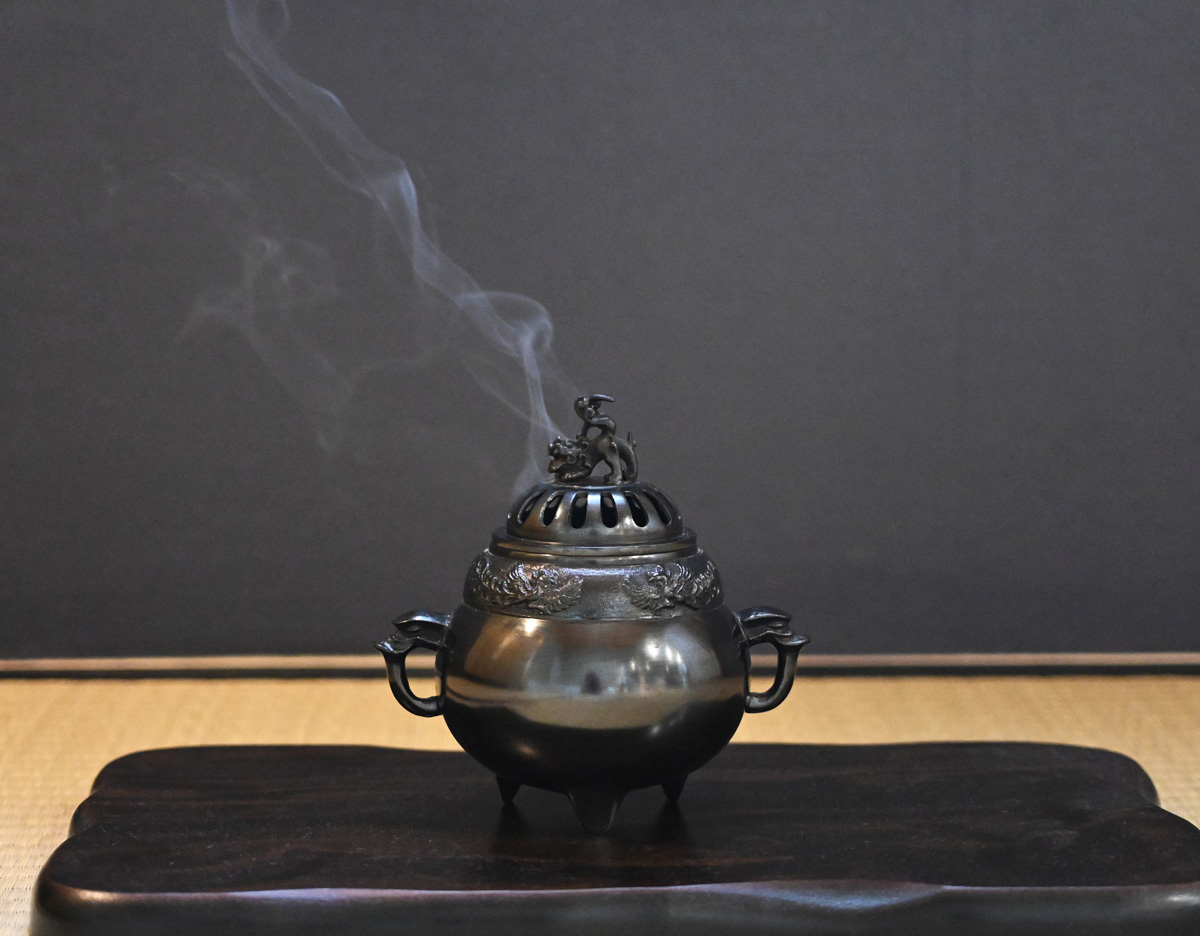
Each kind of incense needed its own type of burner. The earliest burners came from designs inspired by China and Korea — often made of bronze or ceramics — and were used in temples for religious rituals.
As time passed and the Heian era arrived, incense found its way into the elegant courts. The burners became smaller and more delicate, made to sit neatly on writing tables or beside graceful hands at leisure.
Centuries later, by the Edo era, incense was no longer just for nobles or monks. Wealthy merchants brought its fragrance into their homes, and soon, it became a simple pleasure for almost anyone who wished to enjoy its gentle scent.
Kōrō - traditional incense holder
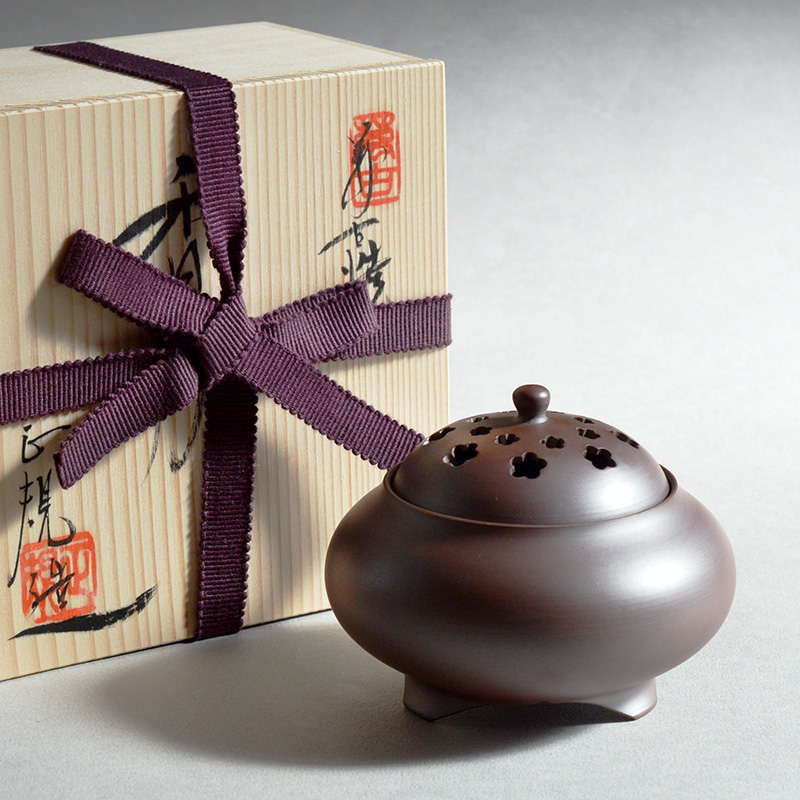 The three-legged incense burner, or kōro (香炉), is one of Japan’s oldest and most traditional types of incense holders. Originally made of bronze or ceramic, these vessels were filled with fine ash into which incense powder or sticks were placed. In temples, large kōro were used during Buddhist rituals to purify the space and offerings with fragrant smoke. The three-legged form remained popular for its balance and symbolism — the shape representing stability and harmony. These versatile burners can be used with nearly any type of incense. You can insert stick incense into the ash, place cones on top, or enjoy powdered incense and traditional incense pearls alike.
➤ Check out our kōrō collection here.
Incense Stick Burner
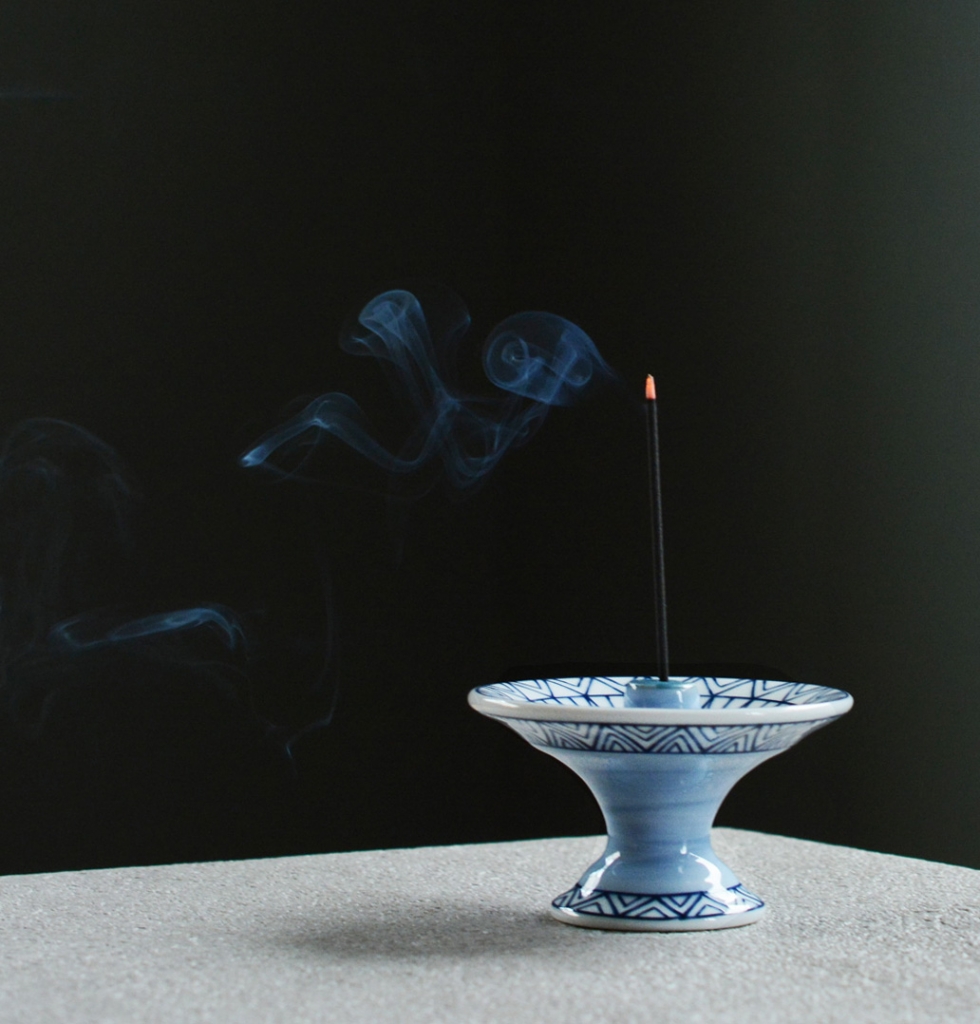 Burners designed specifically for incense sticks are a relatively modern type, available in a variety of stylish and elegant designs. They take up little space and are easy to clean. These burners can serve as charming decorations, yet are simple to store away when not in use, as they produce no ash.
➤ Check out our incense stick holder collection here.
Cone Incense Burner
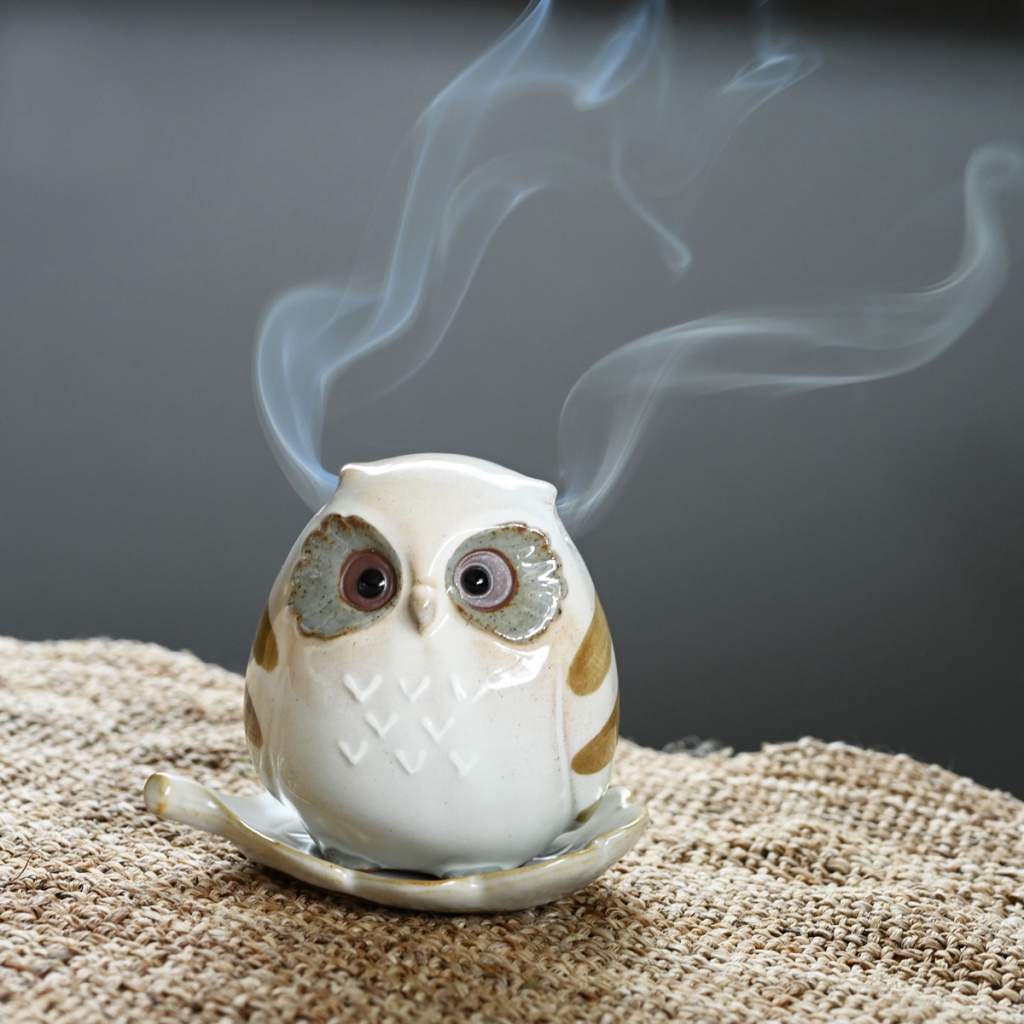
There are many similarities between cone and stick incense burners and there are many burners that can accomodate both. Compact and convenient.
➤ Check out our cone incense holder collection here.
SPECIALITIES FOR THE INCENSE LOVER
Kōgō Iroe Yukiusagi - Incense holder for the connoisseur
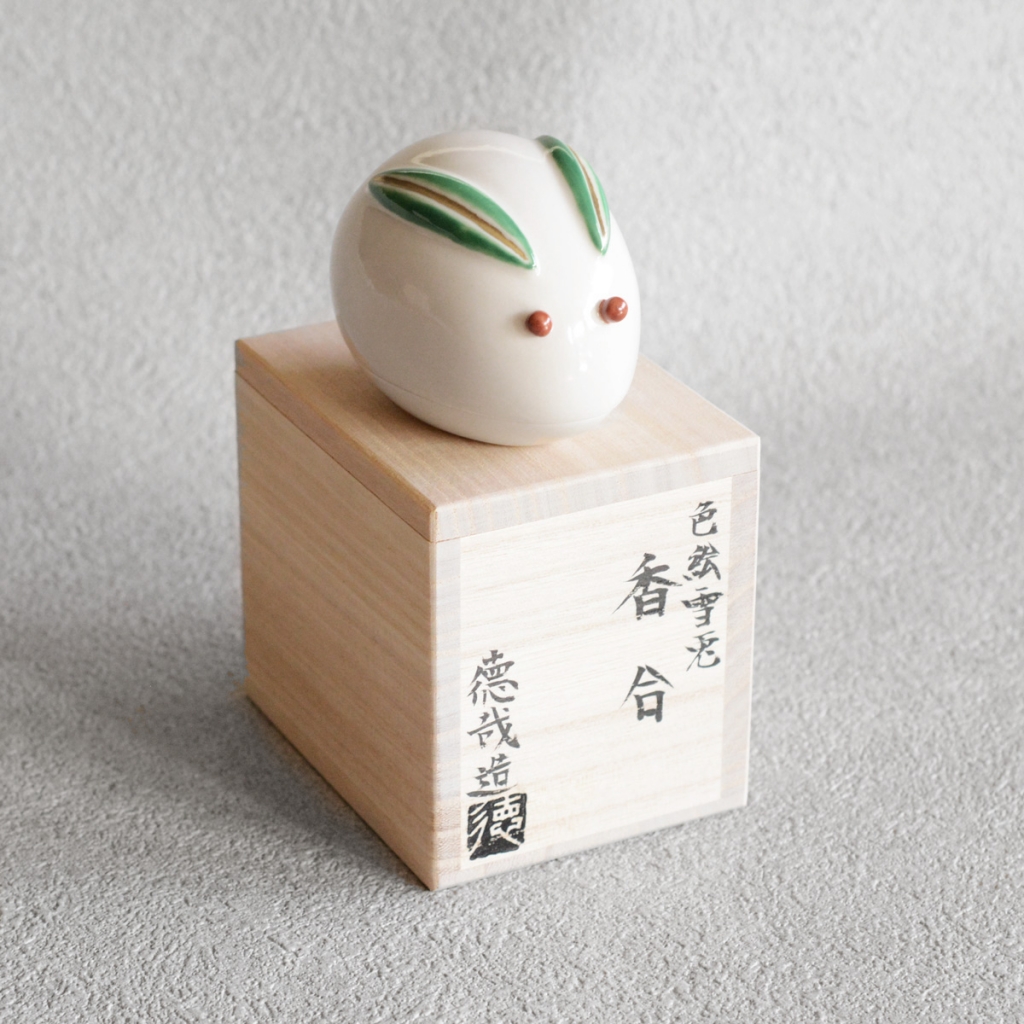 ☞ $308.00 / piece
Material: clay
Dimensions: H: 7.3 cm, ø: 5.4 cm
Those who practice tea ceremony use special kinds of incense, shaped into small, round balls, which are kept in delicate containers made just for them. These little treasure boxes are called kōgō. The kōgō may be small, but it holds a world of beauty inside.
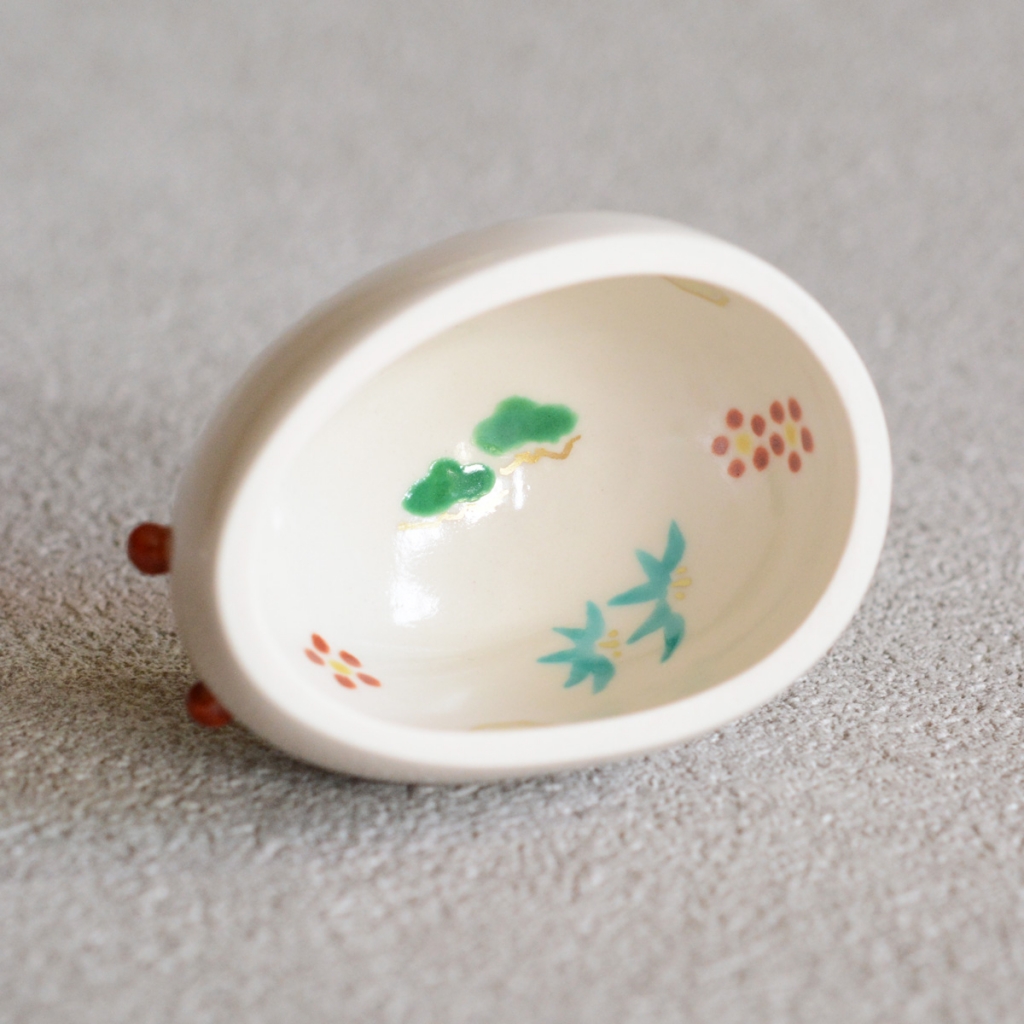 It’s a tiny, elegant container made to keep the little balls or chips of incense used during the ceremony. Their designs often followed the seasons, and it is a symbol of thoughtfulness and harmony. They rest easily in the palm of your hand, yet hold within them centuries of tradition and artistry.
Zu-koh incense powder and case set: Wear your incense!
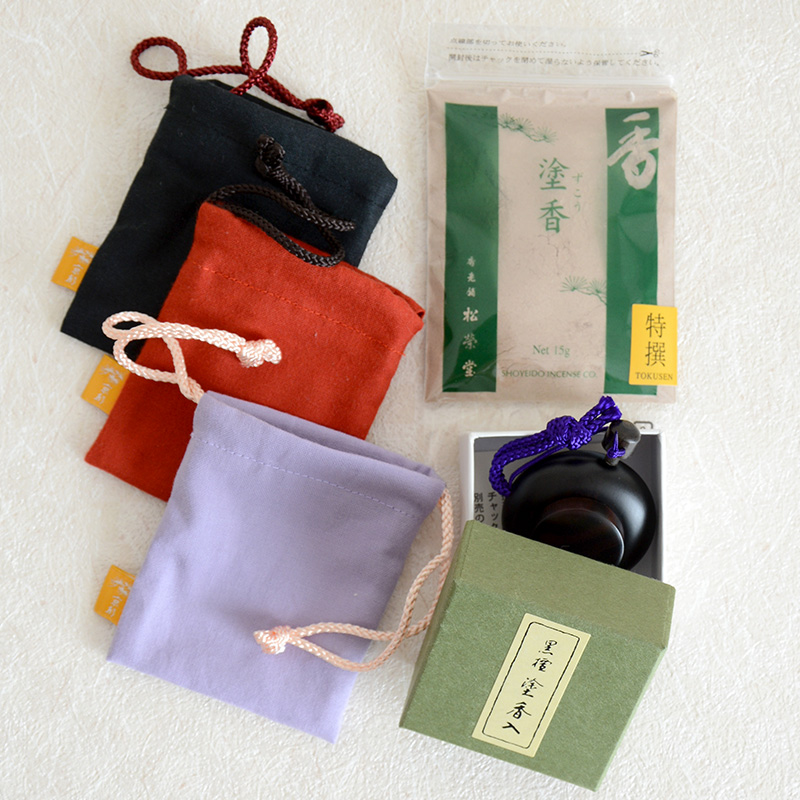 ☞ $64.90
Material: incense holder: ebony
Dimensions: Powder case ø: 4 cm, Powder case pouch 8 x 6.5 cm
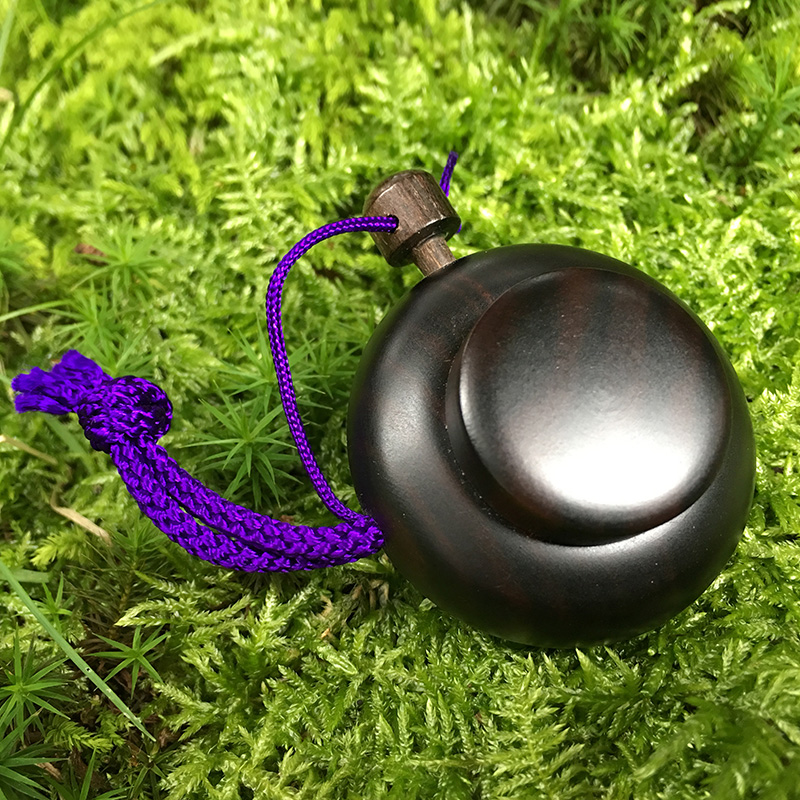 Sandalwood, clove, and cinnamon are classic base notes in many perfumes—so why not enjoy them in their natural form? Zu-koh is a wearable incense powder made from powdered natural ingredients. Simply spread a small amount on your wrists to create a personal, lingering scent. This set includes three beautiful fragrances and a polished ebony powder case, making it easy to carry and enjoy your incense with style.
From temple rituals to quiet tea gatherings, incense continues to weave its fragrance through Japanese life. Each wisp of smoke carries centuries of artistry, harmony, and a quiet reminder to slow down and focus on the present moment. Bringing Japanese incense into your home is more than adding a pleasant aroma, it’s inviting a piece of history, culture, and mindful beauty into your daily life.
Let the subtle warmth of sandalwood, the gentle sweetness of clove, and the calming spice of cinnamon transform your space. Whether for meditation, relaxation, or simply to create a moment of calm, Japanese incense offers a quiet elegance that lingers long after the flame has faded.
DISCOVER SAZEN'S INCENSE OFFERS
HERE
explore incense, burners, and everything related to the art of fragrance.