Next >>

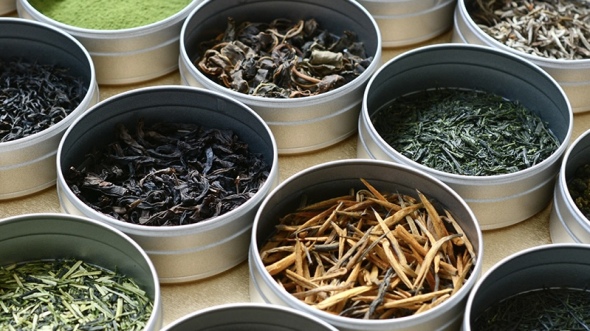
Tea has accompanied humanity for thousands of years.
It is said that the connection between humankind and tea began some five thousand years ago, when the legendary Chinese emperor Shennong (Shen Nong), the mythical father of agriculture and herbal medicine, encountered tea in the famous mountainous regions. While boiling water in the mountains to test various herbs, leaves from a tea plant fell into his pot, releasing a refreshing aroma. Upon drinking it, he discovered its detoxifying properties, marking the legendary moment when humanity first met tea.¹
In China, where the principle of “medicine and food sharing the same origin” (医食同源) forms the foundation of health practices, all teas are classified according to their effects on the body - cooling or warming.²
 By selecting and drinking teas according to the season and one’s personal physical condition (and environment), people can utilize tea to promote health, balance, and well-being.
The beauty of tea lies in understanding the unique properties of each type, carefully selecting from the vast array of options the one that best suits your own body, and incorporating it naturally into daily life, from season to season, to maintain health with ease and in harmony with nature’s constant flux and flow.
OUR WINTER WARMING FAVORITES –
TEAS WITH EXCEPTIONAL WARMING PROPERTIES
BLACK & DARK TEA
In winter, there are two essential priorities: staying warm and staying strong by sustaining a resilient immune system. Tea offers support on both fronts.
Black teas and dark teas are especially valued for their warming character. In traditional tea culture, they are believed to help the body maintain inner warmth, making them particularly suitable for cold weather. Their deeper oxidation and fuller body create a comforting heat that lingers, warming the limbs, the breath, and the core. We need to be cautious with iced black tea or cooled black tea though as it diminishes the stomach-warming effect.

Sazen Original Winter Tea Blend
This original Sazen blend combines woodsy-deep Mei Zu Qing shū pu-erh with honey-kissed Yunnan black tea and sweet goji berries for a warming and relaxing blend. Rich in amino acids, beta-carotene, B vitamins, calcium, and iron from goji berries, it revitalizes the body, and supports a strong immune system-ideal for cold seasons. After you made the best out of your brews, the goji berries make a delicious snack.

Rosecha is an aged organic black tea from Shizuoka, a rare type of Japanese tea. It undergoes a special black koji fermentation, a traditional method that develops gallic and citric acids, believed to support digestion and provide warming, restorative effects. This unique processing gives the tea a rich, complex character, with sweet, mellow notes of caramel and delicate floral undertones which makes this tea delicious and really comforting on dark, chilly winter days.

Deep in Lincang city, Yunnan Province—a land famous for ancient tea trees and the legendary pu’er—grow those 500-year-old trees this exceptional black tea is from.
The tea is smooth and velvety with a natural grape-like aroma that grows richer with time. Sweet, aromatic, and elegant, this tea is a wonderful treat for winter days.

Hidden in the misty heights of Da Xue Mountain, Lincang, lies a lesser-known haven of ancient tea trees, some hundreds of years old. This tea comes from 300-year-old trees, with long, full leaves flecked with tiny golden tips.
The tea is sweet and fragrant, with notes of muscat grape and ripe apricot. A perfect companion for cozy winter afternoons, or a thoughtful gift for tea lovers.

10-year-aged ripe puerh cured in king orange, citrusy-woodsy, many steeps for all-day warmth; puerh supports digestion and immunity.
Countless steeps, flavors smoothing.
Perfect for large or a day-long tea session.

This raw pu-erh from Bing Dao village in Yunnan is made from high-altitude tea trees that are 150–200 years old. This 2021 spring batch tastes mellow and naturally sweet, with light floral and fruity notes and a faint smoky pu-erh finish.
The tea holds up over many brews. With time, it continues to age well and becomes even sweeter.
WOODY, SMOKEY OOLONG TEAS
Chinese dark oolongs are especially good for winter. Teas with darker leaves that have been deeply roasted—such as Wuyi rock tea or Phoenix Dancong—naturally feel more warming, with richer flavors that are comforting in cold weather.
Rock teas are a group of oolong teas grown in the Wuyi Mountains of northern Fujian, China. They grow in a rocky, mineral-rich soil which shows in their character. These teas are often roasted, which adds warmth and a toasty-chocolatey aroma that makes them especially comforting in cooler weather.
Teas from the Phoenix Mountains are unlike those from any other region. Grown in volcanic soil on cool, humid slopes, these oolongs are highly fragrant, with distinctive floral and fruity character that sets them clearly apart.

Versatile Oolong Discovery – a great choice for those who love to explore and enjoy multiple flavors.
The assortment includes five teas from different aroma types and five iconic traditional varietals, each providing 6 g (2 servings).

This tea is one of the Four Famous Wuyi Teas with a long history.
The gingerbread and honey notes make it great for the festive season.

A legendary rock tea. This gold-prized premium rock tea is a real rare delicacy with fruity, milky aroma and a woodsy-earthy-spicy body. Sensual, lasting, and mind-blowing across brews.
It warms both the heart and the body.

This prestigious rock oolong comes from Niu Lan Keng (Golden Chair) in the Wuyi Mountains, grown with abundant sunlight and pure waters. The leaves offer a complex fragrance of dried prunes, cacao, and fresh vanilla. The flavor is rich, earthy, and fruity. Known for its mineral and toasty character, it warms the body on cold days.
STRONG ROASTED GREEN TEAS TO HELP YOU RELAX
Green tea contains theanine, a unique amino acid discovered in 1950 by Dr. Yajiro Shito. Found only in tea (not in coffee or cocoa), theanine gives high-grade green tea its refreshing sweetness and umami depth. In Traditional Chinese Medicine and modern understanding, theanine works softly to calm the mind and body.
When you drink tea, theanine increases alpha brain waves, the relaxed-yet-focused state where stress melts away and concentration sharpens. Studies show that drinking water with 200 mg of theanine (roughly the amount in 10 g of quality tea) clearly boosts alpha waves within 30 minutes.

Green tea uniquely pairs theanine with caffeine: the caffeine provides gentle alertness, while theanine softens its excitement, creating perfect, balanced relaxation. Theanine content in green tea typically ranges from 0.6–2%, delivering that signature sweet-umami taste and profound calming effect on the brain and nervous system. Beyond mental peace, it helps release muscle tension, dilates blood vessels, improves circulation, and warms cold hands and feet, especially welcome for women in winter.³
The true calming happens in the ritual itself. As Sazen Tea members relate: "Opening the tea bag or canister, inhale the fresh aroma, measure the leaves with reverence, and watch them unfurl in hot water. The slow pour, the rising steam, the first sip that warms from the inside, each small step is a moment to start the day." Brewing tea becomes a daily meditation: a few minutes to pause, breathe, and begin the day.
These selected green teas reflect warming and relaxing aspects due to their production.

Premium Japanese green tea from Wazuka-cho, Kyoto Prefecture, using Yabukita cultivar. Strongly roasted, with toasty notes of cashew nuts and pumpkin seeds.
First brew nutty, second more verdant; silky-oily with sweet chestnutty aroma. The roasting brings warmth, ideal for those treasuring green tea’s refreshing moments in colder seasons.

Pan-fried green tea from Saga Prefecture, Yabukita cultivar.
Gentle bitterness, layered aroma with grassy, subtle berry notes; long-lasting almond-like aftertaste from pan-firing. Bolder flavor suits hotter brewing in colder seasons, even as a green tea.

This premium green tea comes from Anji County in Zhejiang, where the rare Bai Ye No.1 cultivar is harvested each spring for its delicate, white-tinged buds.
The tea that fills the room with cinnamon roll and cacao aromas, is naturally sweet and comfrting with its almond cookie and cacao-wood notes and smooth, creamy mounthfeel. With nearly four times the amino acids of typical green teas, it supports immunity and leaves a soft, comforting finish—perfect for winter.

This iconic green tea comes from Xihu, Hangzhou, and is made with the protected Longjing #43 cultivar. Known for its “four perfections,” it has a flat, yellow-green leaf, a full aroma, and a clean, refreshing sweetness.
The flavor is smooth and nutty, with notes of roasted hazelnut, macadamia, corn, and a soft hint of vanilla. Rich but gentle, perfect for cold days when cravings hit.

Refined Japanese stem tea (bōcha) from Mie Prefecture, using only the premium stems of first-harvest Yabukita cultivar. Far-infrared roasting ensures even moisture and deep, gentle toasting without scorching. Smooth, toasty, and comforting with clean roasted notes. Low in caffeine, making for a nice choice on colder days when you crave warmth without intensity.
AND HOW ABOUT SOME GREAT WINTER TEA ACCESSORIES
For winter brews, it’s important to choose teaware that retains heat for as long as possible. There are several ways to achieve this. One common practice is to pour hot water over the teapot, when the tea is already brewing inside. This keeps your brew as hot as possible which is essential for the greatest cups of black tea. This method is especially common in Chinese tea preparation, where a tea tray—designed to handle generous use of hot water—is essential.


Another effective approach is choosing teaware made from materials that retain heat especially well. Thick-walled clay teapots, for example, absorb and hold warmth, helping the tea stay hot throughout the session. Teacup shape also matters: tall cups with long walls and a narrower mouth slow heat loss, allowing the tea to remain warm for longer. Together, material, thickness, and form all play a role in preserving temperature and enhancing the drinking experience.
Beyond function, there is also an aesthetic dimension to consider. Much like tableware, traditional Japanese teaware changes with the seasons. In winter, heavier-looking pieces with thicker walls and a more rustic character are favored. Their weight, texture, and earthy presence evoke a sense of warmth and stability, making the tea experience feel more comforting. These seasonal choices are not only practical but emotional, helping to create a feeling of coziness and quiet warmth during the cold months.

Designed for traditional Chinese tea sessions but perfect for everyday use, this tray blends smart design with simple style. One of Sazen’s newest finds, it features built-in drainage and a durable bakelite body that handles spills effortlessly. It’s also an ideal space to keep your tea vessels and brewing teas warm without worrying about water overflow.

Junzō Kurokinsai Ushirode Kyusu Small
A back-handled (ushirode) teapot is perfect for the winter season. Its size works well for Chinese and Japanese black teas, but it’s also suitable for other types of tea. The back handle makes it easy to pour hot water over it while the tea is brewing. With rustic elegance and sturdy construction, the teapot adds a cozy, winter-friendly atmosphere to any tea session.
.

This gaiwan is a must-have for any winter tea collection. It gives off rustic, sturdy winter vibes while stylishly blending modern design with tradition. Its size is perfect for Chinese teas, whether green, oolong, black, or dark teas.
For more offers, check out our WINTER COLLECTION MENU!
Enjoy the various elements- health benefits included- and the joy that tea can bring to your day-to-day life, with Sazen Tea!
Sources
¹ 向安全(発行者)『本場に学ぶ中国茶』 ISBN978-4-907051-01-3 C0039
² 小川雄一(発行者)『国茶の教科』 ISBN978-4-416-81283-9
³ NPO法人日本茶インストラクター協会(発行)『日本茶のすべてがわかる本』 ISBN978-4-540-08187-3