Reading time: 15 min.
The History of Tea as Medicine
Key Compounds in Green Tea
Different teas, different effects
Improve YOUR DAILY LIFE with green tea
FINAL CONSIDERATIONS
The History of Tea as Medicine
Tea wasn’t always the comforting drink we enjoy today. It originally started as a medicinal remedy prescribed by doctors. With a long history tied to health benefits, tea’s journey began thousands of years ago in China before spreading worldwide.
The Origins
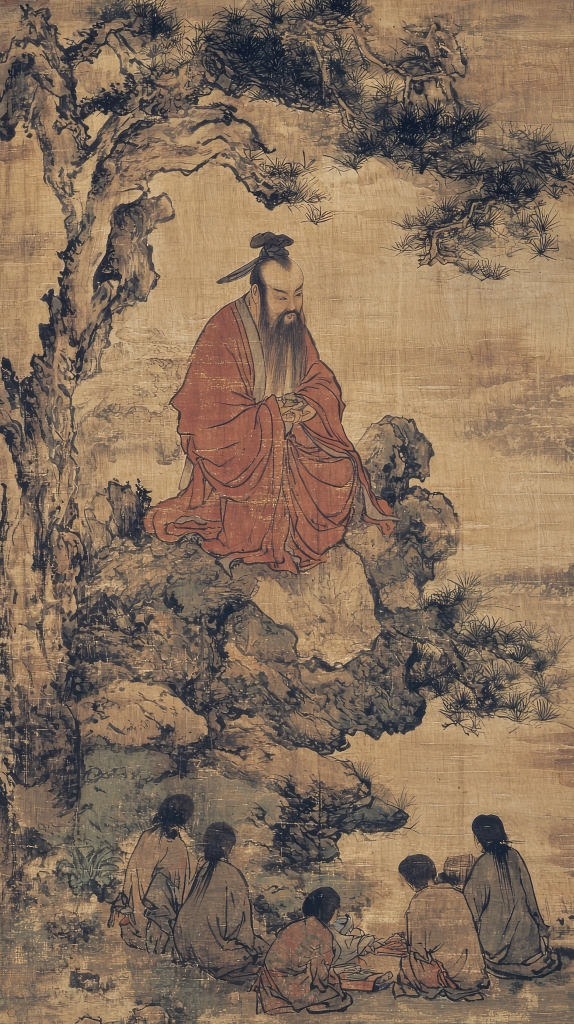
Tea is said to have been discovered nearly 5,000 years ago by the Chinese Emperor Shen Nong, also known as the "Divine Farmer." One day, while boiling water, tea leaves accidentally fell into his pot, creating the first infusion, and with that, a new drink was born.
At that time, the tea people drank as medicine was somewhat similar to what we now know as matcha. The tea leaves were ground into fine powder which was then mixed with water: a bitter concoction praised for its detoxifying and heat regulating properties.
Ancient Chinese texts, like the Shennong Bencao Jing (The Classic of Herbal Medicine), listed tea as a cure for various health issues, such as aiding digestion, reducing fatigue, and detoxifying the body. Tea became an important part of Traditional Chinese Medicine, thought to help balance the body’s yin and yang and boost energy (qi). Green tea, in particular, was used to treat headaches, improve focus, and support digestion.
Since ancient times, tea has been among the “seven delights of the literati”: qin (the guqin zither), qi (go/chess), shu (calligraphy), hua (painting), shi (poetry), jiu (wine), and cha (tea), tea has been revered as a form of culture, a cleansing balm for the mind, and a medicine for self-cultivation.
Tea in Japan
Tea reached Japan in the 8th century and became popular among the religious classes in Japan when Japanese priests and envoys, who were sent to China to study its culture, introduced it to Japan. It was monks who first used it to stay alert during long meditations and matcha became central to Zen Buddhist practices, valued for its calming yet energizing effects.
“Tea is the most excellent medicine for preserving health and prolonging life. Where valleys produce it, that land is divine. When people gather it, those people enjoy long life.” - wrote the zen monk, Eisai and described tea described as an “immortal medicine” for longevity and agelessness.
Key Compounds in Green Tea
Catechin
Studies have linked the health benefits of green tea as one of many small ways to help fight the risk of cancer. This is because catechin, a natural antioxidant found in green tea, is proven to suppress reactive oxygen species (ROS), which has been closely associated with cancer in the medical research. Studies on ROS show that when it accumulates in the body it is likely because of poor habits, sleeping deprivation, lack of exercise, and exposure to pollution and chemicals, which all stem from an undesirable and stressful lifestyle.
Catechin in green tea can counterattack ROS with its antioxidative effect, which simply prevents the body from becoming too acidic. Furthermore, in Japan, demographic information shows a correlation between the region where high quality green tea is cultivated, harvested and consumed and the country’s lowest death rate of cancer.
Catechin is also claimed to prevent bacterial and viral infections. As an anti-bacterial agent, catechin protects the human body from bacteria such as cholera and salmonella, as well as being effective in fighting the flu virus—so gargling with green tea is highly recommended during the flu season. There is no need to make a fresh pot of green tea for this. Reusing already steeped green tea will be enough.
As a side note, in Japan, green tea is usually served during or after the meal at sushi restaurants. Why is this? While sushi and green tea pair wonderfully from a culinary aspect, adding green tea to your meal of raw fish has the benefit of protecting the body from the chance of food poisoning. It also cleans the mouth so sipping green tea between each piece of sushi prepares the palate for the next set of flavors.


Caffeine
Caffeine, a substance that excites the nervous system, is not unique to coffee, and can also can be found naturally in green tea. Steeping a strong cup of green tea can be an excellent substitute for your morning pick-me-up.
Also, caffeine combined with catechin is known to help battle unwanted fat; for that reason, drinking green tea with or after each meal is highly recommended.
L-Theanine
An amino acid that promotes relaxation without causing drowsiness. L-theanine is known for its calming effects balancing out the stimulating effects of caffeine. It may improve focus and reduce stress.
Minerals
Green tea contains several essential minerals that contribute to its health benefits. The most common minerals found in green tea are potassium, magnesium, calcium, manganese, iron, phosphorus and zinc. Minerals in tea contribute to a range of health benefits, including enhanced immune functions, better bone health, improved muscle and nerve functions, and antioxidant protection.


Vitamins
In fact there are plenty! Green tea is packed with Vitamins A, B, and C. Of those three, Vitamin C found naturally in green tea is especially known to be beneficial and important for maintaining both health and beauty.
The amount of Vitamin C found in just 3 cups of green tea is said to be the same as that of one apple. An interesting fact is that green tea retains vitamin C even when brewed with hot water. Unlike other forms of vitamin C, which can break down and lose their effectiveness when exposed to heat, the catechins in green tea help stabilize and protect the vitamin C during the brewing process.
Drinking green tea not only helps your skin stay young and supple but can also help in preventing the generation of melanin in the body, which can cause age spots and darkening of the skin.

Different teas, different effects
Different types of green tea offer unique health benefits due to their varying levels of antioxidants, catechins, amino acids, and other bioactive compounds. These differences are thanks to the processing and preparation methods of each type.
Matcha

Key Compounds: Highest in L-theanine, catechins, and chlorophyll
Health Benefits:
- Can provide sustained energy without jitters (caffeine + L-theanine)
- Rich in antioxidants
- May help to detoxify the body due to its high chlorophyll content
- May support brain functions and help with relaxation and the reduction of stress
Best for: Focus, relaxation, high antioxidant intake, and detox
Gyokuro

Key Compounds: High in L-theanine, umami flavor, caffeine
Health Benefits:
- May help with relaxation and mental clarity (high L-theanine)
- May reduce stress and improve cognitive functions
- Can support heart health with its high polyphenol content
- Lower in bitterness, making it gentler on digestion
Best for: Stress relief, deep focus, and umami flavor lovers
Sencha

Key Compounds: High in catechins (EGCG), vitamin C, caffeine
Health Benefits:
- May boost metabolism and support weight loss
- May enhance brain functions and overall focus (due to caffeine + L-theanine)
- Can strengthen the immune system via vitamin C and antioxidants
- Can support heart health by lowering bad cholesterol (LDL)
Best for: Daily drinking, energy boost, and metabolism support
Kukicha

Key Compounds: High in polyphenols, high calcium content, low in caffeine
Health Benefits:
- Provides a calming effect, reducing stress and anxiety
- Aids in digestion and helps soothe the stomach
- Hydrates and provides a mild detox effect
Best for: Relaxation and stress reduction, heart health and digestion
Hojicha

Key Compounds: Lower in caffeine, high in theanine and polyphenols
Health Benefits:
- Low in caffeine, making it ideal for evening consumption
- May help with relaxation and better sleep (due to roasting process reducing caffeine)
- Rich in antioxidants, aiding in anti-aging and heart health
- Gentle on the stomach; may reduce the risk of acid reflux
Best for: Caffeine-sensitive individuals, relaxation, and digestion
Gemnaicha

Key Compounds: Moderate catechins, low caffeine, rich in GABA*
Health Benefits:
- May support digestion and gut health (via its brown rice content)
- May provide a calming effect, reducing stress and anxiety
- Contains balanced antioxidants while being gentle on the stomach
- Helps with hydration and may help with mild detoxification
Best for: Gut health, hydration
* GABA (γ-aminobutyric acid) is an amino acid and a major neurotransmitter of the human central nervous system. Gamma-aminobutyric acid (GABA) could act as a blood pressure controller. Its daily consumption might help burn fat and have a beneficial effect on blood pressure or stress issues.
Improve YOUR DAILY LIFE with green tea
Because of the many natural benefits found in drinking tea, there are many times when adding a cup to your routine can help you perform better or even relax better.
Energy boost
A strong cup of high quality green tea chosen from a tea variety known for containing high amounts of caffeine is a great way to start the day or stay alert and focused! High quality green teas naturally contain a higher dose of caffeine.
Recommendations:

Japanese green tea with a full-bodied, mellow taste
➢ 100 g Sazen BAG > $21.60

ORGANIC Japanese green tea with a well balanced flavour
➢ 100 g Sazen BAG > $17.28
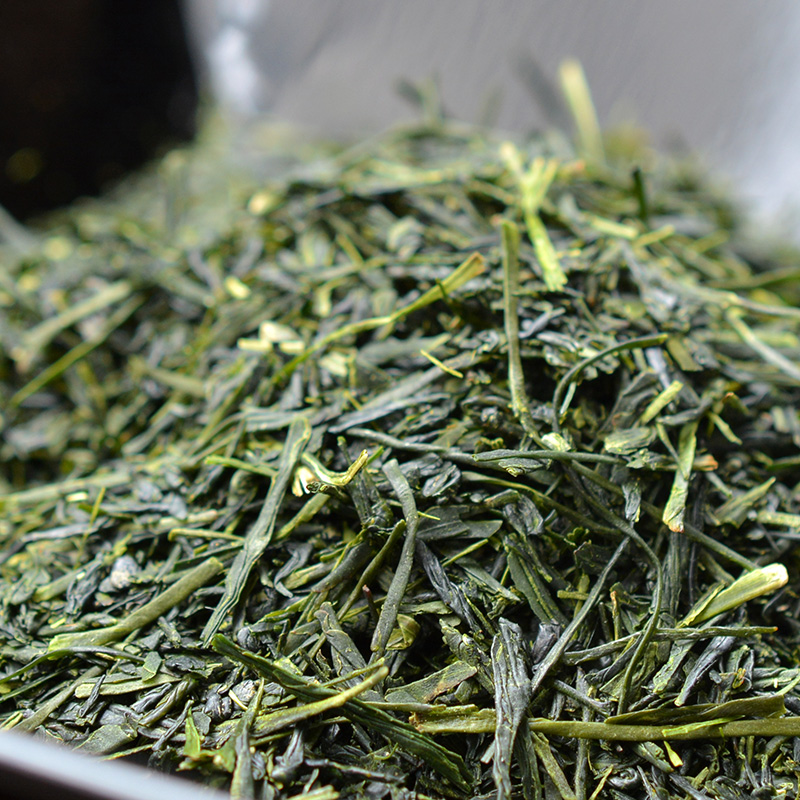
Lively refreshing green tea from Uji, Kyoto, Japan
➢ 100 g Sazen BAG > $12.96
Natural Sleeping Aid
Drinking caffeine in the evening may influence sleep quality. However some teas contain a lower amount of caffeine paired with substances that have a calming effect. Due to the processing, hojicha contains significantly less caffeine than other green teas making it a great choice for a soothing and comforting evening drink.
Recommendations:

Infrared roasted first flush green tea stems with a very fine aroma
➢ 80 g Sazen BAG > $10.80
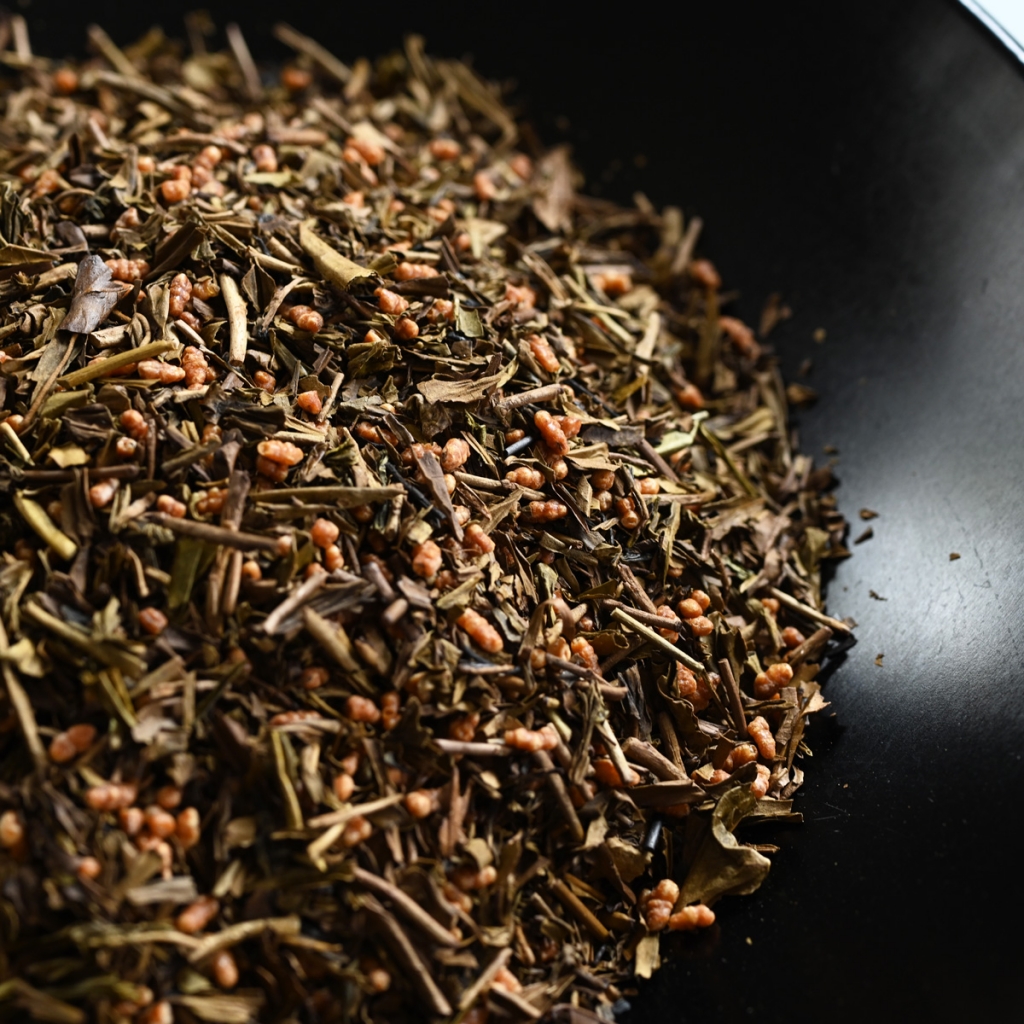
Roasted green tea blended with roasted brown rice from Shiga Prefecture
➢ 100 g Sazen BAG > $6.48

Roasted and smoked green tea
➢ 60 g Sazen BAG > $4.97
Digestion Aid
In the 16th century, Li Shinzhen wrote the following in his Compendium of Materia Medica, an encyclopedic gathering of medicine: “Tea is bitter and sweet in taste, slightly cold in nature, and non-toxic. If consumed for a long time, it causes people to become thin. It also removes fat from people and prevents sleep.” Scientific studies also have shown that tea has qualities that can help with digestion. The caffeine and antioxidants in green tea help stimulate the digestive system. They can promote the production of gastric juices, which aids in breaking down food. Green tea also contains polyphenols that may have a positive effect on gut bacteria, helping to maintain a healthy gut microbiome and improve overall digestion. Catechins, particularly epigallocatechin gallate (EGCG), have been shown to increase fat oxidation. Green tea can help to boost metabolism, which may assist in burning fat more efficiently.
Recommendations:
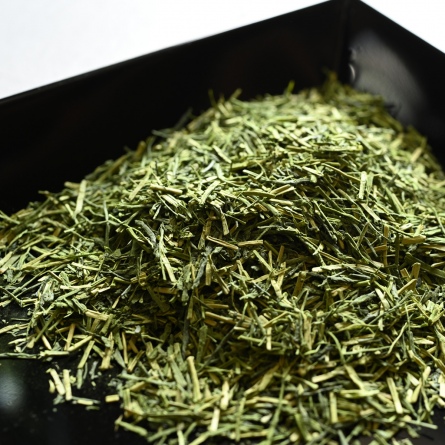
Green tea from the Uji tea fields blended with ceremonial-grade Uji matcha
➢ 100 g Sazen BAG > $12.96
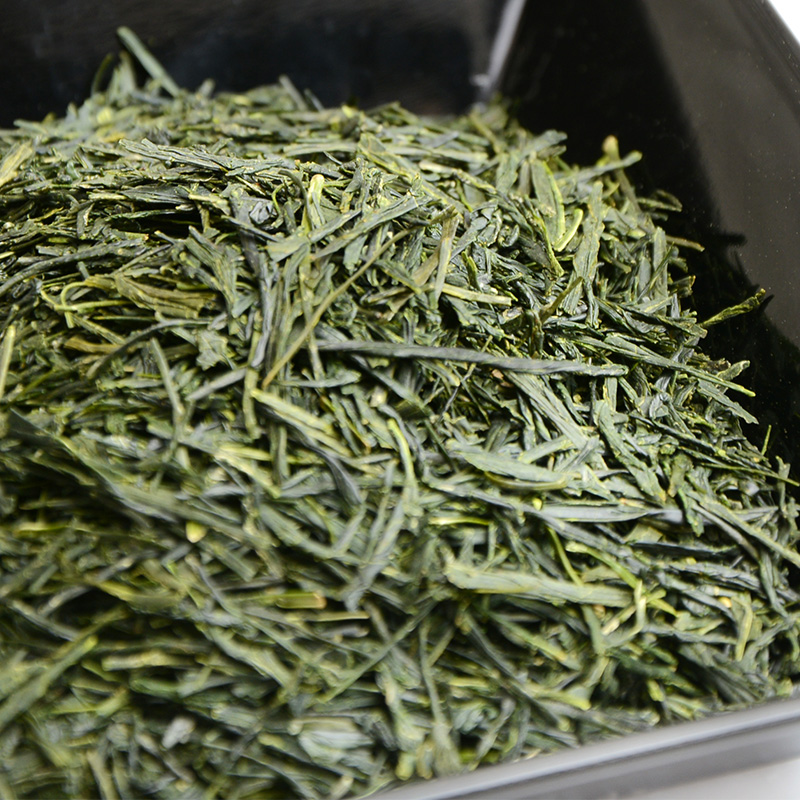
"Asatsuyu" single origin green tea with a roasted sweet potato aroma
➢ 100 g Sazen BAG > $12.96

Green tea blended with roasted brown rice from Kyoto, Japan
➢ 100 g Sazen BAG > $8.64
Sports Quencher
Studies have found that caffeine can have a positive effect on stimulating muscles and increasing temporary performance. While many athletes choose to consume caffeine through energy drinks high in sugar and artificial sweeteners, green tea like gyokuro can offer a natural alternative. We suggest drinking a strong cup of gyokuro 20–30 minutes before exercising followed by another cup 30 minutes after you start.
Recommendation:

Green tea from Kyōtanabe, Japan with a gentle, silky taste
➢ 50 g Sazen BAG > $30.24
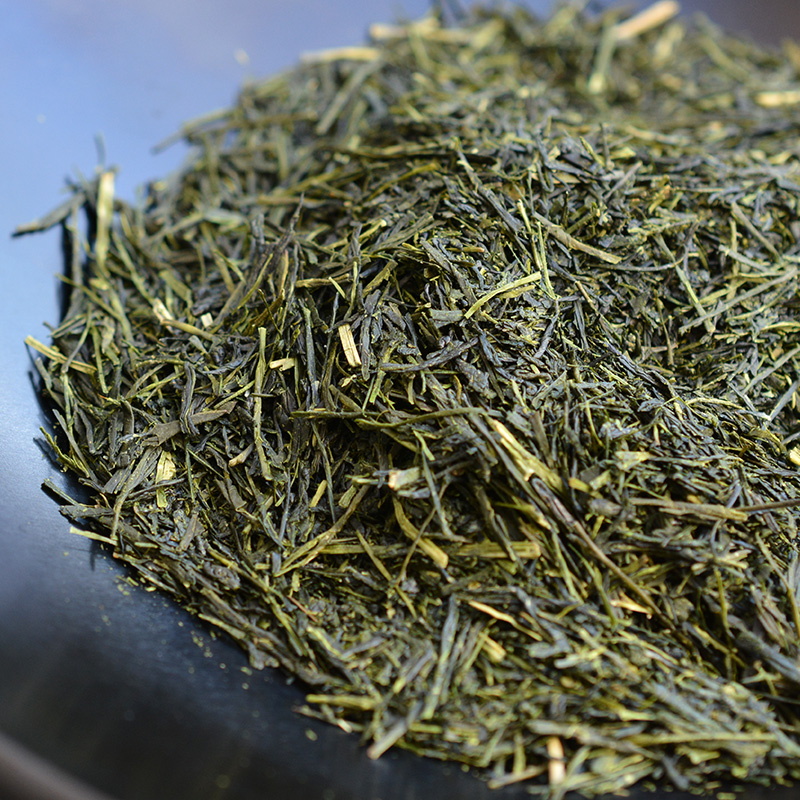
Refreshing green tea with a mild and rich taste
➢ 100 g Sazen BAG > $27.00
Reduce Unwanted Hangovers and Fatigue
If you find yourself waking up in the morning to an unwanted hangover or an unexpected bout of fatigue, drinking a strong cup of sencha is a gentle way to help revitalize your system due to its high caffeine content and general health properties found in all high quality green tea. Due to the strength of this tea, we suggest first consuming some food before drinking the tea if you have a weak stomach.
Recommendation:

Japanese green tea with a refreshing mellow taste
➢ 100 g Sazen BAG > $27.00
Lively refreshing green tea from Uji, Kyoto, Japan
➢ 100 g Sazen BAG > $27.00

Japanese green tea with a refreshing rich flavor
➢ 100 g Sazen BAG > $27.00

To truly experience the full range of health benefits that green tea has to offer, it’s essential to choose high-quality teas that are carefully sourced and expertly processed. The potency of green tea’s health benefits largely depends on the quality of the leaves and the methods used during cultivation and harvesting. Opting for premium tea ensures that you’re getting the highest concentration of antioxidants, catechins, and other bioactive compounds, which are the key elements behind green tea’s positive effects on health.
At Sazen Tea, we recognize the value of quality and freshness. That’s why all of our tea varieties are sourced from trusted farmers in Japan who grow their tea with meticulous care and skill. The teas we offer come directly from renowned producers and are freshly packed as soon as we receive an order. Please visit our selection of high quality teas shipped directly from Japan.
References:
- 桑原 秀樹:増補改訂 宇治抹茶問屋4代目が教える お抹茶のすべて: 歴史、文化、生産、品種から味わい方まで、2019. ISBN978-4-416-61986-5
- 日本茶インストラクターテキスト
- We love Ujicha! Kyoto Prefecture Tea Manufacturing Conference, Ujicha Cooperative, 2014.
- Fifth Edition Food Standard Composition Table (Science and Technology Agency) Japan
- Historical Park of Tea and Uji Town, 203-1 Maruyama, Todo, Uji City, Kyoto, 611-0013